
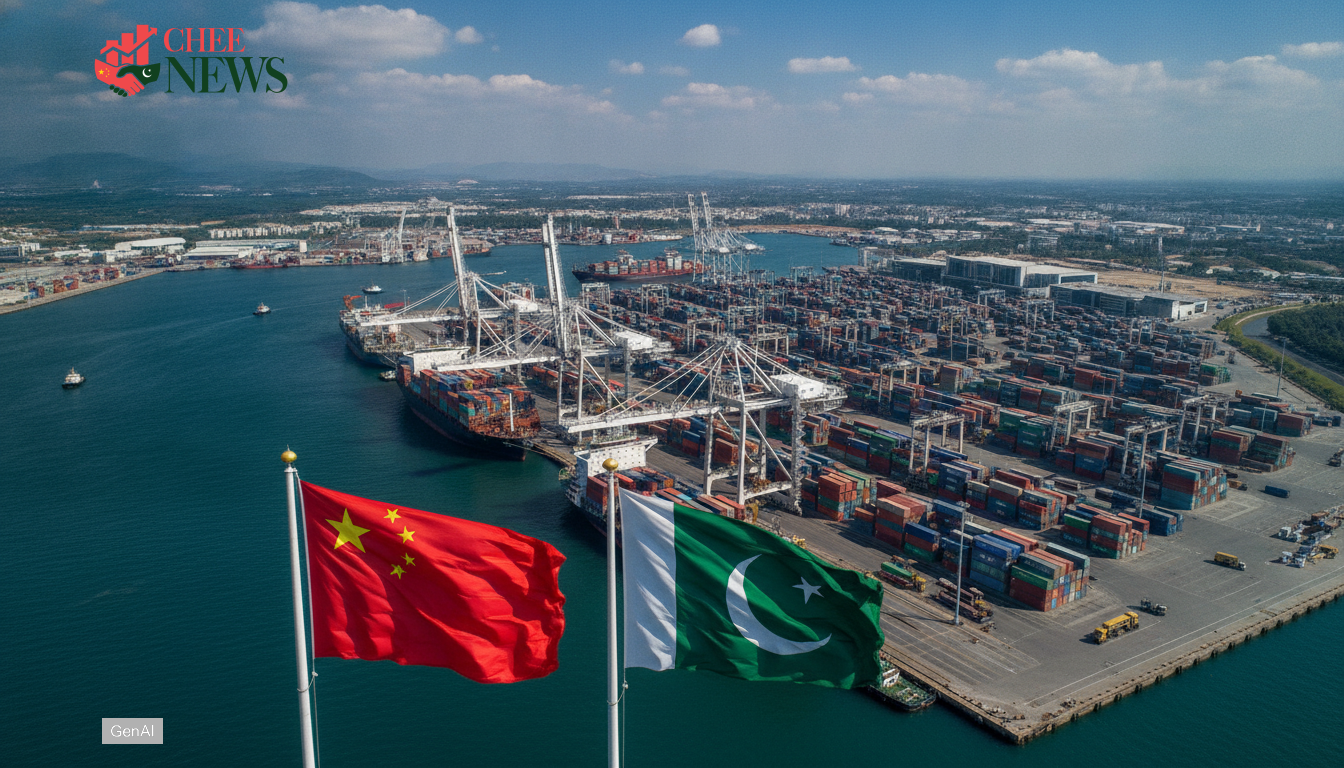
China-Pakistan economy and policy coordination
Pakistan’s fiscal managers appear to be increasingly coordinating energy and financing decisions with Beijing’s regional priorities, especially as oil-linked supply chains reshape capital flows. Because import fuel costs can drive current account swings, planners tend to look for longer-term supply and infrastructure arrangements that could reduce price shocks. In ministries and boardrooms, the China-Pakistan economy is often treated as a package where energy security, transport corridors, and balance-of-payments stability are negotiated together. According to available reports by sources like Economist.com, China’s leverage in energy markets might offer negotiating advantages, which can influence how partners structure projects and payments. These choices can tighten the link between macro policy, debt planning, and corridor execution, particularly around decisions tied to CPEC planning cycles.
Investment, trade terms, and payment channels
Negotiators have focused on the plumbing of cross-border commerce, including settlement channels, logistics, and the terms that determine which firms capture margins. Pakistan’s central bank and trade bodies have examined currency and clearing mechanisms tied to corridor activity, a theme covered in CPEC Project Updates: Renminbi Clearing and Trade Push. A related example is Argentina’s China Currency Swap Extended Amid External Pressures, which illustrates how structured facilities can support partners under external constraints. Regional precedents matter because swap lines and liquidity backstops can, in general, reduce immediate pressure on dollar reserves when import demand rises. For Pakistan’s growth strategy, the test is whether this architecture lowers trade finance costs without adding fiscal liabilities that are not transparent.
Industrial impact and local value addition
Factory groups and exporters typically judge deals less by headline commitments and more by whether they alter input costs, credit access, and delivery times. Chinese investment is most visible in energy, ports, and transport, but the decisive issue is how those assets change competitiveness for textiles, engineering goods, and agribusiness in the China-Pakistan economy. Coverage in China-Pakistan trade: rail links, funding shifts, transfer highlights how contract structure can influence technology transfer and vendor scaling. For firms reliant on imported fuel and machinery, improved logistics can lower unit costs, yet financing terms can raise costs if repayments are front-loaded in foreign currency. Procurement rules also matter: local suppliers want clearer qualification pathways to participate in large projects.
Energy planning and future growth strategy
Policy planners increasingly treat energy, industry, and external accounts as one system rather than separate files, as analysts commonly argue. China’s domestic planning is sometimes used as a reference point for sequencing reforms, and the South China Morning Post examined China’s five-year road map for the power sector. A workable strategy may pair power sector reliability with export expansion, because added generation supports growth only if firms can sell competitively abroad and repatriate earnings. In Pakistan, reforms are often judged through outcomes such as lower line losses and fewer outages, which can affect production costs and tax receipts. For the China-Pakistan economy, the next stage is likely to be measured by productivity gains, not only new assets in hubs such as Gwadar.
Risks, governance, and measurable outcomes
The immediate risk is financing discipline, because debt service profiles can collide with currency weakness and high import bills, a concern frequently raised by market participants. The opportunity is that better infrastructure and steadier energy can expand the exportable base, potentially giving fiscal authorities more room to collect revenue from growth rather than repeated emergency measures. For the China-Pakistan economy, credibility depends on publishing clear project cash-flow assumptions, enforcing competitive procurement where possible, and ring-fencing contingent liabilities so they do not surprise the budget. Oversight also matters for local employment and supplier participation, since public support can erode when benefits are opaque. A durable approach would link corridor milestones to measurable outcomes such as reduced logistics time and higher export volumes while keeping repayment schedules aligned with realistic foreign-exchange earnings by the next budget cycle.

