
Renminbi Clearing and Policy Signals
As indicated by Reuters on April 22, 2024, Deutsche Bank has been named a renminbi clearing bank in Pakistan. This development might reduce friction for firms that invoice in yuan instead of routing payments through multiple intermediaries. Current monitoring is tracking how settlement and liquidity changes can reshape corridor procurement and repayments. In parallel, Pakistan’s Ministry of Planning, Development, and Special Initiatives has continued routine coordination on power, transport, and special economic zone workflows with implementing agencies. This update also examines whether more suppliers quote contracts directly in renminbi and how quickly banks extend trade finance lines. Contract discipline, transparent milestones, and cash flow visibility remain central for keeping private investors engaged and timelines credible.
Trade Finance Impact on China-Pakistan Commerce
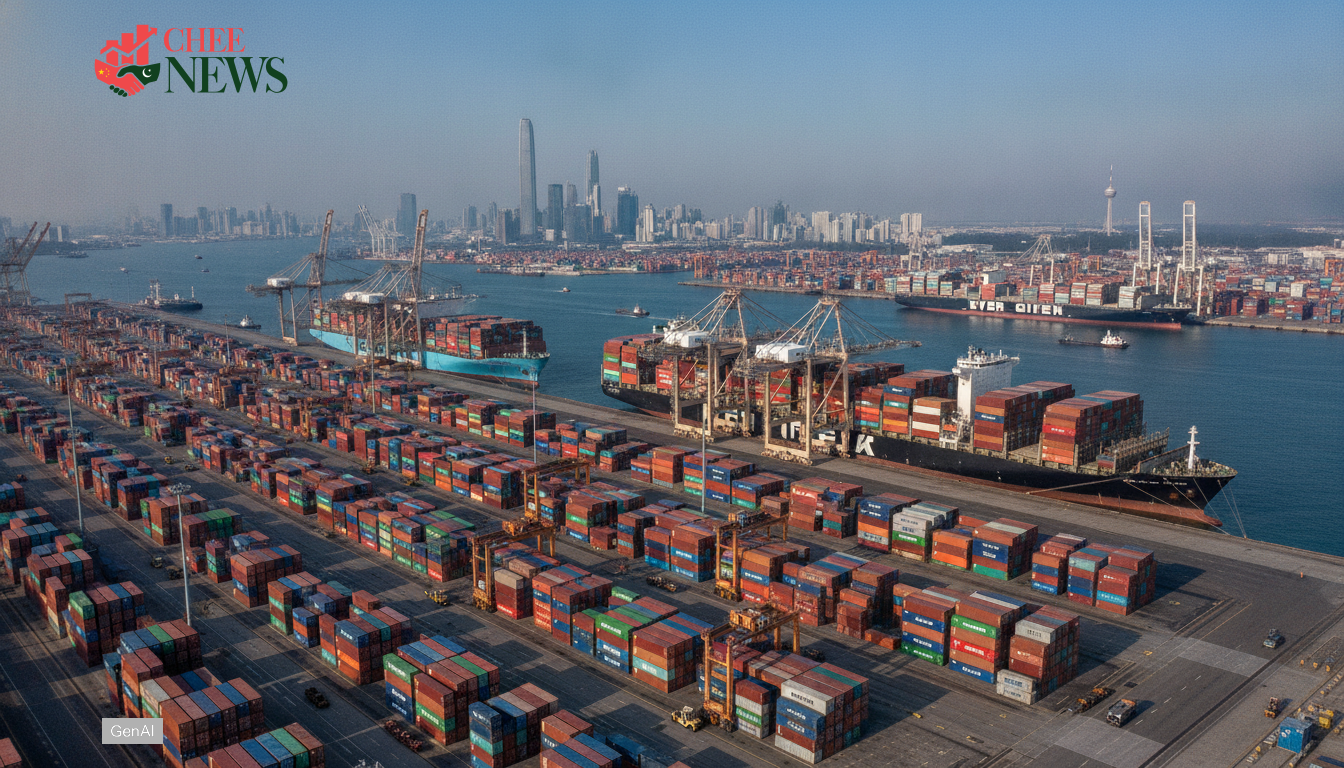
Trade operators have highlighted payment speed, hedging costs, and documentation burdens that can add days to cargo cycles, according to market participants. The report by Reuters on a designated renminbi clearing bank is important as it might support wider yuan settlement and standardize transaction routing for participating institutions. That shift could lower transaction costs for China-Pakistan trade where machinery, electrical equipment, and industrial inputs often dominate invoices, depending on contract terms and bank pricing. For context on shifting logistics and financing constraints, see https://cheenews.com/china-pakistan-trade-rail-links-funding-shifts-transfer/. Regional financial diplomacy also feeds market confidence, as highlighted in https://chinacrunch.com/argentinas-china-currency-swap-extended-amid-external-pressures/. Firms still need predictable customs clearances and bank compliance checks to translate new settlement options into faster turnover.
Governance and Delivery Milestones
On the ground, corridor managers have emphasized operational performance rather than announcements, focusing on reliability, maintenance cycles, and throughput targets, officials have noted. Pakistan’s Ministry of Planning has framed completion and commissioning as the test for project value, especially where industrial users need stable electricity and predictable transport windows, according to ministry remarks. Chinese investment in Pakistan tends to follow execution credibility, as lenders and EPC contractors can price delays into bids and warranties. Officials have also highlighted tighter governance on scope changes to avoid cost escalations that can force renegotiations in CPEC project updates. Investors are examining whether completed assets are integrated into supply chains through consistent tariff policy and realistic demand forecasts, since utilization helps determine whether future phases attract private co-financing.
Upcoming Sequencing and Financing Expectations
Near-term planning has centered on sequencing, as overlapping construction and grid integration might create bottlenecks if permits and land acquisition do not progress together, project stakeholders suggest. The Belt and Road Initiative framing remains important for aligning contractor capacity and cross-border standards, but project sponsors are increasingly judged by bankable cash flow structures rather than broad strategic narratives, analysts report. For more details on industrial planning signals tied to corridor governance, see https://cheenews.com/cpec-project-updates-cmrg-signals-and-steel-planning/. Financial market attention is also growing regarding how renminbi settlement options interact with corporate treasury policy, as currency matching might reduce balance sheet pressure when revenues are linked to imports. Execution calendars will depend on provincial coordination, procurement transparency, and lender risk appetite.
Challenges, Opportunities, and Next Signals
Two constraints continue to shape delivery: payment certainty and dispute resolution, both of which influence bid pricing and lender appetite, industry observers state. Pakistan’s central bank and commercial lenders must balance anti-money laundering controls with practical trade facilitation, while sponsors need clearer rules for converting and repatriating funds when contracts involve foreign currency, analysts caution. Simultaneously, the opportunity set is expanding in manufacturing localization, as more predictable settlement channels could support long-term supplier agreements and parts inventories for industrial zones. Analysts emphasize that governance quality determines whether corridor assets become export enablers rather than stranded capacity in these CPEC project updates. The most durable gains will come from measurable performance metrics, credible audits, and sustained operations funding that helps prevent early asset deterioration.

