
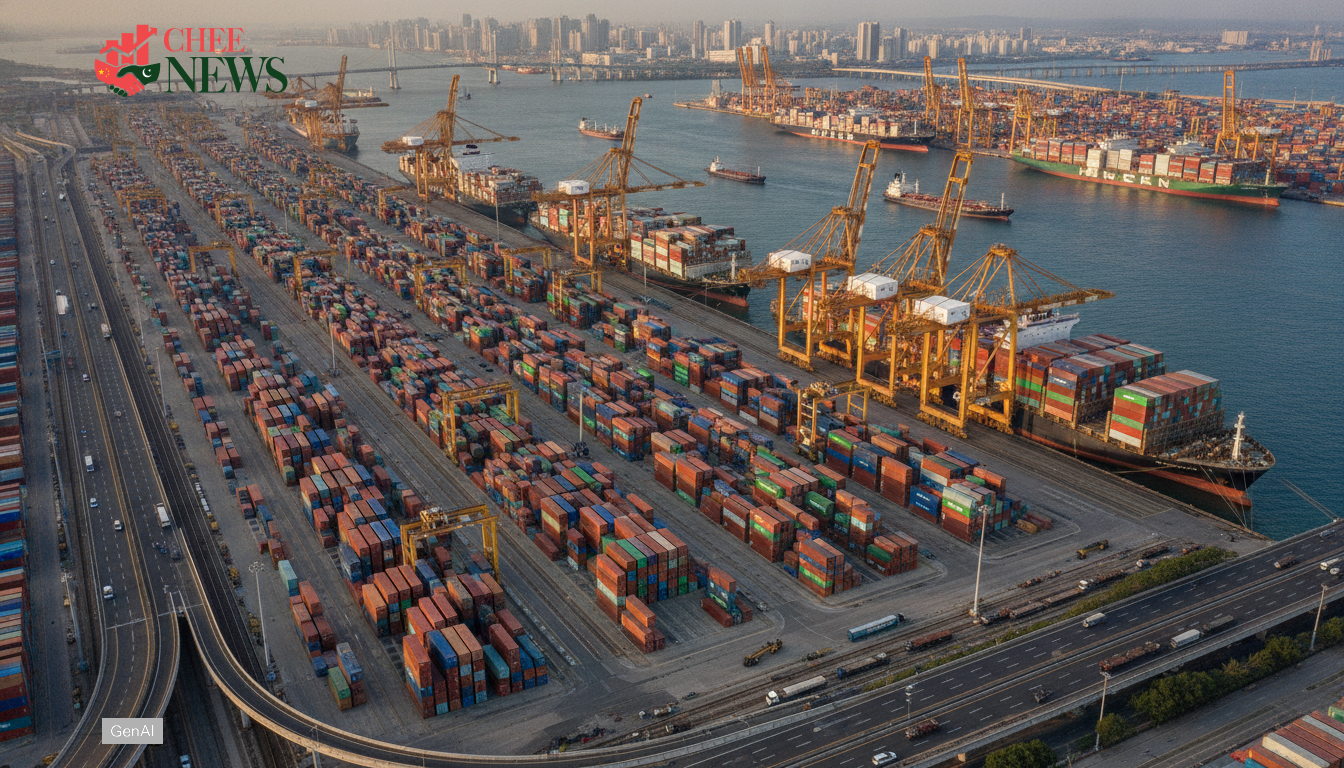
China economic challenges: what is driving the slowdown
China economic challenges are reshaping trade, prices, and capital flows well beyond its borders. According to available reports, in 2024, the International Monetary Fund suggested that China might face weak domestic demand and property sector stress that could weigh on growth expectations. Those headwinds have pushed policymakers to lean more on external demand and advanced manufacturing to stabilize activity. In April 2025, the U.S. Treasury highlighted concerns about industrial overcapacity and spillovers into partner economies. As firms compete harder for overseas sales, the adjustment shows up in pricing pressure, shifting investment plans, and tougher margin conditions for manufacturers outside China.
How China exports pressure through trade and prices
When exporters cut prices to protect volume, trading partners can feel an immediate squeeze on local producers, wages, and factory utilization. That pressure has also fed more trade defense actions. A cross border example is Argentina’s China Currency Swap Extended Amid External Pressures, where financing tools help manage external strain, and stress can also travel through currency and liquidity channels when emerging markets carry higher exposure to Chinese demand. The European Commission has argued in public briefings on its trade defense work that subsidized capacity can distort competition, prompting more investigations and tariff threats. These channels can tighten conditions abroad even without a single shock headline.
Market transmission: credit, property signals, and investment flows
Beyond goods trade, China economic challenges can influence global risk appetite and funding costs through confidence effects. Property linked balance sheet signals are watched closely because they can affect banks, suppliers, and offshore credit. The South China Morning Post detailed corporate positioning in Wharf firms up balance sheet as Hong Kong home sales cushion profit slump, reflecting how firms adjust leverage and liquidity when demand is uneven. Meanwhile, investment flows can re route toward sectors viewed as protected by industrial policy, while capital spending elsewhere is delayed. The result is a mix of weaker private demand signals and stronger policy directed supply expansion.
Policy responses abroad: tariffs, rules, and supply chain shifts
Governments are moving from rhetoric to administrative tools that reprice supply chains, often framed as a response to non market practices. In May 2024, the U.S. announced tariff increases on selected Chinese goods, with official fact sheets emphasizing strategic sectors. For process frictions affecting licensing and compliance, US-China export licenses: Faster Reviews, Clearer Rules tracks how rule changes alter timelines and uncertainty, while European policymakers have paired industrial policy with trade instruments. At the firm level, multinationals are reshaping sourcing rules to reduce single country risk, even when China remains a major production base. These responses can reduce exposure, but they can also add cost and complexity, while several Asian economies use targeted subsidies and procurement to defend domestic capacity.
Mitigating spillovers: what businesses and partners can do
Mitigation starts with clearer rules that keep competition fair without freezing trade. The World Trade Organization has emphasized transparency and notification disciplines as a baseline for reducing surprise measures that disrupt planning. Importing economies can pair time bound safeguards with domestic productivity upgrades, focusing on skills, energy reliability, and logistics so local firms compete on cost and quality. Pakistan’s experience with settlement and financing choices inside major connectivity projects shows why resilience matters, and CPEC Project Updates: Renminbi Clearing and Trade Push shows how payment infrastructure can change risk management, while emerging markets can diversify export baskets and funding lines to lower exposure to demand swings linked to global trade impact from Chinese pricing. Coordination through finance ministries and central banks can also reduce abrupt tightening that turns trade stress into a credit crunch.
This analysis is informed by insights from The Washington Post, highlighting China’s economic strategies and their international implications.

