
Chinese aviation market overview: what is changing
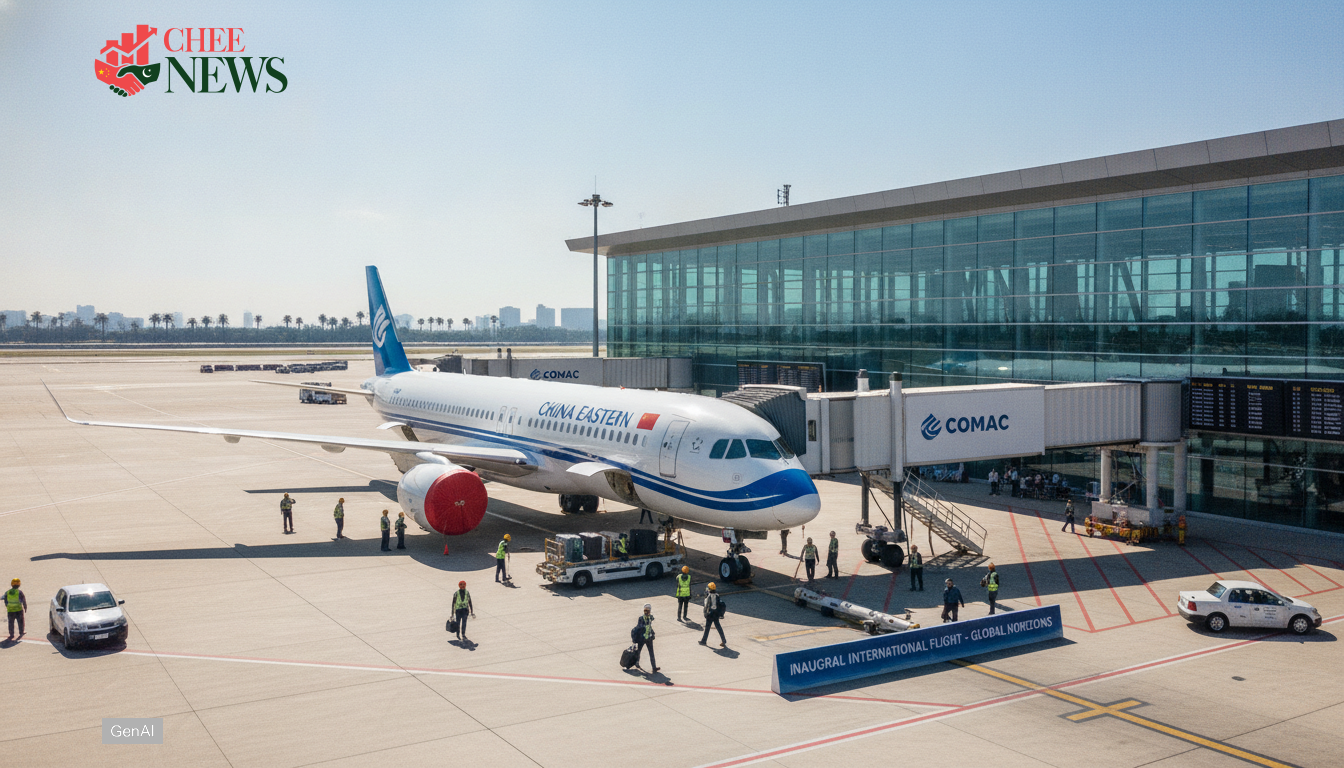
China’s first internationally operated C919 flight is being described as a milestone, but the bigger story is how it could fit into the Chinese aviation market over the next few years. The narrow body segment is where much domestic capacity typically sits, and it is also where airlines make frequent fleet decisions tied to growth, maintenance networks, and financing, according to industry commentary. As reported by Xinhua, the C919’s first international flight may be a step toward wider operations outside the mainland, moving the program from symbolic progress to more observable execution. For regulators and airlines, cross border handling, parts availability, and documentation discipline are widely seen as important factors alongside airframe performance. These requirements help indicate whether China’s commercial aircraft push can scale beyond primarily domestic operations.
Demand, fleet cycles, and the duopoly in the Chinese aviation market
Single aisle jets are commonly treated as the workhorses for route frequency and fleet utilization within the Chinese aviation market, which makes the Airbus A320 family and Boeing 737 family central benchmarks, as reflected in airline fleet disclosures and industry analyses. A credible alternative generally needs to demonstrate dispatch reliability, predictable maintenance, and training readiness across multiple stations, not only at home bases, according to aviation operations practices. Macro conditions also shape fleet timing and capital budgets, and broader context on demand and investment pressures is discussed in China economic challenges: spillovers to world markets. Airlines typically assess total cost of ownership, delivery timing, and support guarantees, so early international rotations can reportedly influence procurement perceptions even before large export orders materialize. In practice, the C919’s international activity is likely just one input among many in long replacement cycles.
Supply chain localization and certification signals
The C919’s reported cross border operation adds scrutiny to the support ecosystem: spare parts logistics, line maintenance procedures, technical records, and the ability to handle disruptions, according to common airline operational requirements. Similar localization logic is visible in other strategic manufacturing pushes, including large scale investment themes covered in China semiconductor investment backs SOI Micro FD-SOI. Those operational details connect to industrial policy goals often discussed in the Chinese aviation market, where localization and supplier maturity are frequently cited as priorities. Certification pathways and continuing airworthiness obligations also matter, because airlines and lessors generally seek clear processes for service bulletins, parts traceability, and reliability reporting. Each successful international turn could strengthen the case that COMAC can meet documentation and compliance expectations commonly applied in global aviation, although broader validation would depend on repeated operations and additional disclosures.
How C919 performance compares with Boeing and Airbus
COMAC is entering a mature competitive field where Boeing and Airbus have decades of fleet data and extensive maintenance and training infrastructure, as widely documented by the manufacturers and airlines. The comparison is not only about fuel burn and payload range, but also about simulator availability, spare parts pooling, and contract terms that reduce operational risk for buyers, according to standard airline evaluation criteria. Domestic scale can help build utilization data faster in the Chinese aviation market, though foreign operators typically look for transparent reliability metrics and proven support responsiveness. Geopolitics can also affect aviation supply chains and technology flows, adding another layer of risk assessment for buyers, as seen in US-China export licenses: Faster Reviews, Clearer Rules. The practical benchmark is whether disruption recovery, maintenance turnaround, and technical support match what incumbent manufacturers provide at comparable airports, which is usually evaluated over sustained operations rather than a single event. These factors shape how quickly the C919 can shift from a national program to a more widely adopted option.
What the first international flight means next for the market
According to available reports, the first international C919 flight may not instantly redraw market share, but it does create a new baseline for evaluating the next phase of China’s aviation sector. Over the near term, expectations are often framed as gradual credibility building, because fleet decisions are conservative and aircraft lifecycles run for years. Future milestones could include repeatable international schedules, stable on time performance, and support maturity across more airports, each of which would tend to reduce perceived risk for airlines and lessors, according to industry practice. Even incremental progress could increase competitive pressure on pricing, delivery slots, and customer support from the incumbent duopoly, though the magnitude would depend on production rates and operational results that have not yet been demonstrated at scale. As China’s airline demand and industrial capacity evolve, observers will watch for signs that domestic programs can convert policy backing into durable operational performance in the Chinese aviation market. That conversion, more than a single debut, is likely to determine longer run competitive impact.

