
China Belt and Road Initiative and Trade Strategy
Launched in 2013, the program has been associated with port upgrades, rail corridors, and industrial zones alongside policy bank lending and construction services. As indicated by available reports, the China Belt and Road Initiative is widely described by officials and researchers as a central platform China uses to expand trade access through overseas infrastructure and financing. The approach is often presented by Chinese officials as a way to strengthen connectivity and stabilize two-way trade and investment flows, especially where logistics bottlenecks raise costs. Commentary on BRI implementation suggests projects are being screened more closely for revenue visibility, customs compatibility, and local regulatory durability, reflecting a more cautious posture after earlier waves of overseas deal-making.
Infrastructure Finance and Corridor Project Selection
Funding structures are commonly reported to combine sovereign-backed support, policy bank loans, and contractor-led delivery, with terms varying by host country debt capacity and political timelines. Recent activity has been described in reporting and analyst commentary as concentrating on transport nodes and industrial parks that connect to established maritime routes and regional rail backbones, with priority often given to projects that can shorten dwell time at ports or reduce border clearance delays. In Pakistan, related scrutiny over routing and compliance is discussed in https://cheenews.com/chinese-investment-in-pakistan-faces-us-transshipment-scrutiny/, and for context on how trade frictions can influence corridor planning, see https://chinacrunch.com/china-drone-tariffs-escalate-us-trade-rift-stakes/. In that context, some observers say corridor project selection under the China Belt and Road Initiative is becoming more tied to throughput forecasts and enforceable operating arrangements than to headline scale.
Ports, Rail, and Supply Chain Effects on Global Trade
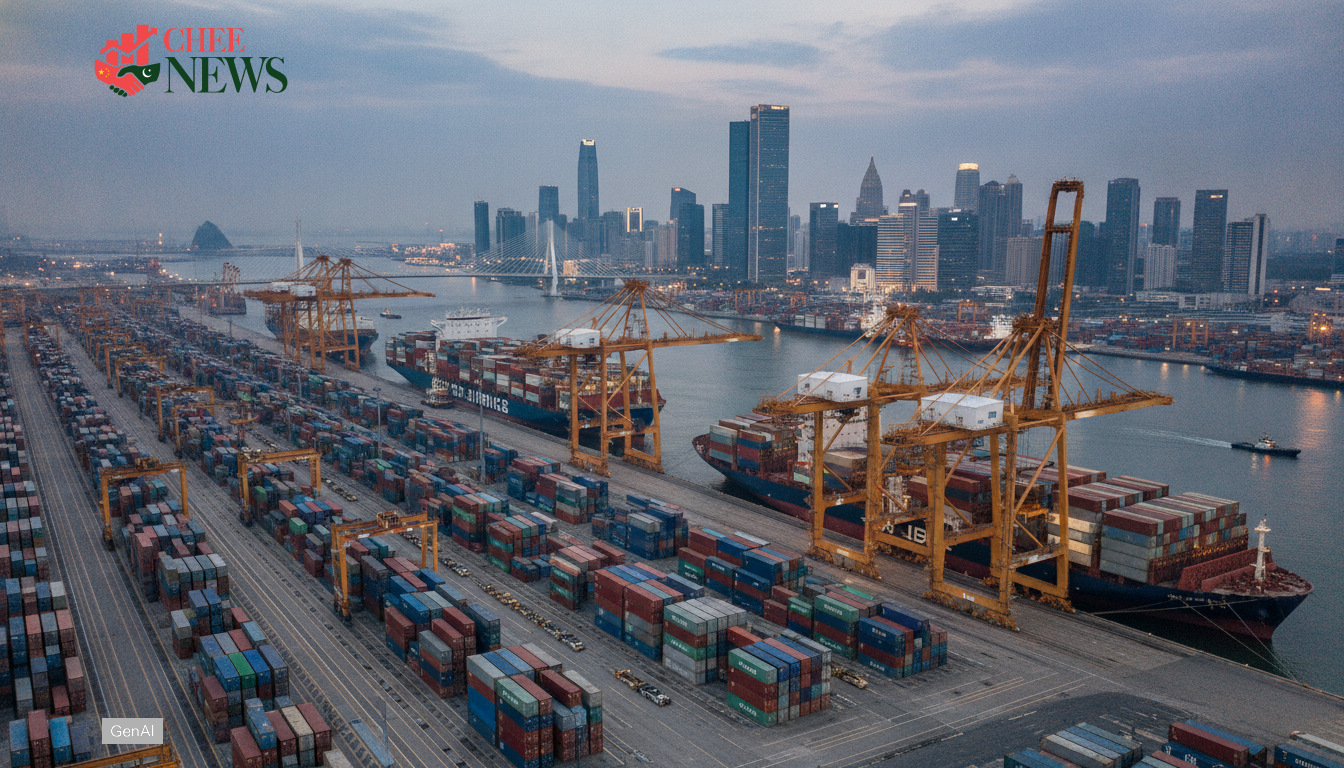
New or upgraded ports, rail links, and logistics parks are reported by analysts as influencing routing choices across Eurasia, the Gulf, and parts of Africa by creating alternative transshipment options and additional inland distribution points, though impacts vary by corridor and local demand. The broader Belt and Road Initiative can also affect procurement because contracts may bundle engineering specifications, rolling stock, cranes, and digital systems that shape standards for future expansions, according to industry reporting and project documentation where available. In technology-enabled logistics, partner markets track spillovers into local industry, as covered in https://cheenews.com/china-pakistan-technology-sector-growth-from-investment/. Analysts, including the World Bank, have argued that connectivity can reduce trade costs when it removes true bottlenecks rather than duplicating capacity. Shippers and manufacturers may respond by rebalancing inventory positioning and building redundancy into supply plans. One commonly cited outcome is sharper competition among regional hubs seeking the same cargo flows.
Partner Nation Oversight, Debt, and Governance Responses
Host governments are reported to react with a mix of acceleration and tighter oversight as they weigh growth targets against debt servicing and domestic politics. In multiple countries, media reports and public records show partners asking for clearer terms on local hiring, subcontracting, environmental review, and tariff treatment for industrial zones, while some renegotiate construction timetables to fit fiscal constraints. In Hong Kong, debates about planning and public finance show how infrastructure priorities can face competing claims, reflected in coverage of an URA operating surplus report. The Belt and Road Initiative has also been linked by analysts and civil society groups to greater attention on governance and transparency in cases where parliaments scrutinize public guarantees and contingent liabilities. Across regions, agreements are sometimes described as increasingly tied to performance targets, audit rights, and more explicit dispute resolution clauses, although practices differ by project and jurisdiction.
What Comes Next for the China Belt and Road Initiative
Many analysts describe the next phase as shifting toward fewer megaproject announcements and more upgrades intended to improve utilization of existing assets, including port digitization, rail signaling, and cross-border customs integration. The China Belt and Road Initiative label will likely remain a diplomatic umbrella, but negotiations are often reported to be becoming more technical, with performance benchmarks and risk sharing defined earlier. Policymakers have also signaled interest in steering capital toward energy transition-related assets where cash flows may be easier to model, while keeping industrial parks central to export-oriented employment plans, according to public policy statements and research commentary. China’s Ministry of Finance has emphasized preventing hidden debt risks in overseas cooperation in official communications, which observers say adds pressure for stronger due diligence and monitoring. Competitive bidding dynamics are also widely expected to intensify, with bids increasingly framed around lifecycle costs, maintenance capability, and local workforce training commitments.

