
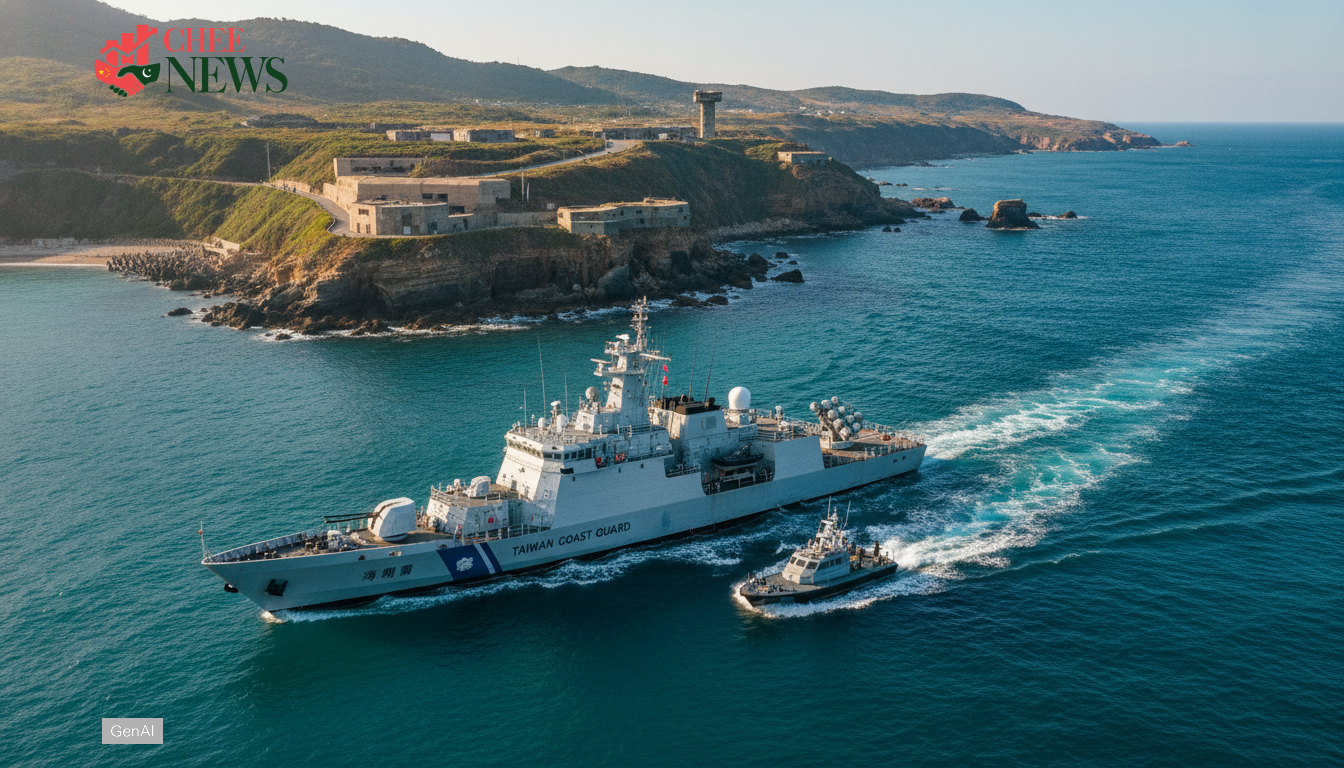
Taiwan China Coast Guard Standoff: Why It Is Intensifying
Taiwan is moving to harden its front line at sea by giving its coast guard a more combat-ready posture and tighter coordination with the military. In this shift, policymakers are treating maritime confrontations less as routine law enforcement and more as recurring security contingencies in the Taiwan Strait. According to a report by the Wall Street Journal, Taiwan is emphasizing training, equipment integration, and updated rules designed for persistent gray-zone pressure. Officials say the goal is to respond quickly while limiting escalation risks and reducing the chance of accidents close to sensitive waters.
How Taiwan Is Reworking Rules, Training, and Equipment
Taiwanese planners are formalizing how patrol crews, command centers, and naval units hand off incidents and share situational awareness during tense encounters. In the taiwan china coast guard standoff, the Taiwan coast guard is being positioned to stay in contact with intruding vessels longer, document conduct, and maintain a visible presence that supports deterrence without immediately deploying naval firepower. Officials want a clear chain of authority over warnings, maneuvering, and potential boarding actions. A related view of operational resilience and data systems, as discussed in Cybersecurity in Hong Kong universities after BU breach, underscores the importance of hardened communications during sustained operations.
The operational challenge is also financial and logistical. Sustained deployments require predictable maintenance cycles, spare parts availability, and trained crews who can rotate without degrading readiness. Those constraints can matter as much as ship numbers, because prolonged maritime encounters can stretch for hours or repeat across multiple days. Analysts also watch macro conditions that influence public spending and procurement capacity, as discussed in China economic challenges: spillovers to world markets. Taiwan’s policy shift aims to make routine presence more durable, not just more assertive.
China Coast Guard Pressure in the Taiwan Strait
Beijing has long used layered maritime forces to apply pressure while keeping confrontation below the threshold of open conflict, and the china coast guard is a central instrument in that approach, as reported by the Wall Street Journal. The report noted that these operations can complicate decision making for Taipei because encounters may shift quickly from harassment to collision risk. This Taiwan Strait pattern also raises the costs of constant deployment for Taiwan, including fuel, maintenance, and crew fatigue. Rather than matching every move with naval escalation, Taiwan’s objective is to counter gray-zone tactics with proportional responses and better endurance while preserving room for de-escalation.
Regional and International Reactions to Taiwan’s Moves
Taipei’s approach is being watched by partners that care about navigation and regional stability, even when they avoid taking positions on sovereignty questions. As described by the Wall Street Journal, Taiwan’s effort attempts to close gaps that arise when non-military units face sustained pressure from larger state forces. A key concern among diplomats in Taipei is that a coast guard encounter could produce a fast-moving incident before political leaders can intervene. Regional officials often point to crisis communication and rehearsed procedures, similar to large-scale preparedness exercises such as Hong Kong holds first large-scale drill at revamped Huanggang border crossing, as tools that reduce miscalculation.
What Comes Next for the Taiwan China Coast Guard Standoff
For the next phase of cross-strait friction, the operational question is whether strengthened coast guard capabilities stabilize encounters or encourage more aggressive probing. The Wall Street Journal framed Taiwan’s strategy as building a credible, measured response so daily enforcement does not collapse into military crisis management. Future incidents will test whether clearer rules of engagement, better surveillance, and closer interagency coordination can reduce collision risk and prevent opportunistic escalation. The political environment will still shape behavior at sea, but Taiwan is betting that disciplined restraint and sustained readiness will shift the risk calculus in the taiwan china coast guard standoff.

