
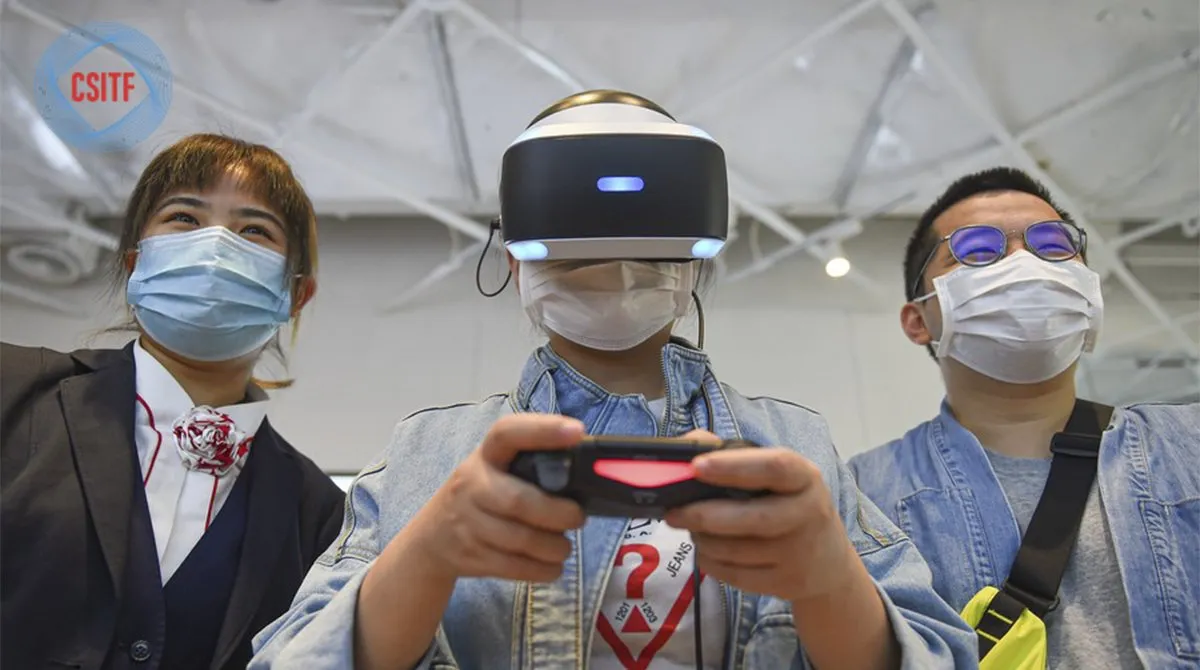
How the world’s largest gaming market balances growth with control.
The Rise of a Giant
China is home to the world’s largest gaming population, with hundreds of millions of players spanning mobile, PC, and console platforms. Online games became integral to daily life, blending entertainment, socializing, and commerce. Titles like Honor of Kings and PUBG Mobile dominate charts, while companies like Tencent and NetEase rank among top global publishers. Gaming evolved from pastime into pillar of digital economy.
Mobile First Revolution
Unlike Western markets where consoles long dominated, China leapfrogged into mobile gaming. Cheap smartphones, widespread internet, and app ecosystems fueled explosive growth. Mobile games became accessible to rural youth and urban commuters alike. Monetization through in-app purchases and cosmetics generated massive revenues, propelling Chinese firms into global top tier.
Government Regulation
Success attracted scrutiny. Officials worried about addiction, youth health, and ideological content. In 2018, regulators froze approvals of new games for months, causing industry shock. In 2021, strict limits capped under-18s to just three gaming hours per week. Content guidelines banned themes deemed violent, superstitious, or politically sensitive. Companies adapted with “anti-addiction systems,” real-name verification, and adjusted storylines. Regulation remains defining feature of industry.
Innovation in Play
Despite constraints, Chinese developers innovate. Tencent’s Honor of Kings refined multiplayer online battle arena (MOBA) mechanics, while miHoYo’s Genshin Impact became global sensation with open-world gameplay and anime-inspired aesthetics. These successes highlight ability of Chinese studios to compete with and surpass global peers in creativity and polish. Cloud gaming, AR, and VR experiments further push boundaries.
Global Expansion
Chinese firms invest aggressively abroad. Tencent holds stakes in Riot Games, Epic Games, and Supercell, while NetEase builds studios in North America and Japan. Genshin Impact grossed billions globally, while mobile titles dominate app store charts worldwide. Expansion diversifies revenue, offsets domestic regulation, and positions Chinese companies as global leaders.
Cultural Export and Soft Power
Games also serve as cultural exports. Characters, narratives, and aesthetics introduce global players to Chinese mythology, landscapes, and music. Partnerships with esports leagues make Chinese titles part of international competitions. Soft power emerges not through government campaigns but through immersive entertainment enjoyed across borders.
Challenges Ahead
The industry faces multiple challenges. Regulation constrains growth at home. International expansion encounters geopolitical barriers, with some governments wary of Chinese ownership in gaming firms. Competition intensifies as Western and Korean studios respond with their own innovations. Sustainability questions also arise: can revenue models dependent on microtransactions maintain long-term appeal.
Balancing Control and Creativity
China’s gaming industry stands at crossroads between creativity and control. Regulators prioritize social stability, while developers push for innovation and global expansion. Success depends on striking balance that satisfies domestic rules while remaining competitive abroad. The tension defines industry’s trajectory in coming decade.
Conclusion: Beyond Play
China’s gaming industry is more than entertainment. It is an economic powerhouse, a cultural ambassador, and a regulatory experiment. Its evolution reflects broader themes of China’s digital economy: innovation flourishing under constraints, global ambitions tempered by political oversight. Whether through esports arenas or global app stores, Chinese games ensure that play is now part of power.

