
As the Middle East continues to face escalating instability, global attention is increasingly turning toward alternative security structures that could help manage regional tensions in the absence of effective consensus through traditional Western led frameworks. With ceasefires repeatedly collapsing and diplomatic negotiations struggling to gain traction, questions are being raised about whether existing global institutions are still capable of addressing fast evolving security crises in strategic regions such as the Gulf and broader West Asia.
The situation has been further complicated by ongoing conflict dynamics involving the United States, Israel and Iran, which have placed additional pressure on international organisations tasked with maintaining peace and stability. The war related tensions have also contributed to uncertainty within transatlantic alliances, particularly as debates intensify over the long term cohesion and strategic direction of NATO under shifting political leadership in Washington. These developments have created space for alternative diplomatic models to gain renewed relevance in global security discussions.
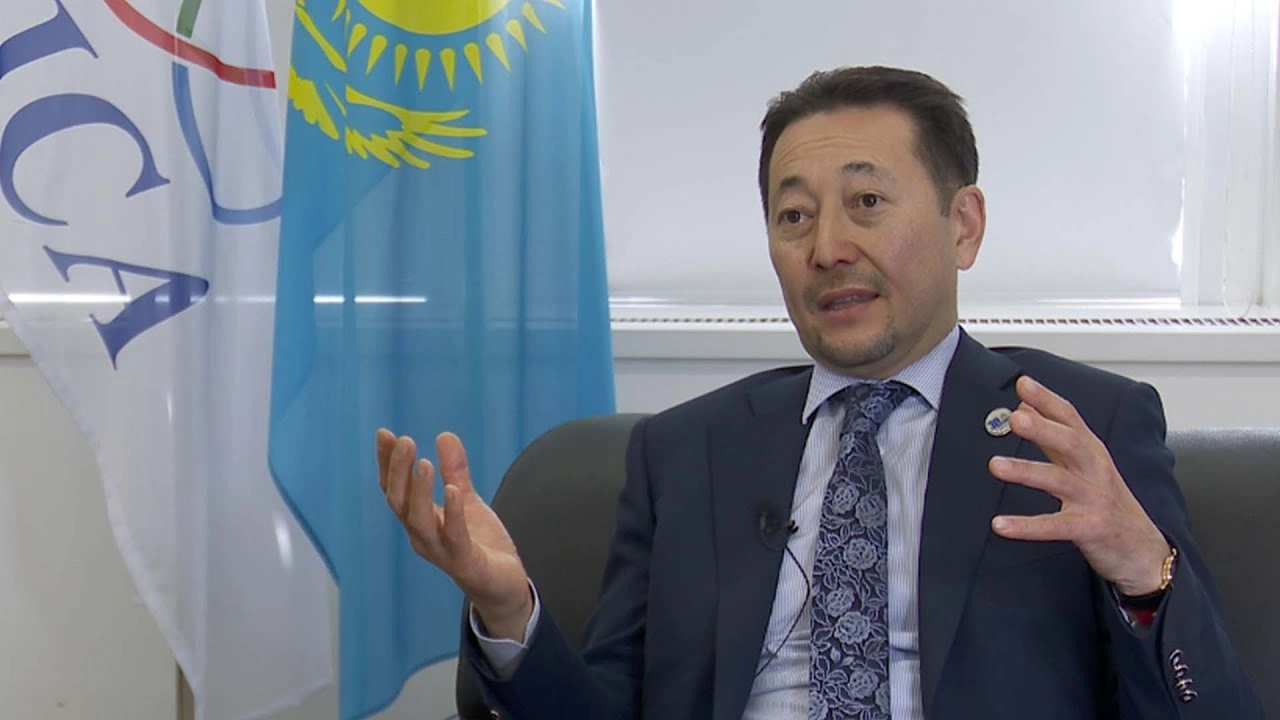
One such framework attracting attention is the Conference on Interaction and Confidence Building Measures in Asia, commonly known as CICA, a multilateral security forum that brings together a wide range of Asian and Middle Eastern countries, including both Israel and Iran. Unlike military alliances built on collective defence commitments, CICA operates as a dialogue driven platform focused on confidence building, trust development and regional cooperation. Its structure allows countries with opposing political positions to remain engaged in structured communication channels, even during periods of heightened tension.
The growing interest in CICA comes at a time when traditional peace negotiation mechanisms are facing increasing limitations. Analysts note that the inability of existing institutions to prevent escalation or sustain long term ceasefires has led to renewed consideration of softer security models that prioritise dialogue over enforcement. In this context, CICA’s inclusive membership and non binding framework are being viewed by some observers as a potential alternative avenue for reducing misunderstandings and maintaining communication between rival states in the Middle East.
Supporters of the model argue that its strength lies in its flexibility, allowing states with divergent interests to participate without formal military obligations. This makes it distinct from NATO style alliances, which are based on collective defence commitments and structured military cooperation. Instead, CICA focuses on incremental trust building measures such as information sharing, joint consultations and regional dialogue initiatives aimed at reducing the risk of miscalculation during periods of crisis.
However, questions remain about whether such a framework can deliver tangible security outcomes in regions experiencing active conflict and deep political fragmentation. While CICA provides a platform for engagement, it does not possess enforcement mechanisms or military capacity, which limits its ability to respond directly to emerging security threats. Despite these limitations, its expanding diplomatic relevance reflects a broader global trend toward exploring multipolar approaches to conflict management, particularly in regions where traditional alliances are under increasing strain.

