
How a city of eleven million became ground zero for a pandemic.
The First Alarms
In December 2019, doctors in Wuhan noticed clusters of pneumonia cases linked to a seafood market. Within weeks, hospitals filled, and fears spread. Initial warnings were met with censorship, but by January 2020, the threat was undeniable. The novel coronavirus was spreading rapidly.
Lockdown of a Metropolis
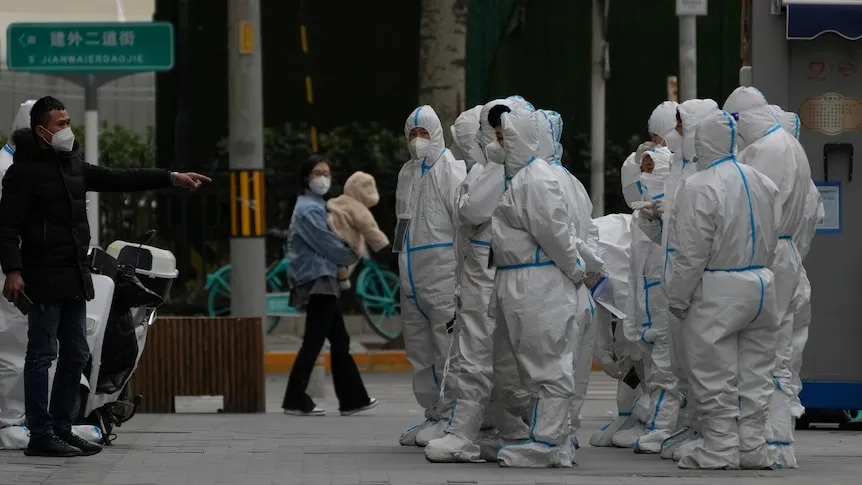
On January 23, 2020, Wuhan was placed under strict lockdown. Highways closed, flights canceled, and residents confined to apartments. For 76 days, the city endured one of the most dramatic quarantines in modern history. Residents relied on volunteers, delivery workers, and neighborhood committees for food and medicine.
The Human Toll
Hospitals struggled with shortages of beds, masks, and ventilators. Medical staff worked around the clock, some succumbing to infection. Citizens documented experiences through social media, creating diaries of fear, resilience, and solidarity. Stories of balcony singing and volunteer convoys became symbols of endurance.
Global Consequences
The virus quickly crossed borders, triggering a pandemic that reshaped economies and societies worldwide. Wuhan became both a cautionary tale and a symbol of containment. While critics questioned delays in early response, others noted the unprecedented scale of the citywide lockdown.
Memory and Meaning
Today, Wuhan’s story is remembered through memorials, museum exhibits, and personal accounts. For residents, it is both trauma and testimony. For the world, it was the moment when a local crisis became global history.
Conclusion: The Epicenter as Mirror
Wuhan’s outbreak shows how local health systems and global interdependence intersect. It was a story of science, sacrifice, and the costs of delay. The city stands as a reminder that in an interconnected world, one outbreak can reshape destinies far beyond its borders.

