
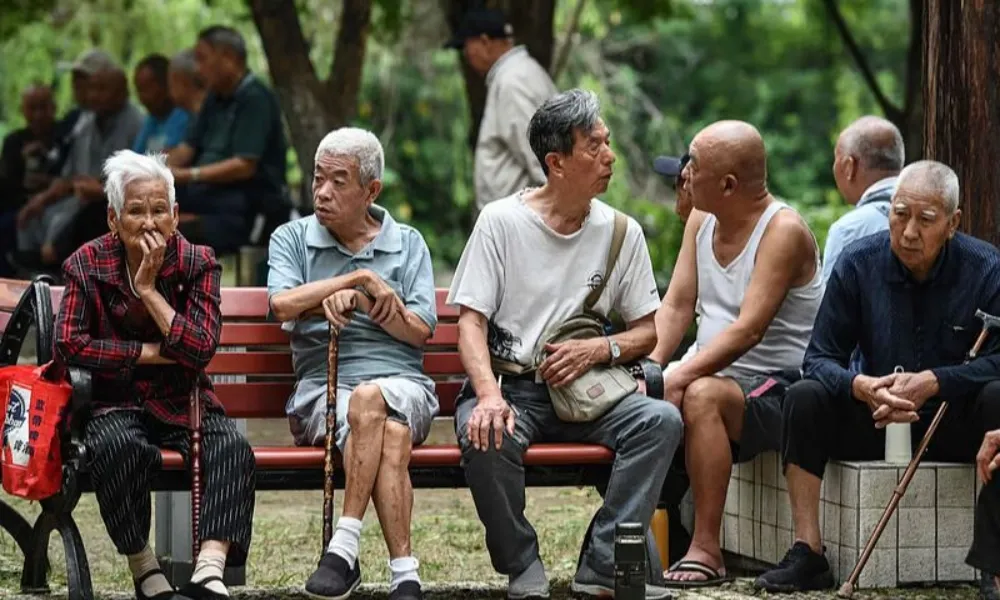
How population shifts challenge China’s future growth.
The Population Turning Point
For decades, China’s large and youthful workforce was its greatest advantage. Factories hummed with migrant labor, cities expanded, and the economy surged. But by the early 2020s, demographic data revealed a historic reversal. The population began to shrink for the first time in six decades, with births falling below deaths. At the same time, life expectancy rose, creating one of the fastest aging societies in the world.
Roots of Decline
The One Child Policy, introduced in 1980, sharply reduced fertility. Even after relaxation to two child and later three child policies, families hesitated. Urban costs of housing, education, and healthcare discourage larger families. Social expectations place heavy burdens on women, who balance careers with caregiving. Surveys show many young couples prefer smaller families or no children at all, prioritizing lifestyle and financial security.
Consequences for the Workforce
A shrinking labor pool challenges the manufacturing model that powered China’s rise. Factories already report difficulties recruiting younger workers. Wage pressures increase as supply tightens, encouraging firms to automate. Robotics and artificial intelligence adoption accelerate, but not all sectors can mechanize at the same pace. The demographic shift could erode competitiveness in industries that rely on low cost human labor.
The Aging Society
By 2050, projections suggest that nearly one-third of China’s population will be over 60. This creates pressure on pensions, healthcare, and social services. Rural areas face a sharper strain, with elderly residents left behind as youth migrate to cities. Long-term care facilities expand, but cultural traditions of filial piety clash with the reality of smaller families and urban lifestyles. The “4-2-1” family structure, four grandparents, two parents, one child, illustrates the imbalance of care responsibilities.
Policy Responses
The government promotes pro natalist measures: subsidies, housing support, and parental leave. Cities experiment with childcare incentives and fertility clinics. Education reforms aim to reduce burdens that discourage parenting. At the same time, retirement age reforms seek to keep older workers active longer. Efforts to attract overseas Chinese talent and skilled migration also feature in planning, though social resistance persists.
Economic Adjustments
Demographic decline forces rethinking of growth models. Greater reliance on technology, productivity gains, and domestic consumption must replace sheer labor numbers. Some economists argue that aging societies can still thrive if they shift to innovation driven economies, citing examples like Japan. Others warn that China’s aging is arriving earlier, before it has reached full income levels, making the transition harder.
Cultural Shifts
Attitudes toward family, gender, and work evolve alongside demographics. Many young Chinese redefine success around personal fulfillment rather than sacrifice for family expansion. Women, in particular, resist pressure to leave careers for motherhood, fueling debates about gender equality and workplace rights. At the same time, elderly citizens are more active in civic life, forming volunteer groups, neighborhood associations, and even online communities that challenge stereotypes of passive aging.
Global Implications
China’s demographic trends affect the world. A smaller workforce could reduce China’s role as the global manufacturing hub, shifting production to countries like Vietnam, India, or Mexico. Slower growth may dampen demand for imports and commodities, reshaping global trade flows. Meanwhile, China’s experience becomes a case study for developing countries that may face similar demographic transitions in the future.
Conclusion: The Weight of Numbers
China’s demographic decline underscores that population is destiny, but not in a fixed way. Numbers constrain possibilities, yet choices in policy, technology, and culture can reshape outcomes. The shrinking workforce and aging society will test China’s adaptability more than any external challenge. Whether the nation finds vitality in reinvention will determine if demographic decline becomes a crisis or simply a new chapter in its long history.

