
A Chinese university student studying in the United Kingdom has been charged in the United States after allegedly taking unauthorized photographs of sensitive military aircraft during a multi state road trip across America. The case has drawn attention due to the nature of the locations involved, including facilities linked to strategic defense operations and reconnaissance aircraft used for national security missions. Authorities say the incident is being treated under federal laws relating to unauthorized photography of defense installations.
The student, identified as a 21 year old enrolled at a university in Glasgow, was arrested at John F Kennedy International Airport on April 7 while attempting to return to Scotland. According to court documents filed in the Eastern District of New York, the arrest followed an investigation into his travel route and activities across multiple US states. Officials allege that the individual engaged in photographing restricted military areas during his trip, which began after entering the United States from Canada.
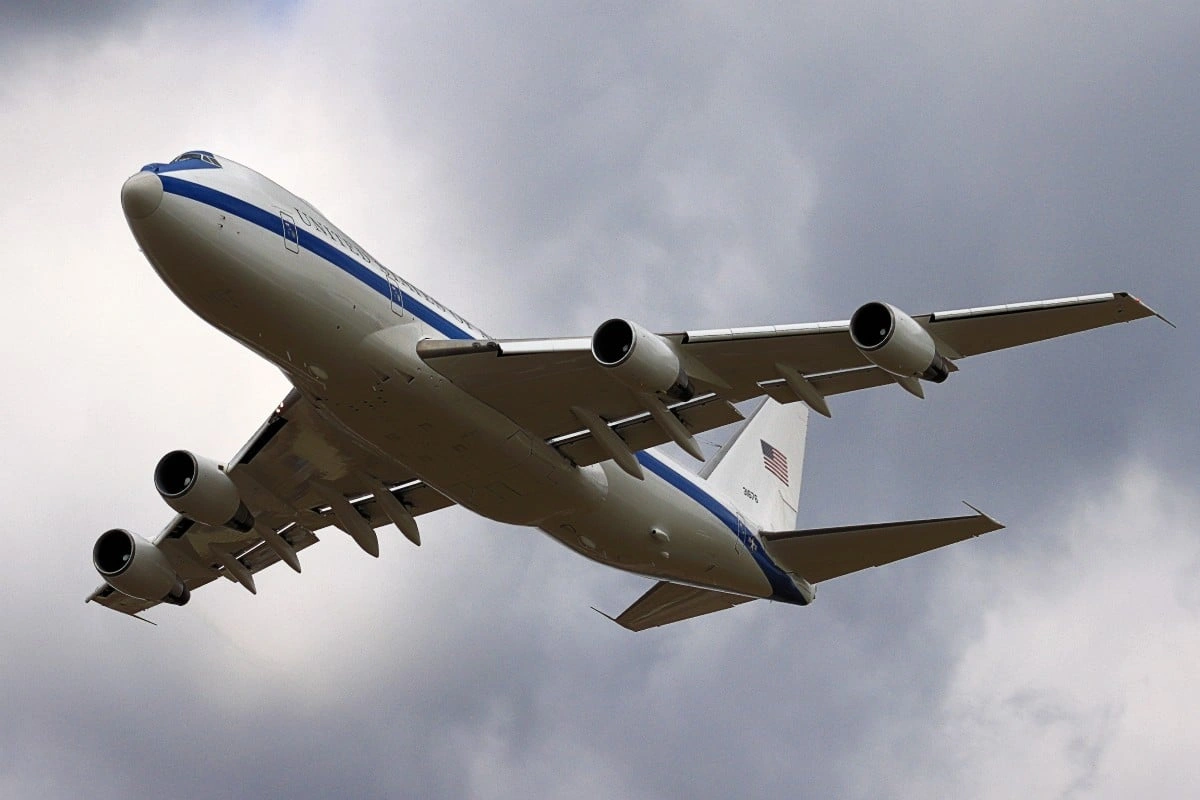
Reports indicate that the student traveled to several sensitive military locations, including Ellsworth Air Force Base and later Offutt Air Force Base, a key installation that hosts US Strategic Command operations. Investigators say he photographed multiple aircraft, including reconnaissance platforms and specialized airborne command systems. These aircraft are considered critical assets in national defense infrastructure, and access to imagery of such equipment is tightly controlled under US law.
US authorities have charged the student with photographing defense installations without authorization, an offense that carries serious legal implications depending on intent and classification of the material obtained. The Federal Bureau of Investigation stated that the case involves travel patterns and digital evidence collected during the investigation. Officials also reviewed his cross border movements, which included entry through Canada before driving through Washington state and onward to military sites in the Midwest.
The incident has added to ongoing sensitivities surrounding foreign nationals accessing or documenting military infrastructure in the United States. While photography of public areas is generally permitted, restrictions apply around defense facilities, particularly those linked to intelligence gathering and strategic command. The case is expected to proceed through federal court, where prosecutors will determine how the images were collected and whether any additional security concerns were involved.

