
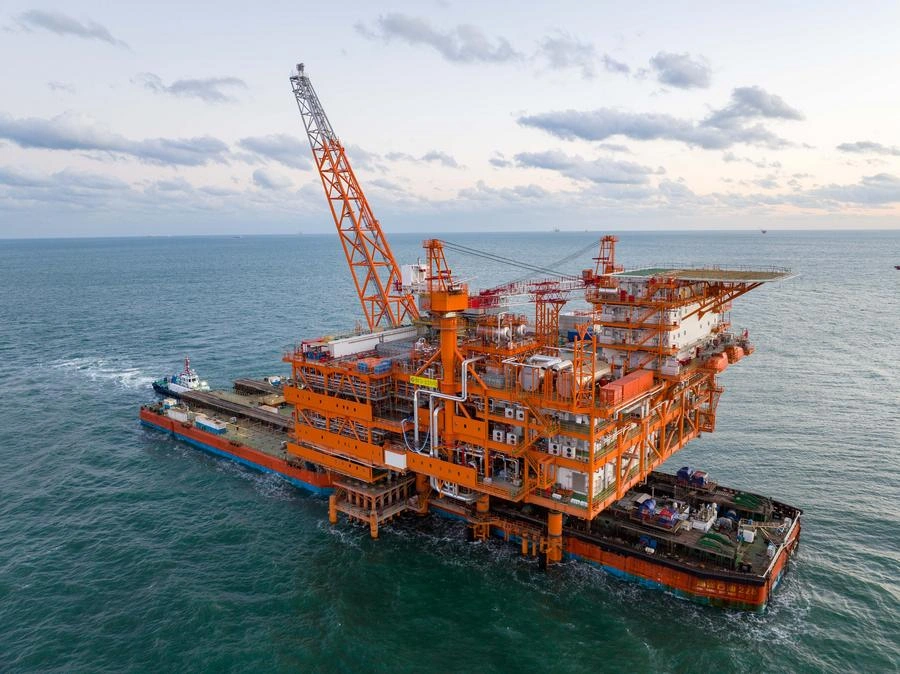
Japan has formally issued a diplomatic protest against new Chinese oil and gas developments in the East China Sea, escalating long standing tensions over disputed maritime boundaries between the two countries. The complaint was delivered after reports that China is constructing additional offshore structures in waters that Japan considers part of its economic zone under a proposed median line boundary. The dispute highlights ongoing friction over resource exploration and territorial interpretation in a strategically important region.
According to Japan’s foreign ministry, the government strongly opposes what it describes as unilateral development activities by China in the East China Sea. Tokyo argues that until a formal maritime boundary is agreed upon, both sides should avoid actions that could deepen the dispute. Japan maintains that the geographic median line should serve as a temporary division between the two countries’ exclusive economic zones, while China has continued exploration activities on its side of the contested area.
Japanese officials have called for China to halt further construction and resume negotiations aimed at reaching a long term agreement on resource development and maritime delimitation. The dispute dates back decades, with both nations claiming overlapping rights to undersea oil and gas reserves believed to exist in the region. Despite previous attempts at cooperation, including a 2008 agreement framework for joint development, no final resolution was reached, and independent operations have continued on both sides.
Reports indicate that China has expanded its offshore infrastructure in the area over recent years, with multiple platforms identified by Japan’s defence ministry. These installations are believed to be part of ongoing energy exploration efforts aimed at tapping potential natural gas and oil reserves beneath the seabed. Japan has repeatedly expressed concern that such activities could lead to unilateral exploitation of resources that remain subject to unresolved legal and territorial claims.
The East China Sea dispute remains one of several maritime tensions in the region, reflecting broader geopolitical competition and energy security concerns. Analysts note that as global demand for energy resources continues, contested offshore zones are becoming increasingly sensitive. The latest protest underscores the fragile nature of diplomatic relations in the region and the importance both countries place on securing access to strategic energy reserves while managing long standing territorial disagreements.

