
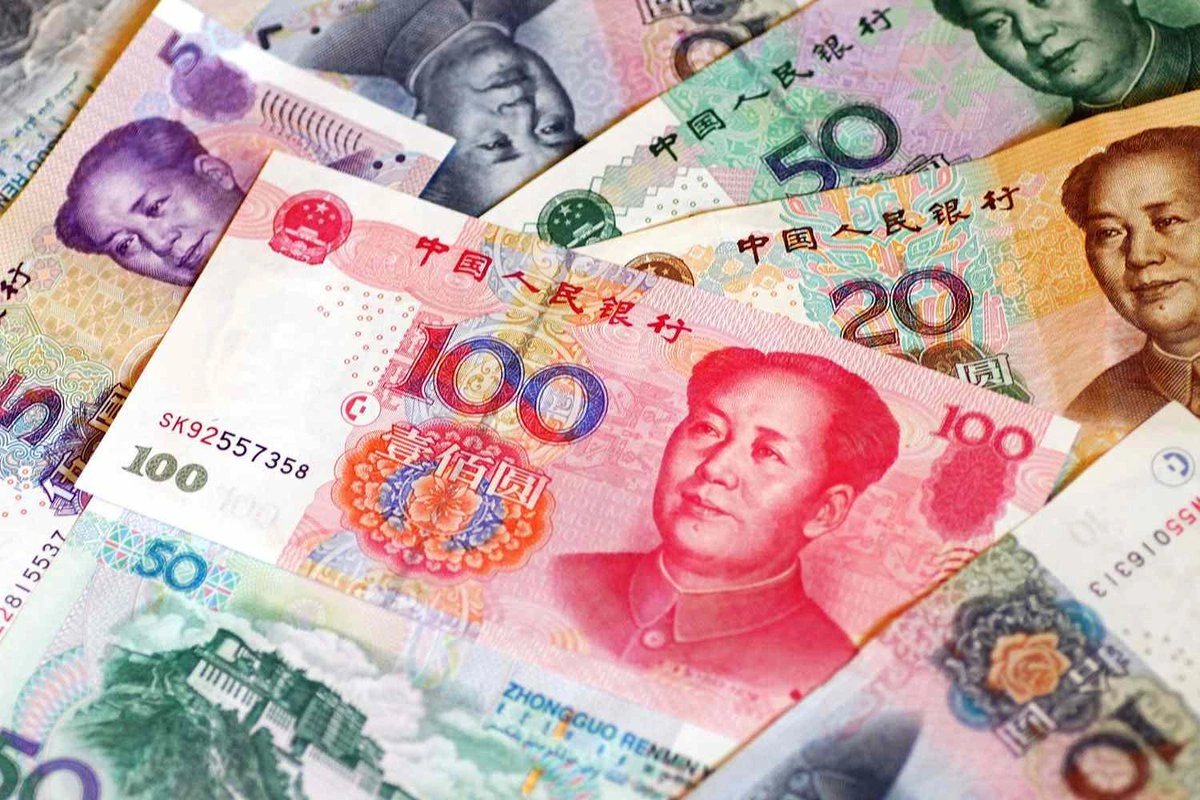
The escalation of geopolitical tensions surrounding the Strait of Hormuz has unexpectedly boosted the international use of Chinese yuan, with reports indicating that it is increasingly being used in alternative payment channels linked to disrupted energy and shipping routes. According to trade and maritime sources, the yuan is being used alongside digital assets in transactions involving vessels navigating restricted or high risk waters, highlighting its expanding role in global trade networks outside traditional Western financial systems. The development reflects a shifting landscape in international finance driven by sanctions, energy disruption, and alternative trade arrangements.
The growing use of the yuan in cross border energy related transactions has been linked to broader efforts by countries facing sanctions or financial restrictions to bypass conventional dollar based systems. In some cases, shipping operators and intermediaries are reportedly using the Chinese currency to settle payments associated with transit fees and energy logistics in politically sensitive regions. This trend has been accelerated by instability in key maritime chokepoints, where traditional payment systems face operational and regulatory limitations.
Analysts note that the increasing reliance on the yuan is partly driven by China’s position as a major global importer and exporter of goods. Many countries engaged in trade with China are beginning to settle transactions in yuan to reduce currency conversion costs and avoid exposure to dollar volatility. While the currency is still subject to capital controls and is not fully freely convertible, its use in bilateral trade agreements and commodity exchanges has steadily expanded over recent years, particularly among emerging markets and sanctioned economies.
The situation has also highlighted the emergence of what some observers describe as a parallel financial ecosystem, where alternative currencies and digital assets are used to facilitate trade outside the traditional banking system. In these networks, the yuan is increasingly viewed as a practical settlement tool rather than a fully global reserve currency. Its adoption in energy and shipping related transactions underscores how geopolitical tensions can reshape financial behaviour and accelerate the use of non traditional currencies in global commerce.
Despite this growing influence, the yuan still faces structural limitations that restrict its global dominance. Capital controls and regulatory frameworks limit its free movement across international markets, preventing it from achieving the same level of liquidity and acceptance as major reserve currencies. However, its rising use in specific trade corridors suggests a gradual shift in financial practices, particularly in regions affected by sanctions and supply chain disruptions, where flexibility and alternative payment mechanisms are becoming increasingly important.

