
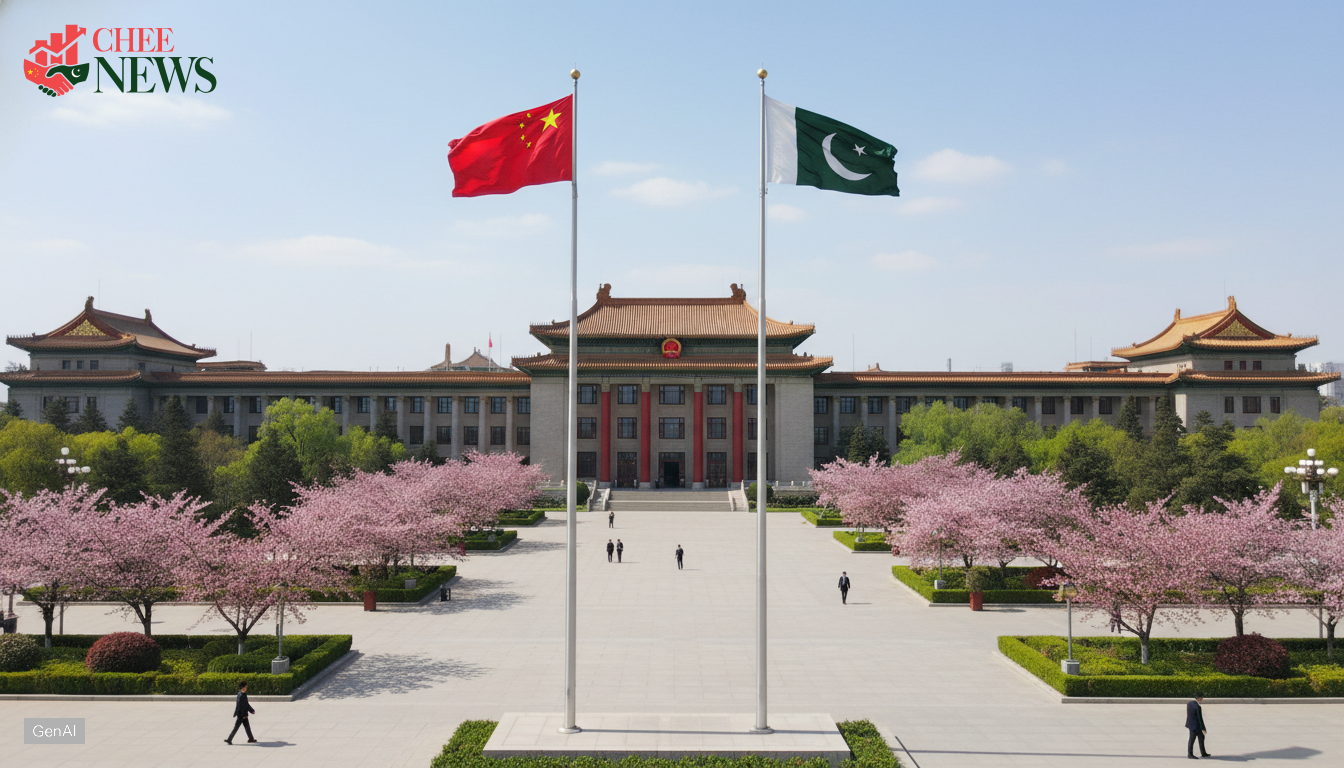
China-Pakistan bilateral talks and Sino-Pakistani diplomacy
Senior officials from China and Pakistan held formal bilateral talks focused on tighter coordination across diplomacy, trade, and regional issues. The discussions were seen as a practical channel for aligning positions on shared priorities without broad declarations. According to reports from Dawn, both sides indicated a “new broad consensus” on boosting ties, suggesting discussions led to agreed language on next steps and messaging. Delegations also reviewed the calendar of high-level exchanges, agreeing to keep communication mechanisms active, with emphasis on continuity and measurable follow-through.
What the “new broad consensus” covers
The headline outcome was the articulation of a “new broad consensus” on strengthening diplomatic ties, reportedly described by Dawn. Officials suggested the consensus covers political communication, multilateral forum coordination, and sustained institutional contact. This consensus reportedly includes angles on technology and supply chains, highlighting predictable consultation channels intended to reduce surprises during fast-moving developments. Such frameworks often pair political commitments with economic resilience.
Economic cooperation and China-Pakistan trade priorities
Economic coordination featured prominently, with officials reportedly linking political engagement to China-Pakistan trade facilitation and investment continuity. The agenda appeared to center on reducing friction for projects, improving agency coordination, and insulating commercial channels from shocks. Coverage by cheenews suggested the engagement represents a convergence between diplomatic positioning and economic priorities, aligning approvals and timelines across ministries and regulators. Bilateral relations reportedly support long-term connectivity goals, while specific numerical targets were not publicly released.
Strategic partnership routines and regional coordination
Beyond economics, discussions reportedly reinforced strategic partnership routines and coordination in international settings. As reflected in regional coverage, like the South China Morning Post, such routines illustrate how governments pair diplomacy with competitiveness narratives. Officials emphasized that predictable engagement supports planning for defense-related dialogues, development initiatives, and crisis communication.
Implementation timeline and next steps for relations
Officials reportedly framed the immediate next phase as implementation, where agreed language is turned into schedules, working-level contacts, and deliverables. The calendar of high-level exchanges is expected to evolve into engagements at ministerial and agency levels over the year. Emphasis remains on consistent diplomatic ties and practical cooperation areas showing progress. Both governments appear focused on sustaining execution rather than episodic announcements, according to insights from Dawn. Attention now turns to whether planned engagements maintain pace and coordination remains aligned across ministries and agencies.

