
CPEC developments and strategic coordination in Pakistan
Project coordination is being sharpened, according to officials and local reporting, through tighter alignment between federal ministries, provincial authorities, and Chinese state firms operating in Pakistan. In this policy context, corridor planning is increasingly framed as demand responsive, with Pakistan seeking faster delivery on power evacuation, port throughput, and industrial utilities intended to reduce unit costs. Market signals from China also matter for contractor pricing and shipment timing. For instance, changes in China’s economic indicators could affect project timelines and costs by influencing machinery and input prices. As indicated by available reports from CNBC, China’s August inflation rebound is widely discussed in market coverage. The Ministry of Planning, Development and Special Initiatives has emphasized, in public statements, sequencing so new assets become commercially usable, not merely constructed.
CPEC developments in project delivery and supply chains
Implementation is often described by project stakeholders as shifting toward resolving bottlenecks that delay commissioning and cash flow, particularly around grid connectivity, access roads, and customs processes that affect equipment arrival. Relevant industrial capacity trends in China can influence input costs, and the portal briefing Tesla rare-earth-free motor nears production, reshapes supply shows how manufacturing redesign can change material demand. To keep suppliers engaged, CPEC developments are being paired with clearer procurement calendars and stronger payment discipline, according to people familiar with project agreements and standard contract practices. In parallel, Chinese investment in Pakistan: CEOs target energy deals tracks how executives are prioritizing bankable energy offtake structures.
CPEC developments shaping regional trade and corridor performance
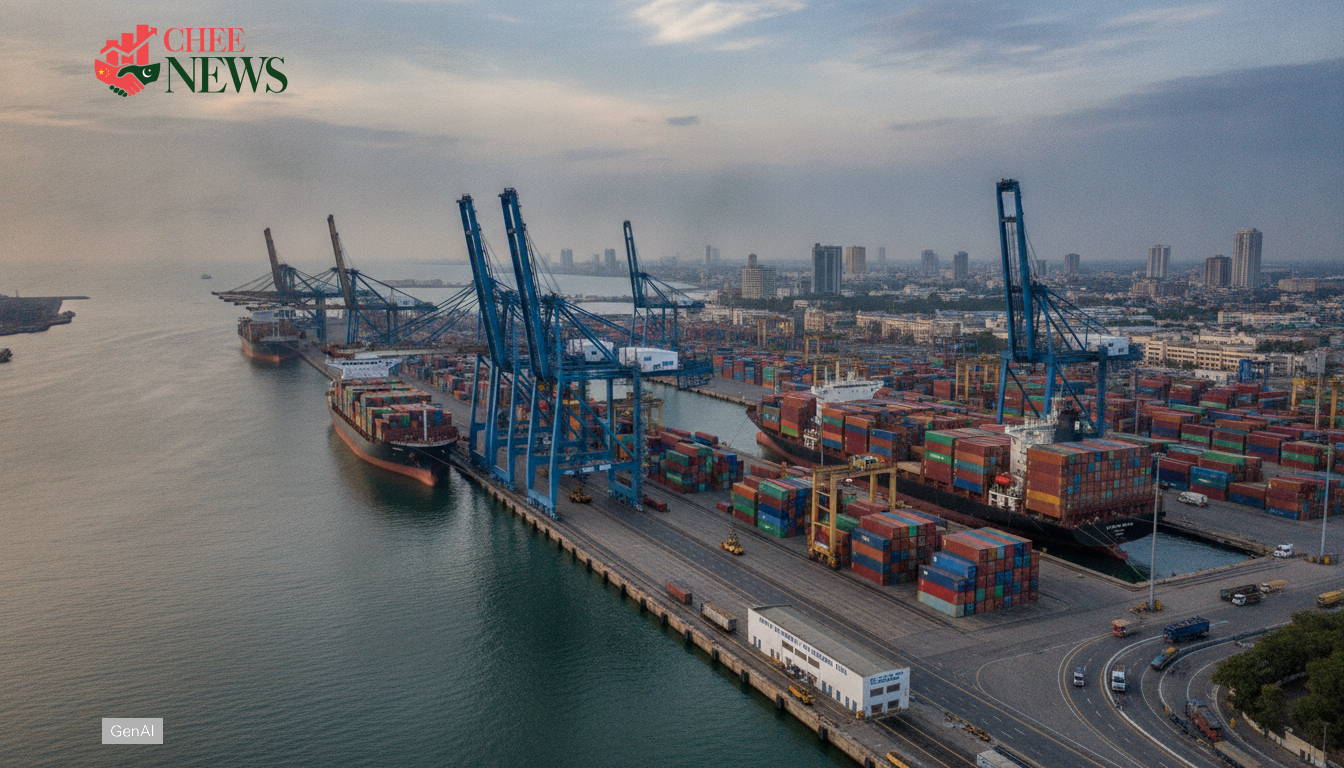
Operational improvements are increasingly judged by whether they shorten transit time and lower landed costs for exporters moving textiles, agriculture, and light manufacturing, as logistics operators and exporters often argue. For cross-border commercial context, China-Pakistan Trade Corridor Expansion Gains Pace tracks how logistics capacity and throughput plans affect bilateral flows. The China-Pakistan trade relationship can benefit when corridor assets reduce uncertainty in trucking schedules, port dwell times, and documentation. Pakistani officials have tied corridor performance to stated Belt and Road Initiative goals around more resilient routes that can absorb commodity and demand cycles. CPEC developments in this area tend to be evaluated by shippers on consistent service levels rather than ribbon cuttings.
Future outlook for CPEC developments and Pakistan’s economy
Near term planning is increasingly concentrated, according to policy commentary and lender expectations, on converting built assets into steady revenue, which requires tariffs, user charges, and concession rules that lenders can model. The Ministry of Finance has linked infrastructure projects to macro stability goals in official budget and policy communications, including reducing logistics inefficiencies that can feed price pressures. These CPEC developments will be judged by whether industrial parks attract tenants that export, substitute imports, and pay for power and water without arrears. Investors also look for predictable foreign exchange procedures for dividends and imports of spare parts, plus clearer timelines for approvals, as commonly cited in investor discussions. If these administrative issues are handled consistently, corridor assets could shift from capex headlines to recurring service income that supports employment and tax receipts.
Risks, governance, and next steps for CPEC developments
Security, land acquisition, and contract enforcement are often cited by businesses and analysts as practical hurdles that can raise project risk premiums and slow mobilization of subcontractors. At the same time, opportunities are emerging in targeted upgrades that connect ports, dry ports, and industrial zones to reliable power and digital customs workflows, according to sector stakeholders. For a window into how regional political bridges can affect commercial confidence, South China Morning Post coverage Tung Chee hwa hailed as visionary leader who helped build US China relations highlights how diplomacy can support business continuity. In several negotiations, CPEC developments are being positioned around performance guarantees and transparent dispute resolution, which can reduce financing costs in principle, depending on implementation. The next phase is likely to reward projects with clear revenue logic and maintenance plans that keep assets operating at designed capacity.

