
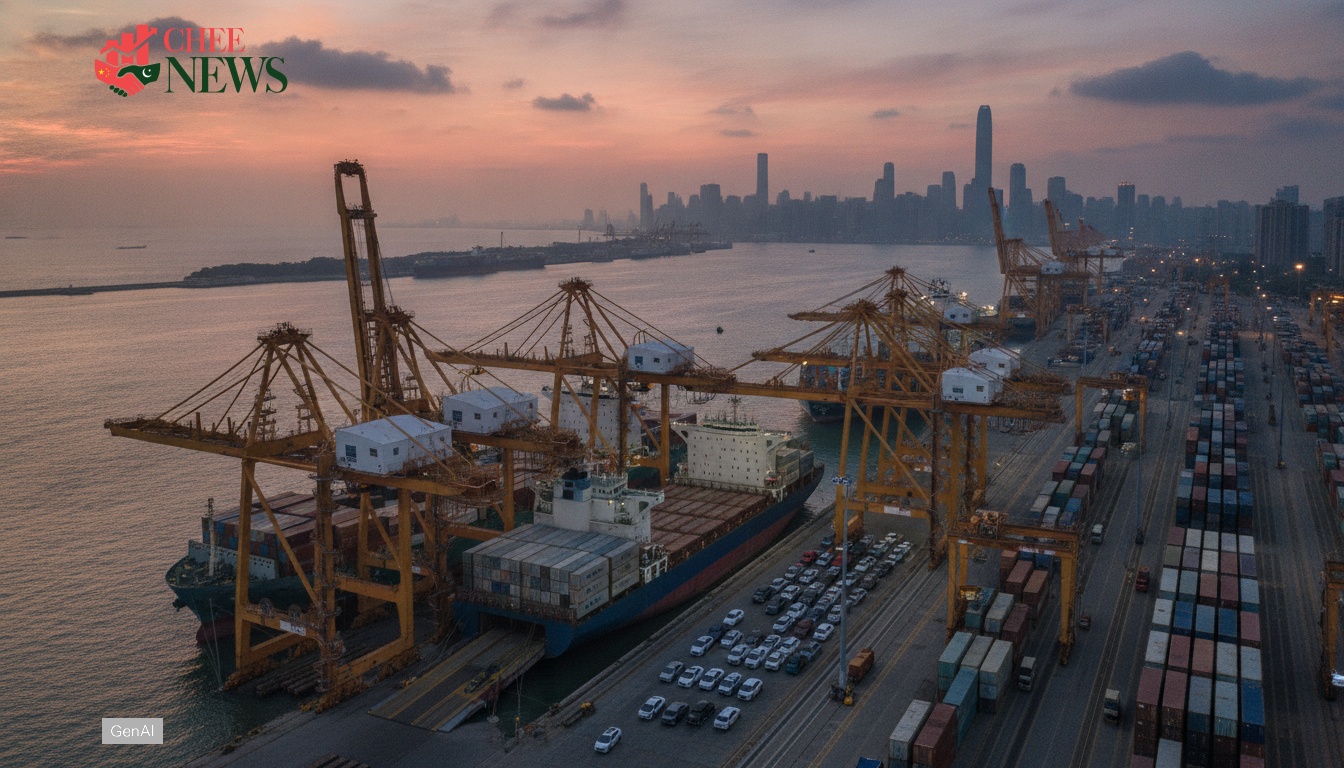
China car exports stay resilient in August
China car exports appeared resilient in August, helping some manufacturers keep factories running even as domestic showroom demand reportedly softened. Data referenced by the China Association of Automobile Manufacturers (CAAM), according to CAAM’s public releases and summaries, pointed to steady outbound shipments, supporting plant utilization and parts orders for battery electric and plug-in hybrid models. Export strength also likely helped smooth cash flow for automakers facing heavier discounting at home, though the impact varies by company and model mix. With coastal ports and logistics providers maintaining throughput, overseas orders continued to cushion production plans in some segments. Overall, the picture suggests a split between stronger external demand and weaker domestic momentum that is influencing pricing, inventory management, and near-term production decisions, with CAAM updates cited in August.
Domestic sales weaken as price competition intensifies
In the domestic market, demand has been described as less supportive heading into the third quarter, with dealers reportedly relying more on promotions to move inventory. CAAM has linked softer buying to intense price competition and cautious consumer sentiment, while some manufacturers have warned of margin pressure tied to incentives and dealer support, according to their statements and industry commentary cited by CAAM. For additional context on regional services and consumer activity, the South China Morning Post has tracked mobility and licensing developments via Uber to apply for Hong Kong licence by end of October as Macau rides surge, with implications for near-term transport patterns. In parallel, trade infrastructure planning remains relevant for cross-border flows that can support China car exports, as highlighted by China-Pakistan Trade Corridor Expansion Gains Pace, alongside factory and dealer margin pressures.
Overseas demand shifts routes and compliance focus
Outside China, importers have been drawn by competitive pricing and broader model lineups, according to CAAM commentary and market reporting, reinforcing demand within the global car trade. CAAM has noted that exporters are diversifying destinations to reduce reliance on any single region while adapting to shifting tariffs and technical compliance rules. In that environment, export shipments are moving through more varied corridors and documentation processes, which can increase the value of digitalized supply chain controls, including themes discussed in China cybersecurity focus after claimed Starlink hack. Companies are also leaning into hybrids in markets where charging networks remain limited, which may help sustain volumes for China car exports in select destinations.
Industry impact: investment tilts toward export readiness
The export mix is reshaping priorities across the Chinese automotive industry, with companies increasingly directing spending toward homologation, overseas service networks, and brand building rather than only domestic retail expansion, according to CAAM and related industry assessments. CAAM has emphasized that destination-specific safety, software, and documentation requirements can raise engineering and compliance costs, especially for connected vehicles. Broader trade developments can also affect parts and materials availability, and the export environment is echoed by policy and shipping pressures discussed in China rare earth exports hit as firms pause US cargoes, which has been cited in connection with supply planning. At the same time, gasoline models still matter in markets that prioritize familiar maintenance and fuel availability, keeping a wider product mix in play. Suppliers tied to batteries, power electronics, and export ready platforms are positioning for sustained demand, though timelines and profitability depend on specific contracts and regulations.
Outlook: strategies to protect margins and market share
Near-term performance will hinge on whether exporters can defend market share while absorbing compliance costs and potential destination-side policy changes, as CAAM and other industry bodies have cautioned. CAAM has indicated that sustained discounting in China might spill into export pricing, potentially testing profitability if freight, insurance, or financing costs rise, keeping China car exports central to planning discussions. Carmakers are responding by tightening launch schedules, prioritizing higher-margin trims, and expanding local partnerships for distribution and servicing in target countries, according to company plans and industry reporting. China car exports are likely to remain an important outlet while domestic demand stays subdued, but longer-term outcomes will depend on brand trust, warranty coverage, and parts availability. Firms are also leaning on software updates and aftersales support to improve retention across ownership cycles.

