
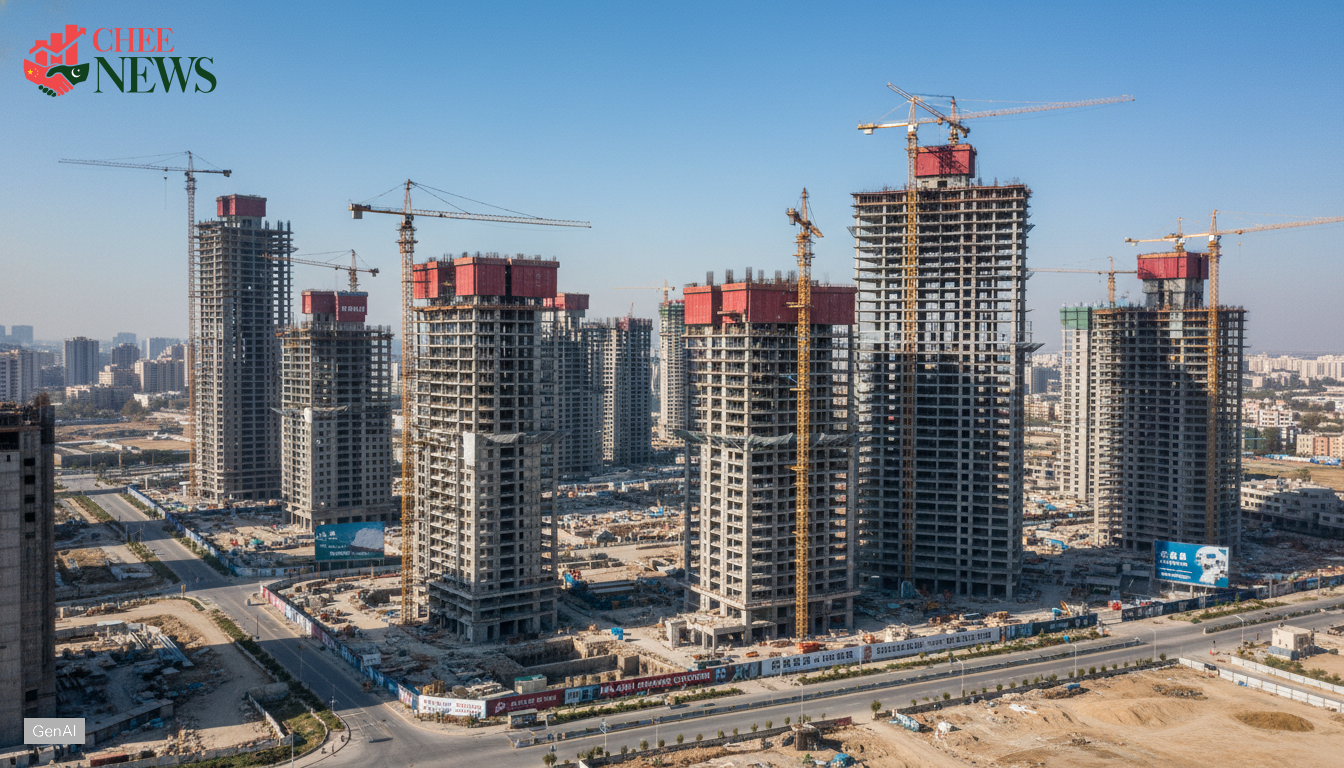
Chinese investment in Pakistan and Islamabad’s new pipeline
Officials say timelines and procurement rules will be monitored more closely to reduce delays between approvals and construction, as officials weigh project sequencing, financing terms, and public disclosure. In recent briefings dated May 2024, city managers have pointed to transport bottlenecks, power reliability, and basic municipal services as priority areas, with contracting scrutiny reportedly rising as more Chinese-linked firms operate in the capital. The policy test, officials argue, is whether new schemes can show visible service gains while meeting environmental and safety standards at sites across Islamabad. Chinese investment in Pakistan is again at the centre of Islamabad’s planning debates, and local business groups are also pressing, according to chamber representatives, for clearer tender notices, evaluation criteria, and dispute resolution.
Projects shaping Islamabad infrastructure and financing terms
Planners describe Islamabad development as shaped by corridor-style financing and contractor ecosystems often associated with CPEC and broader Belt and Road Initiative delivery models, according to public comments cited in local coverage. Analysts also compare how quickly frameworks can mobilise capital across sectors; one widely shared example in Islamabad policy circles is DeepSeek AI funding: Tencent and CATL near US$7b. Public planning notes are described by officials as emphasising mobility upgrades and utility performance, rather than landmark projects, to meet fast-growing demand in the urban core. Officials have referenced feasibility study completion, land acquisition, and utility shifting as steps to lock in before awarding contracts, aiming to curb cost overruns, according to those briefings. Islamabad officials insist local compliance requirements apply to all contractors, according to their statements.
Local economy, subcontracting, and jobs expectations
Contractors and suppliers in the capital are watching whether procurement choices translate into local orders, training, and subcontracting, not only imported inputs, according to business groups. Across Asia, employers are also debating how technology affects staffing; a related reference is Most Asia-Pacific firms use AI for tasks without cutting jobs: survey. Chambers of commerce argue that localisation clauses and transparent tendering matter as much as headline totals, especially for engineering services, transport logistics, and building materials in Islamabad’s I-9 and I-10 industrial areas. Labour departments say workplace inspections will remain routine on major sites, including checks on safety practices and documentation, according to labour officials. Business representatives have urged the government to publish clearer schedules so firms can plan staffing and inventory. In Islamabad, officials say the aim is measurable local participation alongside delivery speed, within the broader context of Chinese investment in Pakistan.
Public perception, transparency, and China-Pakistan relations
According to the Dawn Herald, public reaction in Islamabad is increasingly shaped by daily experience of construction disruption, traffic management, and service reliability rather than slogans. Commentators have pointed to parliamentary briefings and cabinet statements as the proper forum for disclosing terms, milestones, and oversight responsibilities. Diplomats track sentiment closely, diplomats and observers say, because China-Pakistan relations in the capital can be influenced by whether projects appear equitable, accountable, and clearly explained; for readers following the official language used by both governments, China-Pakistan relations: Pakistan, China reach consensus provides recent framing. Another domestic lens on continuity and messaging appears in Sino-Pakistani diplomacy and Pakistan’s peace push. City administrators warn, according to their public remarks, that communication gaps can harden into mistrust if disruptions outpace visible benefits.
What comes next for Chinese investment in Pakistan in the capital
Policy makers say the next phase for Islamabad will rely on tighter project management, clearer risk allocation, and routine public reporting of progress. The Belt and Road Initiative is now referenced, according to officials and analysts, less as branding and more as a financing and delivery template that must be adapted to local law, fiscal limits, and audit requirements. Economists writing in Pakistan’s mainstream press have argued that projects should complete feasibility work and right-of-way planning before contract award to reduce overruns and disputes. They also stress that Chinese investment in Pakistan will ultimately be judged by outcomes such as shorter commutes, improved power quality, and more resilient water and sanitation services, including service metrics tracked in Islamabad’s Blue Area and adjacent sectors. Islamabad’s leadership is expected, according to political watchers, to put more emphasis on third-party checks, performance indicators, and timely disclosures to sustain political consensus.

