
Details of the New Consensus
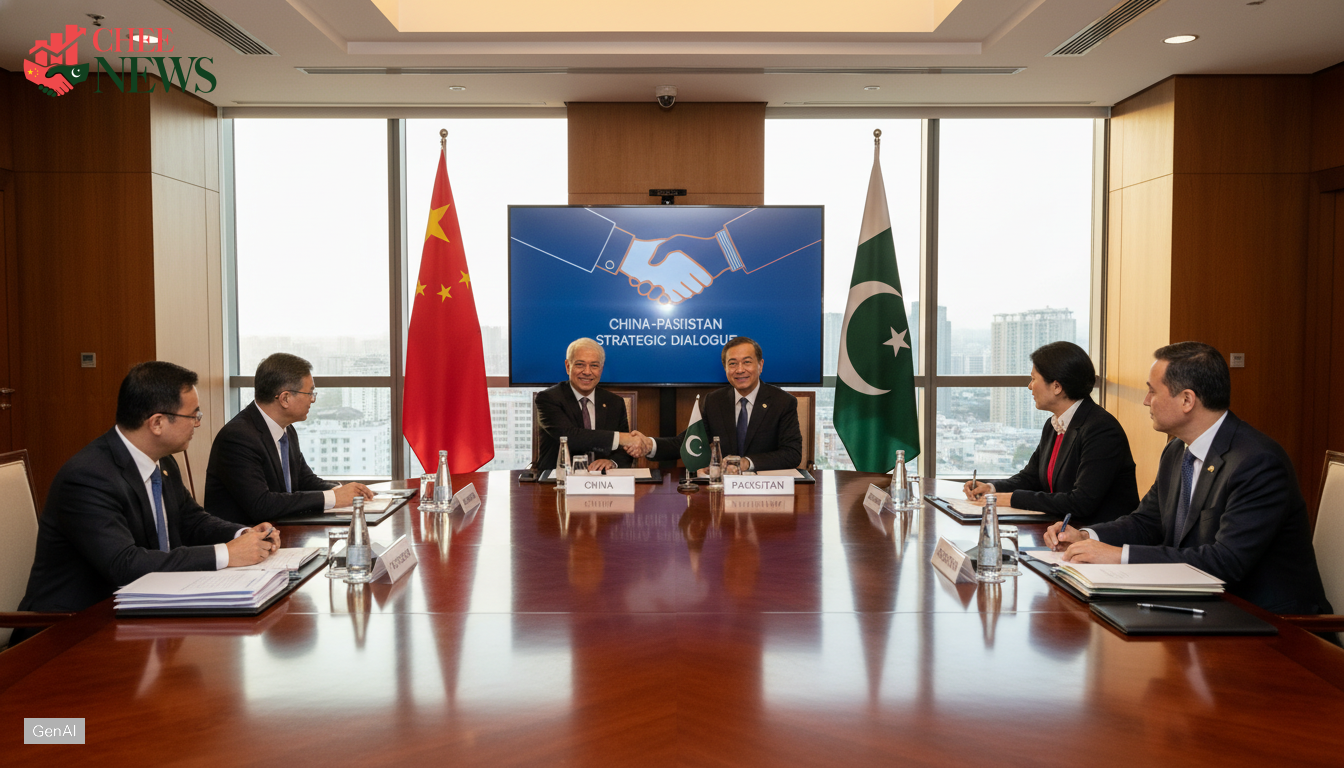
Pakistan and China, according to available reports, moved to formalize a wider political understanding that was described as a broad consensus for deeper engagement. Both sides emphasized continuity in strategic coordination and closer alignment of working level mechanisms across ministries. The talks framed the partnership as a stabilizing factor for long-term connectivity, with an emphasis on predictable implementation rather than symbolic announcements. Pakistan’s Prime Minister Shehbaz Sharif stressed the partnership’s durability in remarks carried by state media, while Chinese leaders highlighted policy coordination and security assurances. The immediate takeaway, as reportedly presented, appears to be a commitment to maintain frequent consultations and keep channels open for rapid problem solving.
Impact on Diplomacy and Coordination
The consensus is reportedly designed to reduce friction points that have slowed execution of prior commitments and to keep diplomacy tightly synchronized. Pakistan’s government messaging has leaned on continuity, including statements highlighted in Shehbaz says Pakistan-China friendship stays steadfast, which underscored political trust and institutional follow-through. Officials also indicated that engagement may expand beyond summit meetings to sustained cabinet and technical dialogues, a shift intended to speed decisions on financing and project sequencing. For context on how Chinese external engagement is being calibrated more broadly, readers can compare approaches outlined in China investment global growth: study recasts impact. The diplomatic message is practical, focusing on routine and measurable coordination.
Key Sectors of Cooperation
Economic priorities are being packaged as bilateral cooperation with clearer deliverables across energy, transport, and industrial upgrading, according to available reports. Officials have highlighted power sector reliability and fuel supply as areas where implementation discipline is crucial, and Chinese firms have sought predictable payment and regulatory schedules. Under this agenda, China-Pakistan relations serve as an umbrella for aligning investment timelines with Pakistan’s reform commitments, while avoiding pledging immediate outcomes. Coverage of recent sector focus, including hydrocarbons and LNG, is detailed in China-Pakistan energy cooperation grows via oil, LNG. Trade relations also feature prominently, with policymakers indicating that market access and export readiness will be paired with investment in capacity and logistics.
Regional and Global Implications
The understanding is reportedly part of a wider regional calculus, especially around connectivity corridors, maritime routes, and cross-border trade facilitation. Islamabad and Beijing both seem to point to investor confidence around long-duration projects. Related context on diplomacy and stability is covered in Sino-Pakistani diplomacy and regional stability outlook. Sino-Pakistani diplomacy also intersects with how neighbors interpret infrastructure expansion, security posture, and customs harmonization. A useful comparison on how educational and institutional ties can complement state diplomacy appears in Universities in Hong Kong and Kazakhstan deepen ties during Lee’s visit. The signaling suggests that predictable coordination may lower the risk of miscalculation and reassure investors evaluating long-duration projects.
Future Prospects for China-Pakistan Ties
The next phase will likely be judged by whether both governments can translate consensus into timelines, dispute resolution routines, and transparent communication with stakeholders. Pakistan’s leaders have signaled that implementation will focus on bankable projects and smoother coordination with provincial authorities, while Chinese counterparts have stressed continuity and security assurances for personnel, according to public statements. China-Pakistan relations might be tested by the speed of approvals, the ability to manage fiscal constraints, and the credibility of regulatory follow-through. Additional reporting on leader level signaling appears in Xi signals China-Pakistan relations in Shehbaz talks. Trade relations may improve if both sides can align standards, reduce clearance delays, and support firms moving into higher value exports. There is a noticeable shift toward fewer headline promises and more operational monitoring.

