
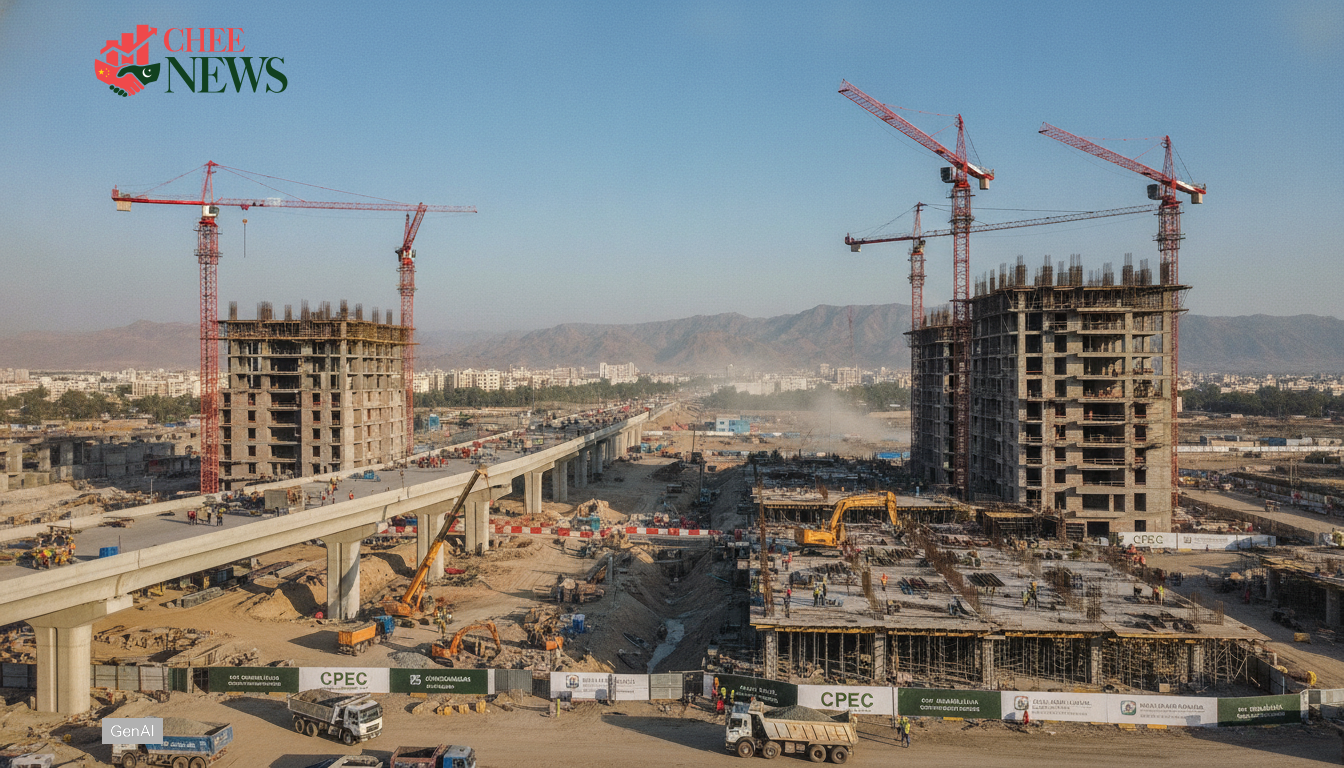
China-Pakistan Economic Corridor: aims and 2025 priorities
China-Pakistan Economic Corridor planning is described by Islamabad as entering a second phase, with an emphasis on fewer announcements and more operating assets that generate revenue, according to public statements from Pakistani officials. Policymakers have described priorities around industrial cooperation, agriculture links and logistics integration with western China, while provinces reportedly compete for special economic zones and supporting utilities. Financing costs and timelines are receiving closer scrutiny, and government officials have indicated projects will be screened for commercial viability. The initiative is also framed by officials as a platform to attract private co-investment and expand exports through more predictable execution. A central question is whether corridor infrastructure can move from construction headlines to durable services, maintenance funding and measurable gains in project districts.
Economic implications of CPEC: energy and trade
Government officials suggest that the quickest benefits from CPEC come from improved power availability and reduced freight times that could enhance factory output and export competitiveness. For deeper context on how China’s governance priorities shape overseas engagement, see Xi Jinping Thought: China codifies party-building doctrine. Meanwhile, Pakistan’s State Bank has cautioned that gains still depend on tariffs, regulation and credible dispute resolution, not only new roads. Government statements also propose connectivity could widen market access for inland districts rather than only coastal hubs, though the scale and timing may vary by project. Trade planners have pointed to upgrades intended to streamline cross-border movement and shorten logistics cycles, according to official messaging.
Local impacts: land, jobs and security pressures in Gwadar
In Gwadar and parts of interior Balochistan, residents and local leaders have raised concerns with authorities about water supply, fisheries access and job transparency tied to port-linked construction, according to local accounts and public remarks. These local impacts have become more visible as security checks, restricted zones and land acquisition disputes intersect with daily livelihoods, as reported by community representatives. For reporting on household pressure linked to energy pricing and grid constraints, read Pakistan energy projects under CPEC: grids and tariffs. Community members say decisions are often communicated after contracts are finalized, while officials state that grievance mechanisms exist. The distribution debate around major corridor projects often comes down to who gets hiring priority and how quickly municipal services improve near project sites, according to local stakeholders.
Pakistan infrastructure delivery: maintenance, zones and timelines
Project managers and planners increasingly emphasize keeping completed assets functional, because Pakistan infrastructure performance can determine whether industrial zones attract tenants, according to official and developer commentary. Officials have publicly linked freight efficiency to routine maintenance budgets rather than ribbon cuttings as heavy vehicle loads rise. Gwadar is widely described as a test case for whether megaprojects translate into ordinary living standards through reliable water, roads, and urban services. For additional context on how upgrades are being positioned around commerce and routing, see China-Pakistan trade: CPEC upgrades reshape corridors. Next steps also depend on trade facilitation and border logistics that influence investor decisions on warehousing and light manufacturing, according to planners. Planners say utilities, skills, and municipal delivery must align more closely with industrial demand.
What comes next for China-Pakistan Economic Corridor projects
For the next cycle, policymakers are emphasizing commercial viability because repayment schedules and fiscal space will shape what can be built and how fast, according to Finance Ministry statements. The Finance Ministry has repeatedly pointed to tighter screening of proposals and a stronger role for private participation rather than expanding public guarantees. Analysts who track Pakistan China connectivity argue that clearer procurement, predictable taxes, and enforceable contracts will matter as much as new ground breaking. The debate also returns to distribution: who gets jobs, who bears disruption, and how quickly services improve in project districts, as reflected in local and national commentary. A durable consensus will likely depend on measurable local service delivery that residents can see, not only national level growth narratives.

