
China-Pakistan trade and CPEC upgrades in 2024 to 2026
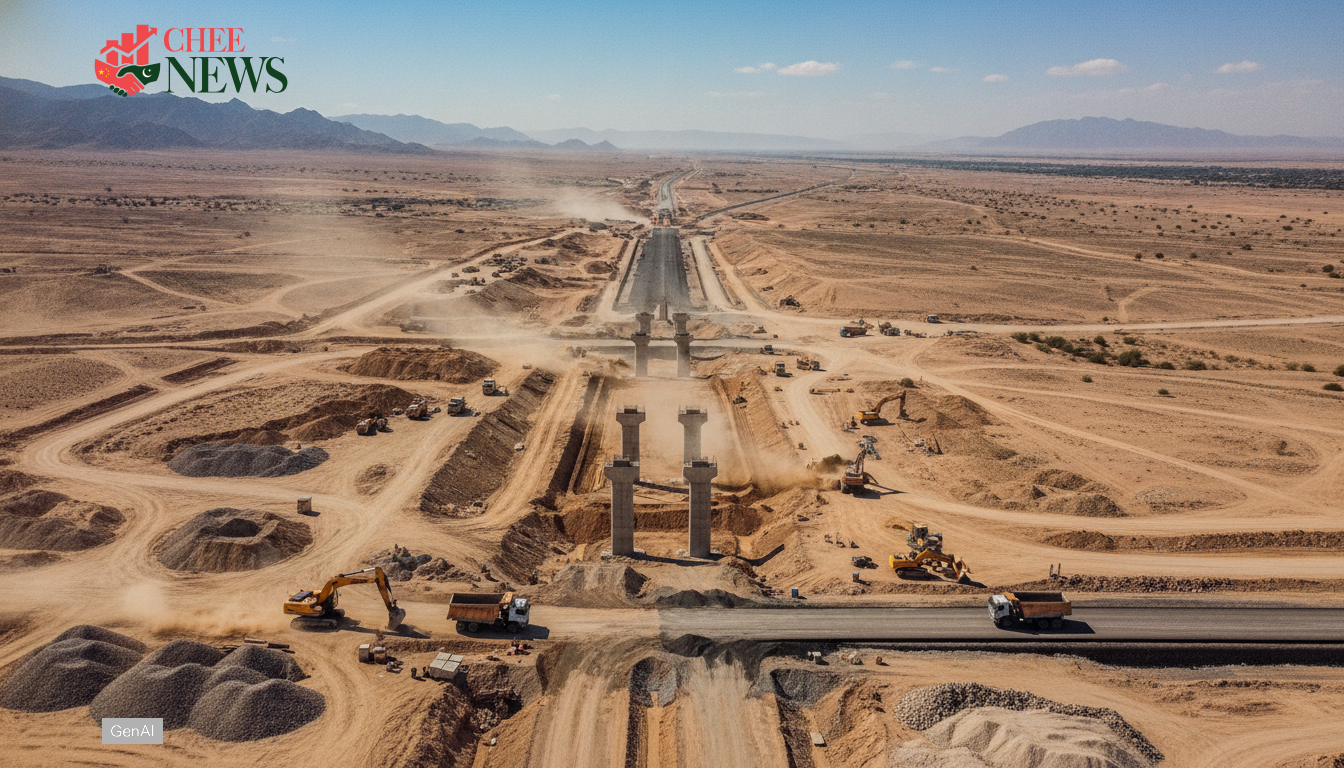
China-Pakistan trade is increasingly shaped by CPEC work that appears to be shifting from ribbon cuttings to operational improvements across transport, energy, and port services, as indicated by available reports. In 2024 and 2025, provincial planning teams have reportedly focused on access control, interchanges, and last mile links intended to make highways more reliable for heavy cargo and time-sensitive shipments. Officials have described priorities such as customs coordination, more predictable freight routing, and clearing bottlenecks near industrial estates where informal parking and weak service roads were previously cited as causes of slower turnaround. The next phase is often framed by authorities as measurable delivery with fewer stoppages, clearer operating rules, and higher asset uptime to support commerce.
Freight logistics changes along CPEC transport corridors
Operators and chambers increasingly say they track cost, time, and reliability rather than headline spending. Agencies have described corridor execution as productivity-focused economic development, asking whether transport savings translate into more competitive exports and steadier inventory cycles. This operational lens is central to planning for cross-border commerce tied to China-Pakistan trade. For context on how predictable rules can change market behavior when projects reach the operations phase, China tech regulation shifts to steadier, clearer oversight highlights how clearer oversight supports confidence, and for on-ground corridor trends and sequencing, CPEC trends reshaping Pakistan corridor priorities outlines the move toward phased delivery with performance checkpoints.
Economic impact and trade facilitation for exporters
Exporters commonly emphasize shipping windows, inventory cycles, and fewer clearance surprises. Trade facilitation teams have discussed interoperable documentation, more predictable inspection regimes, and better coordination at key nodes to reduce waiting time without large new construction, according to briefing summaries that have been reported. If schedules become steadier as planned, China-Pakistan trade could expand through consistency rather than one-off announcements. Recent briefings have also emphasized that smoother connections between industrial estates and trunk routes could reduce spoilage and demurrage for perishable and high-value cargo. Energy reliability is frequently cited as a linked constraint for factories feeding trade corridors, and CPEC energy projects drive Pakistan power build momentum connects grid stability efforts with industrial output.
Chinese investment, safeguards, and financing priorities
Chinese participation is increasingly described by officials and analysts in terms of finance structure, risk controls, and dispute resolution rather than simple capital inflows. Briefings have highlighted targeted funding for grid stability, port support services, and industrial utilities aimed at keeping existing assets productive and bankable, as described by officials in 2024 briefings in Islamabad. Lenders and contractors typically look for throughput projections that match operating costs and repayment schedules, so performance reporting and maintenance plans can matter as much as ceremonial milestones, according to market participants. A comparison of how institutions communicate milestones and governance narratives can be seen in HKMU holds Groundbreaking Ceremony for new campus. For China-Pakistan trade, the financing discussion is increasingly about predictable operations and enforceable oversight, as stakeholders often put it.
Risks, security, and future prospects for China-Pakistan trade
Execution remains constrained by security risks, land acquisition disputes, and the need for clearer risk allocation in contracts, according to commonly cited concerns from businesses and authorities. It is suggested that sequencing must match fiscal capacity, especially where imported inputs and foreign currency payments can pressure cash flows. Those constraints may create room for renegotiated terms that prioritize completion, maintenance, and service quality over rapid expansion. Transport operators are also watching how travel trends 2026 could affect road safety, digital ticketing, and cross-city connectivity near economic zones even while freight stays the main driver, according to industry conversations. Over time, China-Pakistan trade is likely to grow fastest where clearance, storage, and cold chain links operate as integrated services with published performance targets and consistent delivery, if the planned reforms are implemented.

