
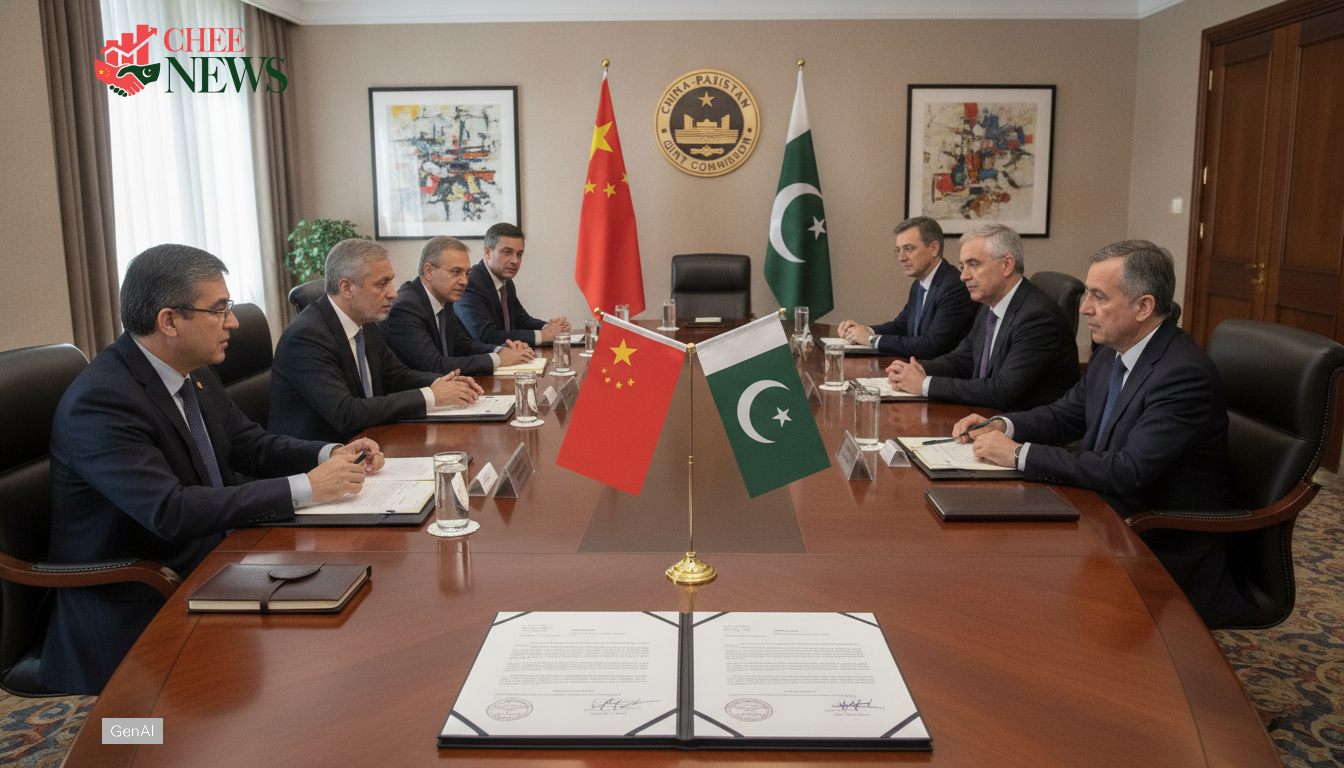
Sino-Pakistani diplomacy: Qureshi’s goals for China
Foreign Minister Shah Mahmood Qureshi said he would make a follow-up diplomatic visit to China next month, according to Dawn’s coverage of his remarks. Officials have described the trip as a working session, with line ministries expected to bring implementation notes, pending approvals, and practical timelines. The outreach is being framed as a way to ease bottlenecks that can slow financing decisions, interagency clearances, and federal-to-provincial coordination, officials said. As presented in the report, the aim is to leave Beijing with written understandings tracked through existing joint mechanisms, with assigned owners and review dates. If agreed, the visit would emphasize continuity in dialogue over one-off announcements and measurable follow-through.
How talks could lift economic cooperation and delivery
The next round of talks is expected to focus on tighter economic collaboration by linking political signaling to practical delivery, particularly where contracts depend on administrative clearances, as indicated by officials cited in local reporting. Qureshi’s office has previously said economic matters dominate the agenda, and Dawn’s report reflects that emphasis. For context on how policy choices and industrial capacity issues can influence partner negotiations, China tech overproduction dispute hits EV exports shows how export dynamics can ripple into bilateral planning. Cooperation can gain traction when both sides agree on milestones investors can verify and when review meetings follow a predictable schedule. The expected impact, officials suggested, is clearer prioritization so fewer initiatives compete for the same approvals, financing windows, and administrative bandwidth.
Priority agenda items: energy, CPEC sequencing, investors
On substance, officials have signaled that energy payments, project sequencing under CPEC, and facilitation for investors will be central topics, with each item tied to specific administrative actions and deadlines. Related coverage on policy and corridor execution provides added context, including Pakistan energy projects under CPEC: grids and tariffs and China backs China-Pakistan Economic Corridor amid shifts. The diplomatic visit provides a venue to review the performance of existing working groups and assign due dates for pending paperwork, according to the reporting. Analysts following Pakistan-China engagement also note that external pressures can complicate coordination, a theme explored in Sino-Pakistani Diplomacy and Its Role in US-China Relations. By emphasizing deliverables, both sides may reduce ambiguity that often delays procurement and contracting.
China’s role in Pakistan’s development and CPEC execution
Pakistan’s economic managers have described China as a central partner for infrastructure delivery, industrial investment, and technical cooperation, while emphasizing the need for predictable policy execution on the Pakistani side, according to official messaging. Government statements have linked development targets to sustained China-Pakistan relations, particularly in connectivity, energy reliability, and industrial upgrading under CPEC. In this cycle, Sino-Pakistani diplomacy is being used, as reported by Dawn, to keep commitments aligned with what line ministries can execute and what lenders can disburse against. For a deeper look at the corridor’s domestic constraints and incentives that shape implementation, China-Pakistan Economic Corridor: economic and local dynamics explains how local dynamics can affect timelines and community acceptance. The practical test will be whether post-visit coordination reduces lag between approvals, releases, and ground activity on agreed packages.
What to watch next for bilateral cooperation
Looking ahead, officials are aiming to institutionalize faster problem-solving through routine reviews that do not wait for crises or major summits, as indicated by Dawn’s reporting on Qureshi’s intent to return. China-Pakistan relations will likely hinge on whether both parties can translate political alignment into project governance that survives bureaucratic turnover and election cycles, analysts said. The framework becomes most valuable when it produces clear responsibility lines, so disputes are handled through predefined channels rather than ad hoc negotiation. If that approach holds, bilateral cooperation may expand into more complex ventures that require stable rules, reliable payments, and enforceable timelines. Investors will watch for post-visit documentation, follow-up meeting dates, and concrete movement on the highest-priority items discussed. A key indicator will be whether agreed decisions convert into releases and implementation within the next reporting cycle, as noted in subsequent official updates and reporting.

