
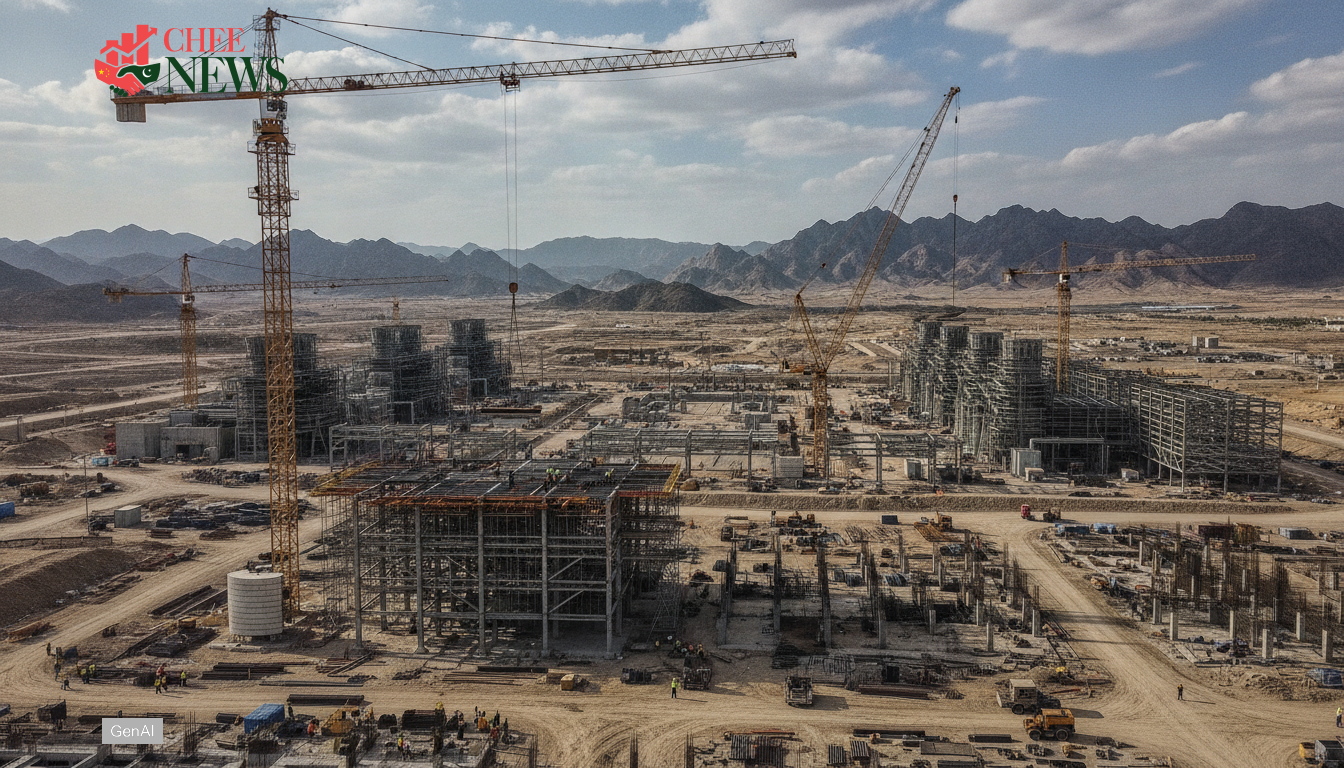
Pakistan energy projects under CPEC: current priorities
Pakistan energy projects linked to CPEC are increasingly assessed not only by added megawatts, but by whether the power system can deliver electricity reliably and affordably. In public statements and regulatory documents issued through 2024, officials in the Ministry of Energy and NEPRA have described priorities that include higher utilisation, tighter dispatch discipline, and improved payment flows as circular-debt pressures persist. In that framing, Pakistan energy projects are screened against transmission readiness, merit-order dispatch, and contract compliance so existing plants can run closer to optimal load without destabilising grid frequency. Utilities have also been urged by policymakers and regulators to improve demand forecasting and outage response, with the stated aim of reducing expensive short-run procurement. Overall, the direction described by officials signals a shift from capacity headlines toward grid performance, cost control, and service-quality metrics for industry and households.
Transmission upgrades and grid integration needs
Transmission has moved to the centre of planning because, as grid planners and sector analysts frequently note, new generation cannot lower end-user costs if power cannot be wheeled to demand centres. Planning documents and stakeholder discussions typically emphasise congestion relief, reactive power support, and metering upgrades as ways to reduce forced outages and technical losses. For corridor governance context, CPEC trends reshaping Pakistan corridor priorities tracks how sequencing is changing across sectors, and analysts argue that feeder-level data and better forecasting can help reduce loss hotspots and improve dispatch decisions, especially during summer peaks in Lahore, Faisalabad, and Karachi. In parallel, commentators on regional risk often point to external market sentiment and shipping disruptions as variables that can affect fuel availability and pricing, and the US, Iran electronically sign Hormuz deal ahead of formal ceremony report is sometimes cited in those discussions.
Financing, tariffs, and reforms shaping dispatch
Affordability and cash flow are widely described by utilities, lenders, and regulators as binding constraints because delayed payments can reduce plant availability and discourage routine maintenance. NEPRA determinations and tariff notifications have been cited by market participants as reasons policymakers are focusing more on reducing system losses and improving collections rather than adding capacity at any cost. The Finance Ministry has publicly tied fiscal planning to reforms intended to limit circular-debt accumulation, while industry groups have called for clearer rules for competitive procurement and more transparent capacity planning. For a non-energy parallel on how regulators can tighten rules without freezing investment, China tech regulation shifts to steadier, clearer oversight offers a useful comparison, and Pakistan energy projects in this environment tend to hinge on whether payment timelines and tariff signals stay predictable enough to keep the supply chain functioning. In practice, dispatch discipline tends to hold only when tariffs, subsidies, and payment timelines are predictable enough to keep the supply chain functioning.
China-Pakistan cooperation and project optimisation
China-Pakistan cooperation around CPEC-linked assets is being increasingly discussed in terms of optimisation work as well as new construction. Operators and technical teams have reported shifting attention to performance testing, grid-code compliance, and upgrades intended to raise availability and reduce fuel burn per unit. According to reports, Pakistan energy projects in this phase perform better when contract administration is disciplined, outage data is credible, and upgrades are prioritised where they unlock transmission capacity or reduce losses quickly. Digital monitoring is also being trialled in some settings for right-of-way surveillance and substation safety checks, with computer-vision projects used to flag encroachments and hazards earlier, according to project-level commentary. Related trade and industrial coordination has been discussed alongside energy cooperation in China-Pakistan trade: CPEC upgrades reshape corridors, reflecting how power reliability underpins wider corridor logistics.
2026 outlook: risks, climate stress, and least-cost planning
Looking to 2026, the main risks are commonly framed by analysts as climate volatility, affordability constraints, and the pace of network investment. Heat stress and shifting hydrology can raise peak demand and increase forced outages, which leads planners to value flexible capacity and better forecasting alongside renewables, according to energy-sector commentary. Pakistan’s recent temperature records have sharpened debate over resilience investment and seasonal demand planning, as documented in Pakistan Records Consecutive Warmest Years, Raising Concerns, and Pakistan energy projects are often evaluated against whether least-cost planning can prioritise transmission readiness, metering, and dispatch reforms so existing assets deliver more usable energy per rupee. A frequently cited approach is least-cost planning that prioritises transmission readiness, metering, and dispatch reforms so existing assets deliver more usable energy per rupee. If governance improves and upgrades arrive on time, CPEC-linked assets could help stabilise supply, reduce losses, and support industrial competitiveness through more predictable power quality.

