
China factory activity returns to growth in June
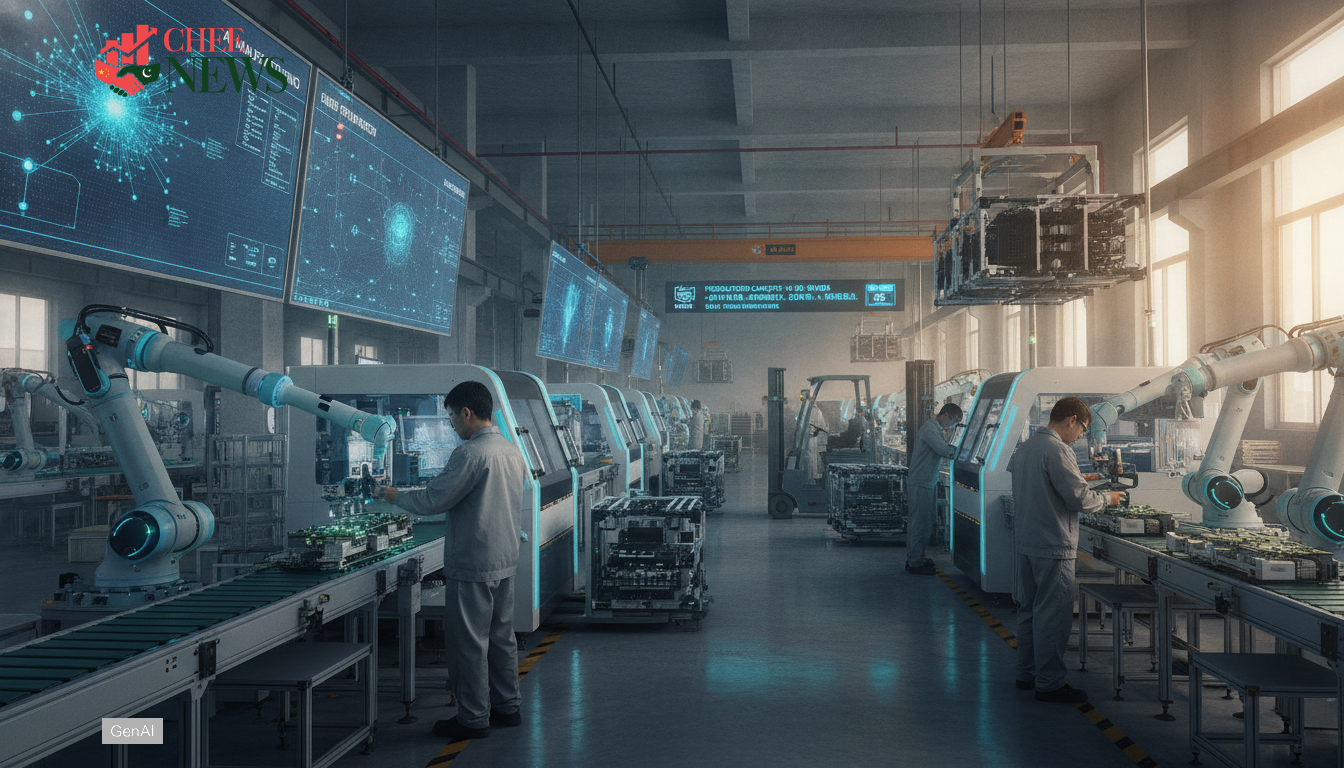
In June, manufacturing conditions were reported to return to growth, suggesting improved sentiment after months of uneven performance. As indicated by available reports, China factory activity was linked to stronger export orders tied to advanced computing products, pointing to demand-led gains rather than stimulus-led support. Various insights described new orders as firmer than earlier in the quarter, noting that some firms indicated better confidence about overseas deliveries. However, based on these reports, the recovery appears selective, with only certain export categories accelerating, which can limit broader industrial confidence across supply chains.
AI export demand lifts utilization and orders
The June pickup was reportedly associated with AI-related export demand, which reportedly pulled more upstream suppliers into tighter production schedules. For regional context on cross-border tech organization, Asean bets on Greater Bay Area technology for AI outlines industry discussions around skills and scaling, with external appetite for AI hardware reportedly helping to lift factory utilization, especially in sectors shipping higher value components on short cycles. In that context, these conditions may benefit exporters with established customer networks and compliance capacity, while traditional product lines may see fewer spillovers.
What China factory activity means for growth and jobs
For policymakers and businesses, this signal matters most for what it can imply about near-term growth, hiring conditions, supplier payments, and local tax receipts. If export-led manufacturing holds through the next quarter, it could help stabilize cash flow for smaller subcontractors linked to electronics assembly and component makers. Related coverage at Chinese factory activity rises on AI export demand follows how China factory activity is shaping manufacturing expectations, alongside a parallel issue of market access because trade rules and technology controls can influence which shipments move smoothly and which face delays.
Global comparisons and the role of regional integration
The June improvement comes as many economies reassess how to anchor industrial competitiveness in higher value manufacturing. In Hong Kong, deeper integration is being promoted as a development lever, and the South China Morning Post reported remarks from the liaison office chief in Hong Kong can develop further with deeper integration, liaison office chief says. That push aligns with export networks routing finance, logistics, and services through regional hubs, according to the SCMP report. In the current discussion, AI-linked orders can reportedly move quickly across borders while still requiring strict coordination on components, testing, and standards for manufacturers.
Outlook and risks for China factory activity
Looking ahead, durability may depend on whether AI-related shipments remain strong and whether factories can convert export momentum into stable operating plans through the second half of the year. Reports suggest June is seen as a return to growth, but firms may be responding to a specific pocket of global demand rather than a broad upswing. Additional context is tracked in China factory activity lifts tech exports, trade outlook, and executives are therefore likely to keep prioritizing efficiency, supplier resilience, and faster iteration cycles. A key risk is concentration, since reliance on a narrow set of product categories can amplify volatility if procurement shifts.

