
Chinese electric vehicle imports europe and EU policy response
Chinese electric vehicle imports europe have become a central issue for regulators weighing how to balance competition, consumer prices, and industrial policy. European officials have been reviewing whether Chinese-made battery electric vehicles benefited from state support that could justify countervailing duties. According to available reports, the inquiry was launched in October 2023 and a provisional tariff decision is expected around mid 2024. The debate is shaped by fast-rising Chinese brand visibility across major EU markets and broader concerns about supply chain concentration in batteries and key components, as indicated by industry groups and policymakers. Against that backdrop, European importers, dealers, and consumers are watching for clearer timelines on any new duties, as well as possible exemptions or carve-outs that could be tied to model pricing bands, local assembly, or firm-specific cooperation during the investigation.
Market impact and pricing pressure in Europe
Pricing is a key channel through which Chinese-made EVs are felt in Europe. For a broader view of how EU cooperation and trade tensions are being managed in parallel policy tracks, see China-EU research collaboration renewed amid trade tensions, as analysts tracking registrations have pointed to rapid share gains in entry and mid-range segments where incentives and total cost of ownership matter most, especially for fleet buyers, though estimates vary by country and data provider. Automakers operating in Europe have argued that a sudden duty hike could disrupt model rollouts and force price resets, while others say stronger defenses are needed to protect investment in EU battery plants and local supply chains, as industry representatives have said publicly. Companies are also preparing for compliance checks that could include origin declarations and battery sourcing documentation, according to trade advisors.
How the US Senate debate intersects with Europe
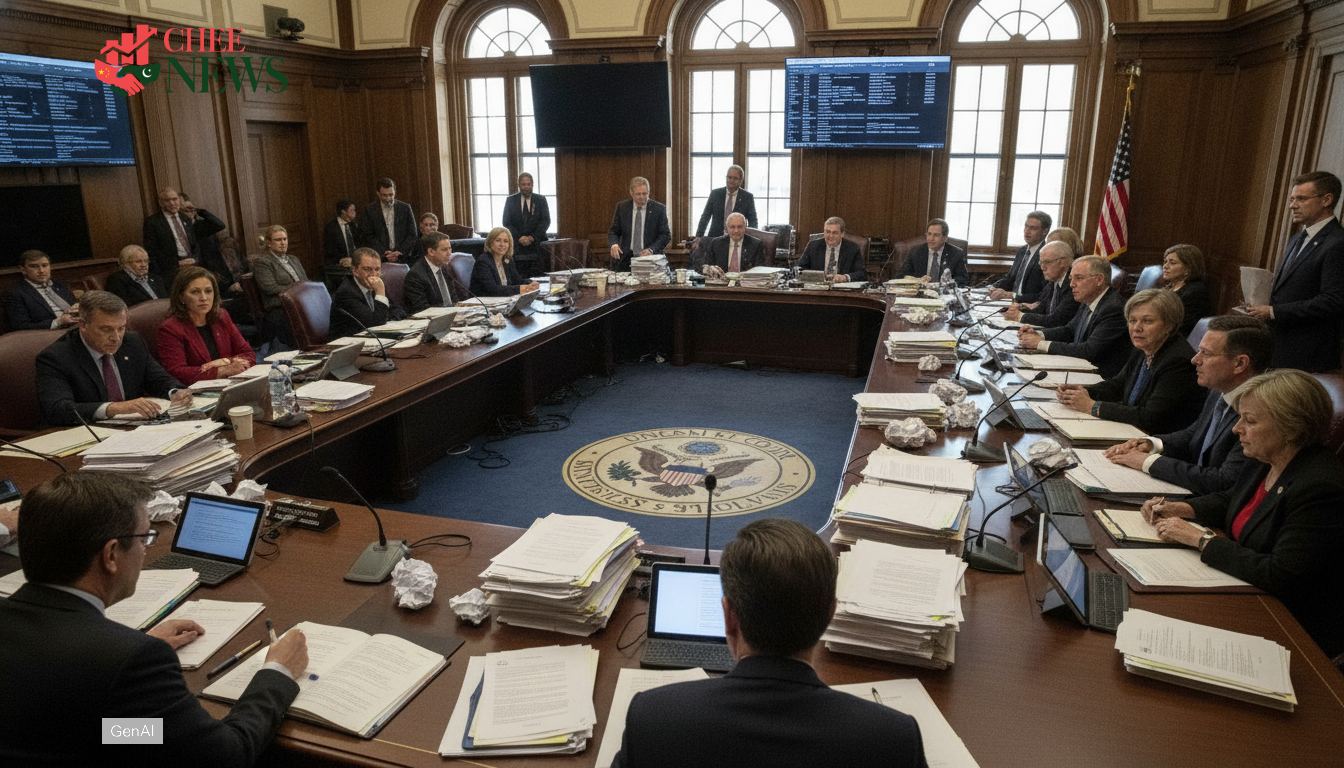
US lawmakers are simultaneously pushing tighter scrutiny of vehicle-related imports tied to connected systems, arguing that data access and software control can pose national security risks. A US Senate panel has been moving toward a vote on legislation that would increase oversight of certain China-linked vehicle components and connected-car technology, according to Reuters. While the bill is US-focused, it is often discussed alongside Chinese electric vehicle imports Europe because both debates revolve around how to regulate technology-rich products without destabilizing supply chains. Firms selling across jurisdictions may face parallel compliance programs covering telematics modules, remote access features, and vendor audits, raising costs that can ultimately show up in retail pricing, according to industry analysts.
Industry reactions and compliance planning
Automakers and suppliers are calibrating messaging as governments consider tougher trade tools. European-based brands have pressed for predictable duty schedules and transition periods, while some Chinese manufacturers emphasize certification, cybersecurity controls, and third-party testing as alternatives to broad restrictions, according to company statements and trade groups. The broader trade context is also being shaped by other policy discussions, including China EU trade balance focus as minister meets EU and technology controls such as China Weighs AI Export Controls for Chips and Models, as US industry groups have asked for clearer definitions so compliant products are not swept into bans that also hit mixed-origin parts, according to public comments and association filings. Legal specialists also note that any new measures must align with WTO rules, EU trade defense procedures, and established US customs and national security authorities.
What to watch next for import rules and trade policy
For Chinese electric vehicle imports Europe, the next milestones are the EU’s provisional duty decision window that officials have indicated could fall around mid 2024 and any subsequent definitive measures that could follow later if the investigation confirms actionable subsidization. Market participants will be watching for firm-specific rates, possible price undertakings, and how rules treat vehicles shipped from Chinese-owned plants outside China, as trade lawyers have noted. In the US, the timing of any committee vote and the final scope of connected-car restrictions matter for suppliers of sensors, infotainment, and telematics hardware, though the legislative calendar can shift. Even before formal changes, uncertainty can shift sourcing decisions as companies hedge against compliance risk and reprice long-term contracts, according to executives and analysts. The combined effect is a tighter regulatory environment in which automakers may need to document origin, software governance, and data-handling practices across regions.

