
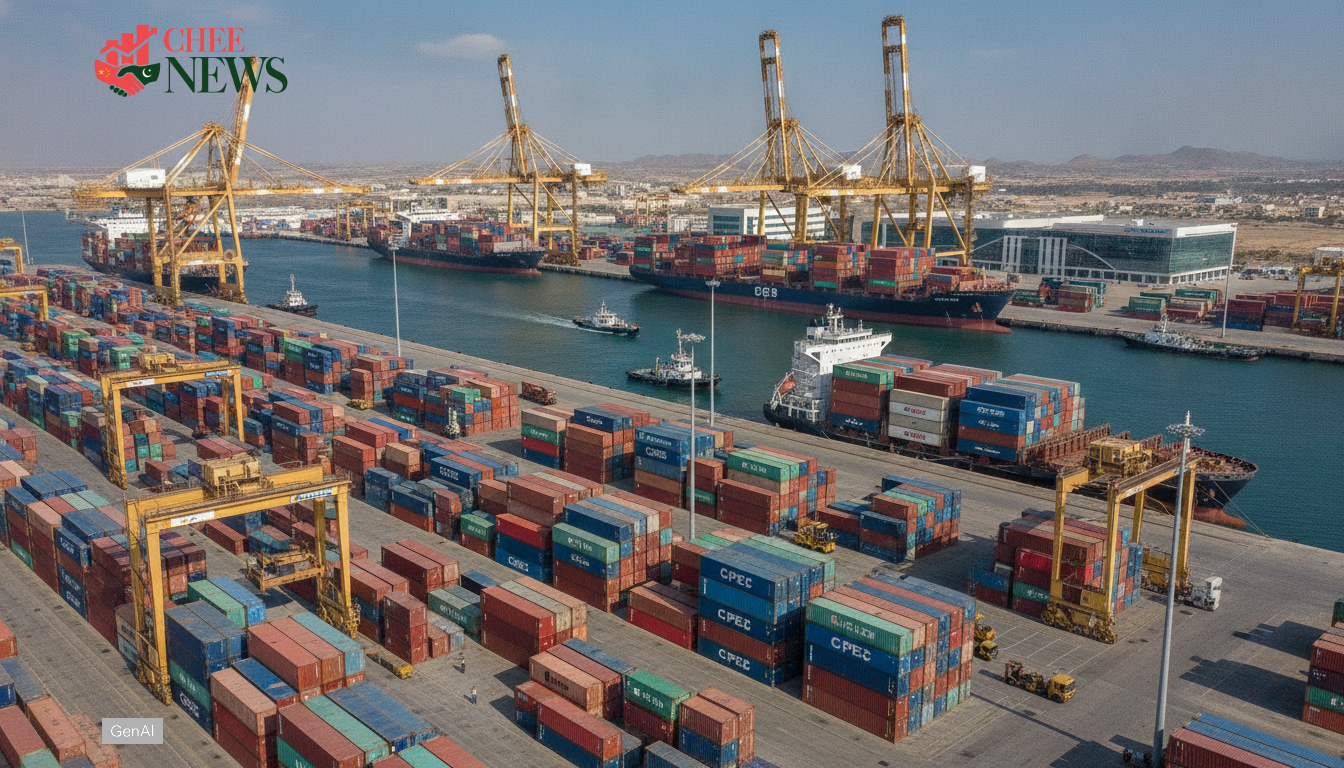
CPEC 2.0: Opportunities for Pakistan
According to available reports, CPEC 2.0 is being positioned as a delivery focused phase, with Islamabad signaling that new corridor commitments should come with clearer project selection, timelines, and measurable outcomes. The Express Tribune reported that officials on both sides want to broaden cooperation into investment facilitation, agriculture, technology, and industrial development. Policymakers are linking proposed work to export-oriented manufacturing and services that can earn foreign exchange and ease balance of payments pressure. In this framing, the priority is to convert connectivity into operating businesses inside special economic zones, and CPEC 2.0 is being tied to predictable regulation that supports private investment. Ministries have also pointed to employment outcomes and local supplier participation as benchmarks for whether projects are approved and accelerated.
China’s Strategic Goals in CPEC
Beijing is aligning corridor cooperation with regional connectivity and industrial capacity objectives, while seeking more reliable operating conditions for Chinese firms in Pakistan. The Express Tribune said the agenda includes expanding sectoral cooperation and improving mechanisms that support implementation and financing. That brings technical discussions on standards, customs processes, and dispute resolution so projects move from planning to operations with fewer delays, with a related diplomatic context visible in major forums including coverage such as SCO Summit: China-Russia strategic ties deepen. In parallel, official messaging emphasizes long-term partnership rather than one-off megaproject announcements. This framing is often presented as part of wider Eurasian policy debates where infrastructure and security interests intersect.
Impacts on Local Communities
Provincial administrations are being pushed to show tangible gains where projects affect daily life, including logistics jobs, supplier contracts, and skills training linked to industrial sites. The Express Tribune described the new phase as widening cooperation, which raises expectations that communities near routes and zones will see more stable employment than short construction booms. Local impacts will hinge on how small and medium enterprises are integrated into supply chains and whether vocational programs match incoming factory needs, and coverage of people-to-people links including CPEC Cultural Bridge: Pakistan-China Ties Grow highlights how social ties can influence project durability. Public acceptance also depends on transparent land acquisition and resettlement processes, since disputes can stall schedules, particularly around industrial sites in Punjab and Sindh. These on-the-ground factors can shape whether promised job gains translate into durable community support.
Challenges and Obstacles
Execution risks remain central, including security conditions, payment arrears, and governance gaps that have previously delayed schedules and raised costs. The Express Tribune noted the intent to deepen cooperation, but deeper cooperation also requires tighter coordination across ministries and provinces so permits, utilities connections, and right-of-way issues do not compound. Another obstacle is credibility with private investors, who typically require consistent tax treatment and contract enforcement before committing capital to industrial operations. The policy and financing environment also shapes project pacing, and signals highlighted in China policy financing 2026 starts early for growth help explain why timing and funding clarity matter to developers and lenders. Without these fixes, announced targets can outpace delivery capacity, especially when milestone dates slip by multiple quarters.
Future Prospects of CPEC 2.0
The next phase is likely to be judged by whether it shifts from state-led construction to commercially viable operations that keep factories running and logistics moving. The Express Tribune framed CPEC 2.0 as a push to broaden cooperation, setting a benchmark for measurable outcomes such as new joint ventures, export contracts, and steady throughput in connected transport nodes. For Pakistan, the opportunity is to translate corridor connectivity into competitive production while keeping macroeconomic policy stable enough for multi-year planning, and CPEC 2.0 is expected to be assessed against published implementation timelines and SEZ level commissioning progress. For China, the payoff is a more resilient partner corridor that supports regional connectivity and predictable conditions for firms. If both sides institutionalize project screening and publish clearer implementation timelines, cooperation can move from episodic agreements to repeatable delivery.

