
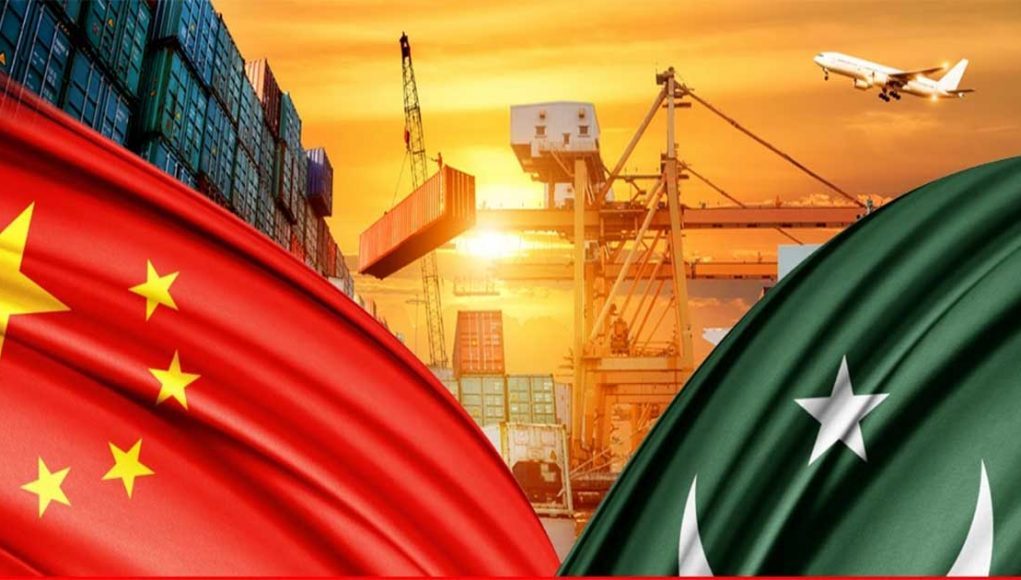
Overview of CPEC Phase-II
Pakistan and China have again put CPEC Phase-II at the center of their bilateral agenda, framing the next stage as delivery-focused rather than ceremonial. The latest reaffirmation, highlighted by Mettis Global, signals continuity in policy coordination and a clear preference for projects that can be financed, built, and operated with measurable outcomes. What stands out is the sharper emphasis on productivity, exports, and institutional follow-through, with planning expected to align federal commitments with provincial execution. This phase also places greater weight on governance, sequencing, and risk controls so timelines do not slip and cost overruns do not dilute returns. In practical terms, it is a pivot toward performance benchmarks, tighter inter-agency coordination, and project selection that supports long-run macro stability and jobs.
China-Pakistan Collaboration
The China-Pakistan Economic Corridor remains the formal platform, but the collaboration now reads more like a working partnership built around implementation discipline. Officials on both sides are stressing continuity of engagement through joint mechanisms that review progress, address bottlenecks, and keep investment pipelines active. For readers tracking Pakistan’s external financing environment, the important detail is that recommitment helps reduce uncertainty for counterparties, contractors, and lenders evaluating Pakistan exposure. At the same time, the message is not purely financial; it is also political signaling that the corridor remains a strategic priority, even as Pakistan balances multiple economic pressures. For related reporting on how cooperation tracks are evolving, see CPEC 2.0 signals new cooperation tracks ahead. International context is also being followed closely via Google News coverage of the Pakistan-China CPEC phase-II recommitment.
Key Projects and Developments
Phase-II is being defined by a pipeline that leans into sustainable projects and industrial capacity, rather than simply expanding the asset base. The focus is increasingly on special economic zones, logistics efficiency, value-added manufacturing, and energy reliability that supports round-the-clock production. This is where the narrative shifts from building corridors to generating competitive exports and import substitution through functioning industrial clusters. The operational question is whether projects are packaged with clear revenue models, land readiness, and utility connections so investors see bankable conditions on day one. Coverage of acceleration themes and execution priorities is detailed in CPEC Phase II: Acceleration, Impact, and Next Steps. For technical updates and official project briefs, industry watchers regularly consult CPEC information resources and project updates to track tendering and institutional milestones.
Economic and Strategic Impacts
The economic growth argument in this phase is less about headline investment totals and more about how corridor-linked reforms change productivity. When industrial parks operate with dependable power, predictable customs processes, and faster inland freight, firms can quote tighter delivery windows and compete in time-sensitive markets. That translates into foreign-exchange earnings, broader tax bases, and steadier employment. Strategically, recommitment also aims to reduce the “stop-start” problem that has historically raised Pakistan’s country-risk premium; a consistent project rhythm supports confidence across supply chains, from cement and steel to services. A deeper look at uplift channels and how benefits are expected to spread through the economy is explained in CPEC Phase II gains: Pakistan’s economic uplift. The key test will be whether enabling policies keep pace with construction so assets translate into output.
Future Prospects of CPEC
Future prospects will hinge on whether Pakistan can institutionalize delivery standards that keep projects on schedule and within budget while ensuring transparency that satisfies domestic scrutiny. Phase-II success also depends on resolving practical constraints that have nothing to do with diplomacy: land acquisition timelines, municipal services around industrial zones, and predictable tariff and tax regimes. If those fundamentals are handled, corridor-linked investments can move from episodic announcements to repeatable industrial expansion. This phase is also expected to widen the lens toward climate and efficiency, because financing is increasingly sensitive to environmental and social safeguards, especially for infrastructure. For an additional perspective on how Pakistan and China are framing next-stage growth priorities, see CPEC Phase II: Pakistan-China Drive for Growth. The reporting signal is clear: outcomes will be judged in shipments, jobs, and sustained operating performance.

