
Overview of CPEC and Its Goals
The China-Pakistan Economic Corridor has shifted from a headline-grabbing development banner to a test of state capacity, because every major tranche now comes with tighter conditions, stricter timelines, and more scrutiny over implementation. Official goals still read as connectivity, energy reliability, and industrial upgrading, yet the story on the ground is about how projects are managed, secured, and financed in an era of elevated risk. The corridor’s earlier phase leaned on power generation and transport arteries; the newer phase is shaped by operational continuity, investor assurance, and governance discipline. Reporting around CPEC increasingly focuses on compliance, protection of personnel, and the credibility of Pakistan’s delivery systems as the deciding factor for pace and scope.
China’s Security Demands: Impact on Pakistan
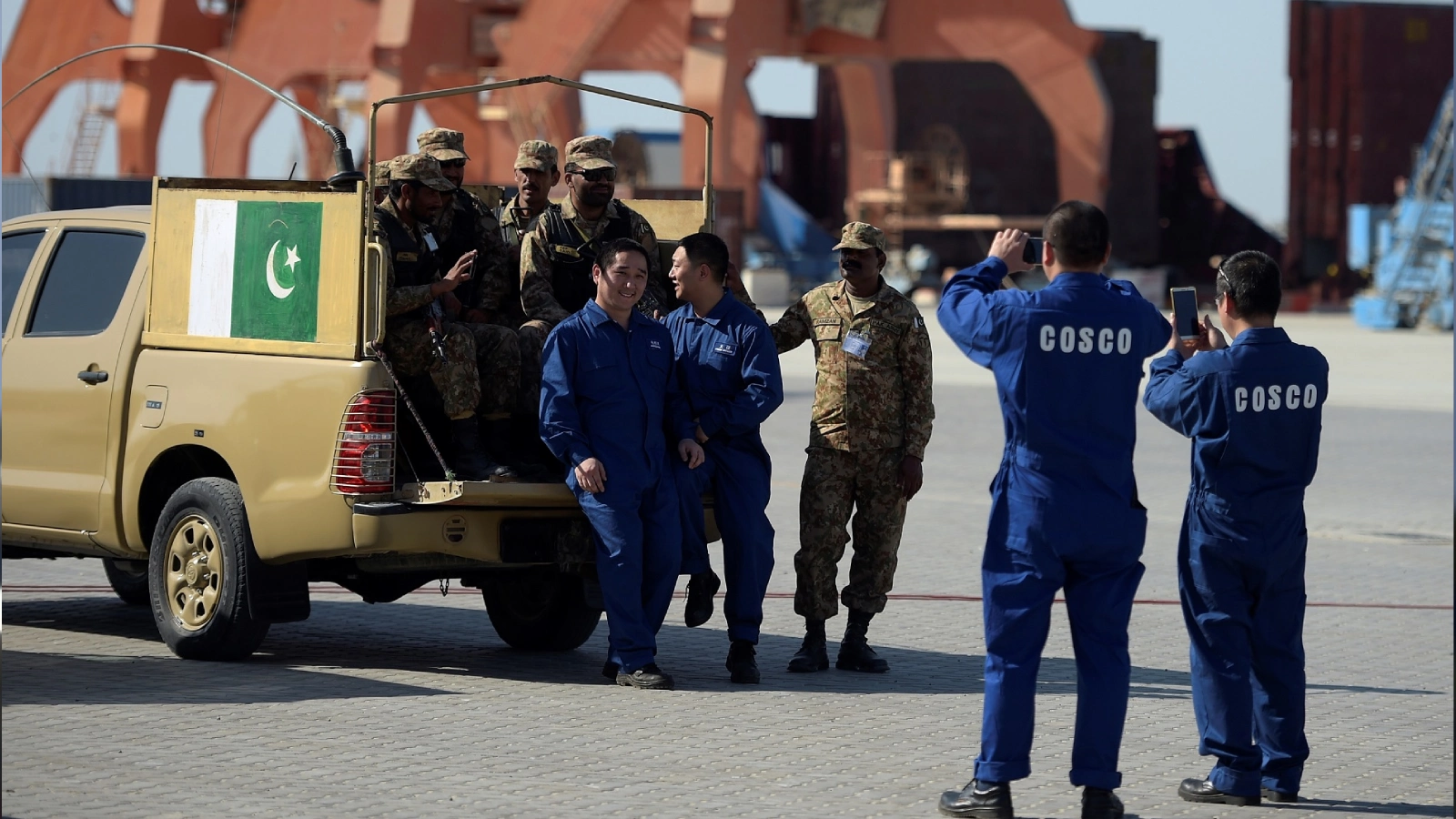
CPEC security has become the hinge point of bilateral negotiations, and that reality compresses Pakistan’s room for maneuver across civil-military coordination, policing, and provincial administration. China’s expectations now extend beyond guards and checkpoints into predictable procedures, rapid incident response, and demonstrable deterrence against sabotage, which can pull resources from other domestic priorities. The shift also widens the audit trail on how Pakistan allocates forces, procures equipment, and organizes escorts, because gaps expose the entire investment pipeline to delays. In parallel, security talk hardens the political atmosphere around the corridor, encouraging secrecy and top-down decision-making that can weaken public buy-in. For context on how infrastructure has been framed as long-term statecraft, see BRI infrastructure in Pakistan and CPEC’s lasting mark.
Strategic Space: What’s Changing for Pakistan?
Pakistan strategy is being recalibrated as CPEC-linked protection requirements intersect with diplomacy, internal cohesion, and crisis management. When a partner’s security red lines become prerequisites for project continuation, Islamabad’s strategic space narrows in subtle but meaningful ways: choices on where to deploy elite units, how to message threats, and which local actors get accommodation become matters watched closely by Beijing. That attention can complicate Pakistan’s balancing acts with other external partners who read the corridor through a geopolitical lens. It also shapes how Pakistan frames sovereignty, because the optics of foreign-driven security priorities can trigger domestic criticism and provincial sensitivities. Developments in the second phase show this pressure in practice, tracked in CPEC Phase-II developments and the recommitment.
Balancing Economic Benefits and Strategic Concerns
China investment remains a major economic lever, but the balance sheet must be judged against the full cost of risk mitigation, project slowdowns, and reputational exposure when attacks occur. The economic upside is clearest where power reliability improves and logistics bottlenecks ease, yet those gains can be diluted if security spending expands without parallel reforms in contract transparency, dispute resolution, and local stakeholder engagement. A corridor framed as transformative also raises expectations on jobs and industrial activity; unmet promises intensify political friction that itself becomes a security variable. Pakistan’s challenge is to keep the economic narrative credible while acknowledging that security-related conditionality is shaping procurement, scheduling, and even site selection. Broader regional coverage often situates these trade-offs within BRI dynamics, including analysis published by Eurasia Review.
Future Outlook: Navigating the Path Ahead
The forward path hinges on whether Pakistan can institutionalize protection and governance so the corridor is less hostage to episodic crises and ad hoc fixes. That means clearer command chains, consistent standards across provinces, and tighter accountability for contractors and officials, because investors interpret routine competence as the strongest security signal. It also means Pakistan must communicate a coherent national line that prevents CPEC from becoming a proxy battleground in domestic politics, which would further inflate risk premiums. Momentum narratives around CPEC 2.0 suggest the relationship is moving toward industrial zones and services, but only if implementation credibility improves; follow that shift through the CPEC 2.0 industrial phase and how Pakistan and China deepen economic ties. State-linked Chinese coverage also frames the corridor’s risk-management push as standardization, as seen on CGTN.

