
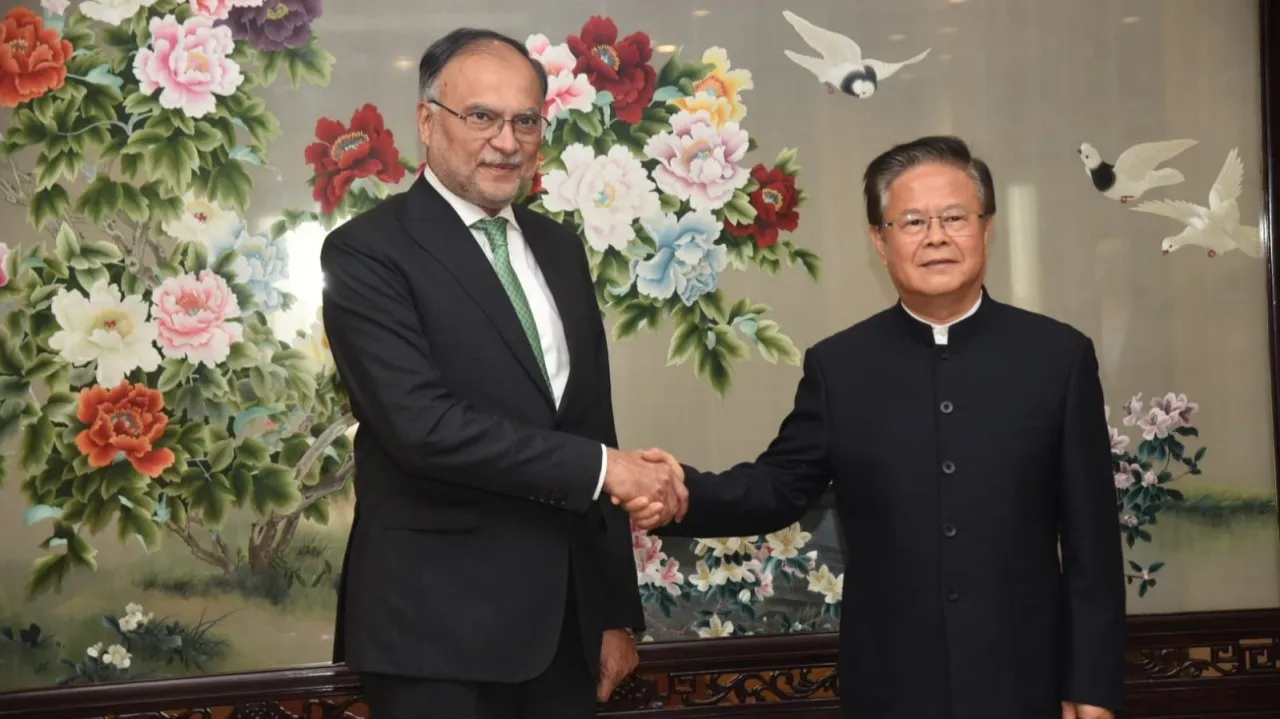
The China Pakistan Economic Corridor is entering a phase where energy security, trade expansion, and technology cooperation are becoming the main engines of collaboration. After years of focusing on physical infrastructure, both countries are now looking to deepen economic ties in ways that support long term resilience and modernization.
Energy remains a foundational pillar of this next chapter. Early CPEC projects helped Pakistan address chronic power shortages that once constrained economic activity. While new generation capacity has eased supply pressures, attention is now shifting toward efficiency, grid stability, and diversification. Renewable energy projects, including solar and wind, are increasingly discussed as Pakistan seeks to balance growth with environmental concerns and reduce dependence on imported fuels.
Trade is another area gaining renewed emphasis. Improved connectivity under CPEC has lowered transport costs and shortened delivery times, but policymakers now want to translate these gains into higher trade volumes and more diversified exports. Discussions increasingly focus on facilitating cross border logistics, simplifying customs procedures, and aligning standards to make it easier for Pakistani products to access regional and global markets.
Technology cooperation is emerging as a newer but increasingly important dimension. Chinese firms are exploring opportunities in telecommunications, digital infrastructure, and smart logistics. For Pakistan, this presents a chance to accelerate digital transformation and improve productivity across sectors such as manufacturing, agriculture, and services. Technology partnerships are also seen as a way to help small and medium sized enterprises integrate into larger supply chains.
The combination of energy, trade, and technology reflects a more integrated vision of development. Rather than treating these areas separately, CPEC planners are increasingly linking them together. Reliable energy supports industrial activity, improved trade connectivity expands markets, and technology enhances efficiency and competitiveness. Together, they form a framework aimed at sustainable growth rather than short term gains.
Challenges persist. Energy sector reforms remain politically sensitive, trade competitiveness is constrained by structural issues, and technology adoption depends on skills and regulatory readiness. Coordination between multiple government agencies and alignment between federal and provincial priorities also remain complex tasks.
There are also questions about inclusivity. Ensuring that technological advances and trade benefits reach smaller businesses and less developed regions will be critical to maintaining public support. Without deliberate efforts to spread gains, disparities could widen even as headline indicators improve.
Despite these obstacles, the evolving focus of CPEC suggests a maturing partnership. It signals a move away from headline driven projects toward deeper economic integration. For China, it offers stable long term engagement in a strategically important partner. For Pakistan, it provides tools to modernize its economy in an increasingly competitive regional environment.
As energy systems become cleaner, trade networks more efficient, and technology more embedded in daily economic activity, this phase of CPEC may prove less visible but more transformative. Its success will depend on steady implementation and the ability of both sides to adapt cooperation to changing global and domestic conditions.

