
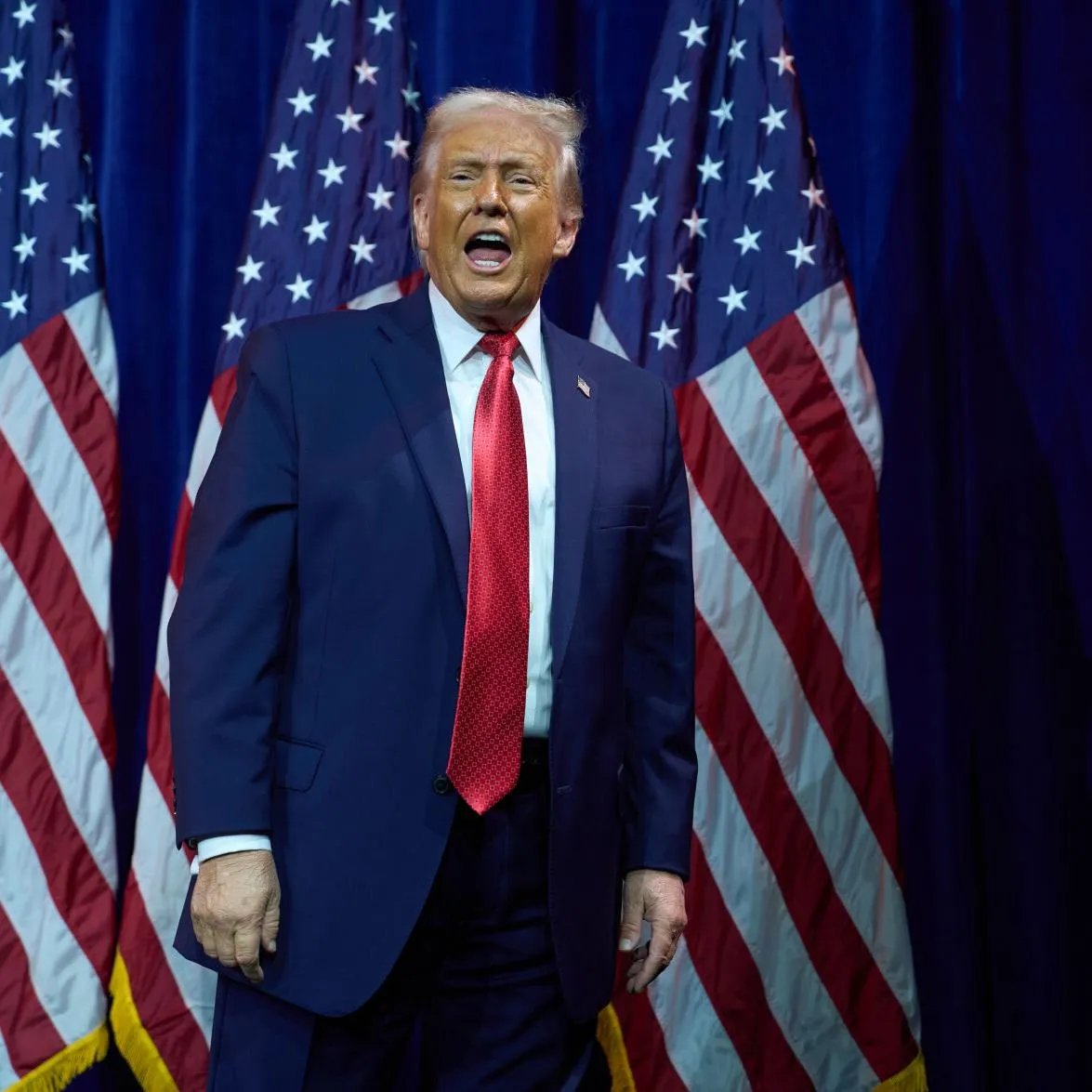
U.S. President Donald Trump said on Tuesday that interim authorities in Venezuela will transfer between 30 million and 50 million barrels of oil to the United States, a claim that has immediately drawn attention from energy markets and foreign policy observers. The announcement, made through Trump’s social media platform, framed the move as a way to manage sanctioned Venezuelan oil while directing proceeds toward what he described as the interests of both countries.
According to Trump, the oil will be sold at market prices, with the revenue controlled by the U.S. administration. He argued that this arrangement would ensure the funds are used responsibly and benefit the people of Venezuela as well as the United States. The statement did not provide detailed information on the legal framework, logistics, or timeline for the transfer, leaving key questions unanswered.
Venezuela holds some of the world’s largest proven oil reserves, but its production has fallen sharply over the past decade. Economic mismanagement, infrastructure decay, and international sanctions have severely limited output and export capacity. Any movement of tens of millions of barrels would therefore represent a notable event, even if spread over time.
Energy analysts note that while 30 to 50 million barrels sounds substantial, the volume would have a limited impact on U.S. consumption if delivered gradually. The United States consumes far more oil on a daily basis, meaning the practical market effect could be modest. However, the political symbolism of the announcement is far more significant than the supply implications.
The statement also highlights the broader political context surrounding Venezuela. The country remains deeply divided, with competing claims to legitimacy and intense international scrutiny. Control over oil revenue has long been at the center of Venezuela’s crisis, making any external involvement in its energy sector highly sensitive.
Critics argue that allowing a foreign government to control proceeds from Venezuelan oil raises serious questions about sovereignty and international law. Supporters of the move, however, say it could prevent misuse of funds and potentially provide economic relief if managed transparently. Trump’s comments suggest the arrangement is being presented as a temporary and controlled measure rather than a permanent shift in ownership.
The announcement also risks adding tension to already complex global energy and diplomatic relationships. Venezuela has historically supplied oil to a range of international partners, and any redirection of crude could influence geopolitical alignments. Observers say the move may further complicate relations between the United States and countries that oppose external intervention in Venezuela’s affairs.
Market reaction following Trump’s comments was cautious rather than dramatic. Traders appeared to be waiting for concrete details before reassessing supply expectations. Without clear confirmation from Venezuelan authorities or formal documentation, uncertainty remains high.
As with many policy statements delivered through social media, the practical outcome will depend on follow up actions, legal clarity, and international response. For now, Trump’s claim has injected fresh uncertainty into discussions about Venezuela’s future and the role of oil in global power politics.

