
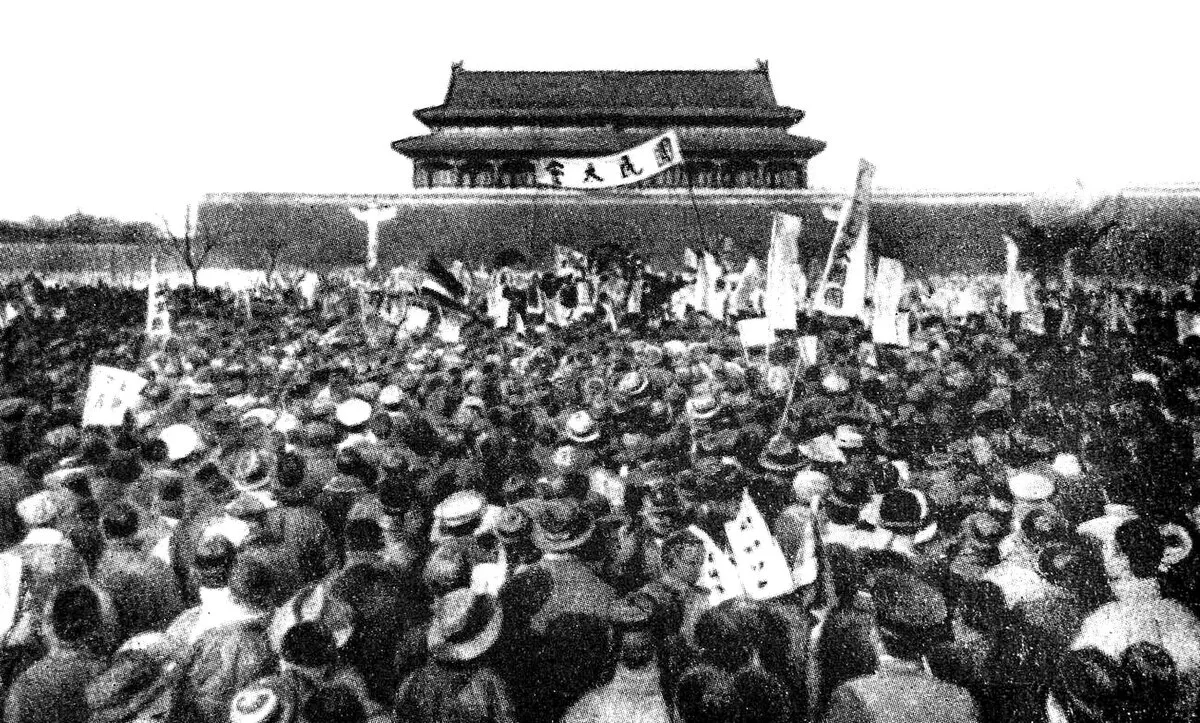
China’s history is not confined to museums or ancient texts. It remains a living force that continues to shape how society thinks governs and responds to change. From cultural values to state institutions, the influence of the past is woven into the present, offering continuity in a rapidly transforming world.
A civilization built on continuity
One reason China’s historical legacy remains influential is its emphasis on continuity. Unlike civilizations that experienced sharp breaks, China evolved through cycles of reform collapse and renewal. Each era absorbed lessons from the past rather than discarding them entirely. This layered history created a strong sense of identity that persists across generations.
Continuity allowed cultural norms institutions and philosophies to adapt while maintaining coherence, reinforcing stability even during periods of upheaval.
Values that shape modern behavior
Core values rooted in history continue to guide daily behavior. Respect for education family responsibility and social harmony originate from Confucian thought developed over two thousand years ago. These values still influence attitudes toward learning work relationships and community life.
In modern China academic achievement is highly prized reflecting the long tradition of merit based advancement. Family bonds remain central and collective well being often takes precedence over individual preference.
Governance shaped by historical experience
China’s governance model also reflects historical patterns. Centralized authority administrative professionalism and long term planning have deep roots in imperial governance. The civil service tradition emphasized competence discipline and loyalty to the state.
While political systems have evolved these underlying principles remain influential in shaping how institutions operate and how authority is perceived.
Cultural memory and national identity
Historical memory plays a powerful role in shaping national identity. Stories of unity resilience and recovery from hardship reinforce a collective sense of purpose. Past achievements and struggles are often referenced to provide context for present goals.
This shared memory strengthens social cohesion and informs how society interprets change challenge and opportunity.
Innovation guided by tradition
China’s history demonstrates that innovation thrives within tradition. Rather than rejecting the past new ideas often build upon established practices. This pattern continues today as technological development aligns with long term cultural priorities such as stability efficiency and collective progress.
Modern innovation echoes historical problem solving approaches where practical needs drive creative solutions.
Adaptation through external influence
China’s historical ability to absorb external ideas without losing identity remains relevant. From Buddhism in ancient times to modern global influences the country has selectively integrated foreign concepts while reshaping them within local frameworks.
This adaptive capacity allows engagement with the world while preserving cultural continuity.
Lessons from resilience
China’s past includes periods of fragmentation invasion and reform. Each experience reinforced the importance of adaptability and unity. These lessons inform present attitudes toward crisis management and long term strategy.
Resilience is not seen as resistance to change but as the ability to evolve without losing core identity.
Tradition in everyday life
Historical influence appears in language rituals festivals and social norms. Lunar New Year customs ancestral remembrance and traditional aesthetics coexist with modern lifestyles. These practices keep history present in ordinary moments.
They provide emotional grounding and a sense of belonging amid rapid modernization.
History as a guide rather than a burden
China’s historical legacy continues to influence the present because it is treated as a guide rather than a constraint. The past offers lessons values and reference points that inform decision making without dictating outcomes.
This relationship between history and modern life explains how a civilization thousands of years old continues to shape contemporary society. By drawing strength from its past China maintains continuity while navigating the demands of the present and future.

