
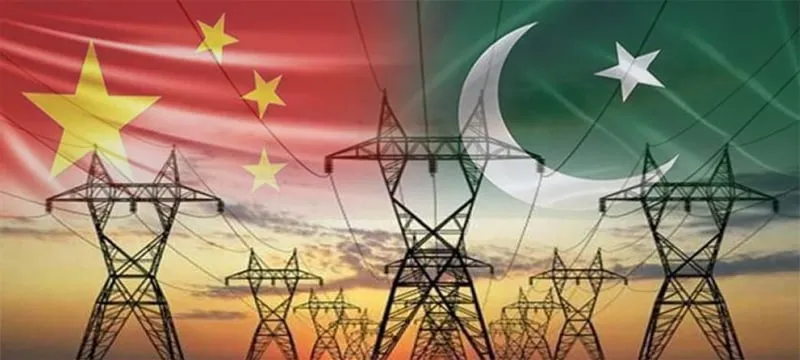
On September 26, 2025, Shanghai Electric and Pakistan’s government announced an expansion of their collaborative efforts to advance the China-Pakistan Economic Corridor (CPEC), emphasizing energy development and talent cultivation as the primary drivers for the next phase of the corridor. The announcement, made during high-level meetings in Beijing, underscores the growing strategic and economic partnership between Pakistan and China, highlighting the critical role of energy infrastructure and human capital development in Pakistan’s pursuit of sustainable growth and industrial modernization.
CPEC, a flagship initiative under China’s Belt and Road Initiative, has transformed Pakistan’s economic landscape over the past decade. The first phase of the corridor focused heavily on infrastructure, including the construction of highways, power plants, and Gwadar Port development, creating a strong foundation for industrial activity and regional trade. With energy shortages being a persistent challenge for Pakistan’s industries and urban centers, Shanghai Electric’s continued engagement is central to ensuring that the country can meet its growing demand for electricity while simultaneously supporting large-scale industrial expansion.
The renewed cooperation places a particular emphasis on renewable and conventional energy projects. Shanghai Electric has committed to providing advanced technology and expertise in solar, wind, and hydroelectric projects, while simultaneously upgrading existing coal and gas-powered plants for higher efficiency and lower emissions. This dual approach not only aims to increase energy output but also aligns with Pakistan’s long-term environmental and sustainability goals. Officials emphasized that reliable and clean energy supply is essential for the successful implementation of CPEC’s second phase, which seeks to prioritize industrial cooperation, technological advancement, and economic diversification.
Equally significant is the focus on human capital development. Recognizing that infrastructure and technology alone cannot drive sustainable growth, Shanghai Electric and Pakistani authorities have outlined programs for training engineers, technicians, and industry professionals. These initiatives include specialized training courses, joint research programs, and scholarship opportunities for Pakistani students to study in Chinese institutions, particularly in fields such as energy engineering, smart grid management, and industrial automation. By developing a skilled workforce, both countries aim to ensure that local professionals can operate, maintain, and innovate upon the technology being deployed across the corridor, thereby embedding long-term expertise within Pakistan’s economy.
The collaboration also highlights the integration of energy projects with broader industrial development. Several Special Economic Zones (SEZs) along CPEC corridors are slated to receive dedicated energy infrastructure support from Shanghai Electric, ensuring that industries operating within these zones have uninterrupted access to power. This approach aims to foster industrial competitiveness, attract foreign investment, and encourage the development of high-value manufacturing sectors such as electric vehicles, electronics, and pharmaceuticals. By coupling energy reliability with industrial expansion, Pakistan can position itself as a regional hub for manufacturing and technology-driven industries.
Another important aspect of the partnership is the modernization and digitalization of Pakistan’s energy systems. Shanghai Electric will provide expertise in smart grid technologies, advanced monitoring systems, and energy management platforms, enabling Pakistan to optimize energy distribution, reduce losses, and improve overall efficiency. These technological enhancements will support not only industrial growth but also urban electrification and rural energy access, creating a more balanced and inclusive development trajectory for the country.
The strategic cooperation between Shanghai Electric and Pakistan has significant economic and social implications. The development of robust energy infrastructure facilitates industrial expansion, which in turn generates employment, strengthens export potential, and stimulates local economies. The training and development of human capital further ensure that these benefits are sustainable and widely distributed. In rural areas, energy access and job creation through industrial projects contribute to poverty reduction and improved quality of life, demonstrating the tangible impact of coordinated investment and development.
Regional implications are also noteworthy. By ensuring that energy and talent are central to the expansion of CPEC, Pakistan and China are enhancing connectivity and economic integration within South Asia. The corridor not only strengthens bilateral trade but also provides opportunities for neighboring countries to participate in economic activities, creating a more interconnected regional economic ecosystem. Infrastructure, energy, and industrial collaboration foster stability and prosperity, contributing to broader geopolitical and economic objectives in alignment with the Belt and Road Initiative.
Security and operational oversight are critical to the success of these projects. Both Chinese and Pakistani authorities have emphasized the importance of protecting CPEC infrastructure, personnel, and investment assets. Enhanced security measures, monitoring protocols, and risk management frameworks are being implemented to ensure the smooth and uninterrupted execution of energy projects. These measures provide confidence for both investors and local communities, reinforcing the credibility and viability of long-term development initiatives.
In addition to immediate project outcomes, the partnership aims to cultivate a culture of innovation and technological advancement. Joint research and development centers are being established to explore cutting-edge solutions in energy efficiency, renewable integration, and industrial automation. By fostering innovation, the collaboration ensures that Pakistan’s energy and industrial sectors remain competitive on a regional and global scale. These initiatives also promote knowledge exchange, encourage entrepreneurship, and provide avenues for young professionals to contribute meaningfully to national development.
conclusion
The deepening cooperation between Shanghai Electric and Pakistan represents a critical milestone in the evolution of CPEC. By prioritizing energy development and talent cultivation, both nations are addressing two fundamental pillars necessary for sustainable industrial growth and economic transformation. The integration of advanced energy systems, industrial support infrastructure, and human capital development creates a holistic framework that benefits Pakistan’s economy while reinforcing China’s strategic role as a partner in development. As CPEC Phase-II progresses, the collaboration demonstrates a model of strategic foresight, technical expertise, and mutual commitment, ensuring that the corridor remains a catalyst for economic prosperity, regional integration, and long-term stability. Through these initiatives, Pakistan is poised to harness the full potential of CPEC, transform its industrial landscape, and solidify its role as a key player in regional trade and technology-driven growth, while China continues to strengthen its position as a trusted partner in advancing sustainable development across Asia.

