
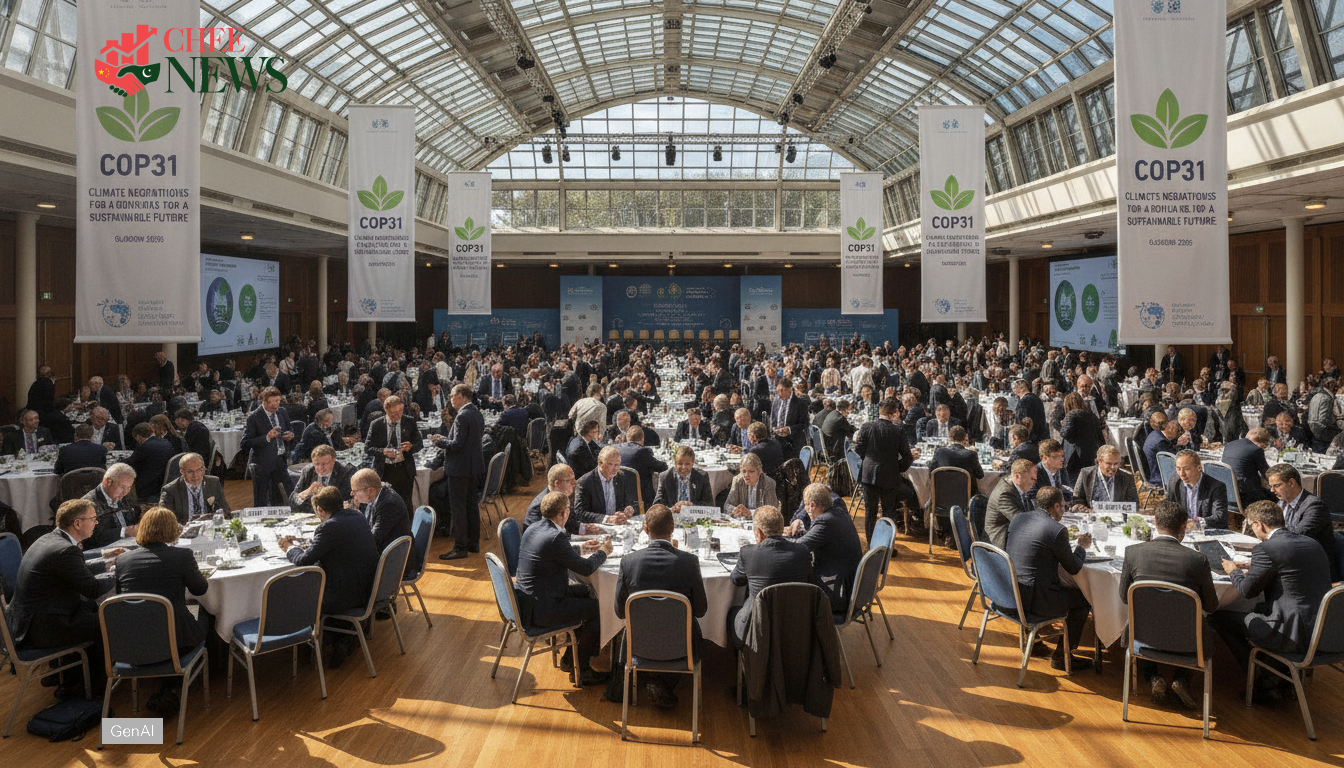
China’s Strategy on Cleantech Tariffs at COP31
Cleantech tariffs are set to be a central issue in China’s COP31 strategy, as Beijing frames certain duties on clean energy goods as discriminatory trade barriers. According to reports, China plans to press counterparts to separate climate cooperation from tariff tools that, in its view, increase the cost of decarbonisation equipment. China is positioning its COP31 engagement around trade rules that shape energy transition supply chains, with an emphasis on predictable market access for solar, batteries, and electric vehicles. The message to negotiators is that faster deployment depends on stable cross border flows of components and raw materials, even as governments pursue domestic industrial policy goals.
What the COP31 tariff dispute means for trade rules
The trade impact extends beyond the COP venue because tariff disputes can shift investment decisions, reorder sourcing, and delay contracts for manufacturers and utilities. As suggested by sources, China’s posture on cleantech tariffs is intended to contest restrictions tied to green exports while keeping the debate anchored in multilateral processes. A parallel signal appears in domestic messaging, which highlights how officials are also discussing import structure and demand, on China trade policy: Li Qiang flags import shift. China is likely to argue that climate targets require open markets for inputs and finished goods, while other governments defend duties as responses to subsidised competition.
Costs and supply chain impact for clean technology
For manufacturers and project developers, the immediate question is whether tariff escalation fragments clean technology supply chains and pushes procurement costs higher. Reports frame Beijing’s pushback as part of a broader effort to keep cleantech tariffs from slowing green goods flows with fewer trade barriers, while opposing targeted duties. Even when tariffs do not block trade outright, they can shift assembly to third countries, change supplier selection, and compress margins for exporters. Those pressures feed through to project pricing and timelines for solar farms, grid storage, and vehicle fleets. The stakes are underscored by export trends, where market access disputes can quickly affect volumes, tracked in China electric vehicle exports hit 2025 record pace.
International reactions to cleantech tariffs and subsidies
Responses at COP31 in late 2025 are expected to split along industrial policy lines, with governments balancing domestic manufacturing goals against affordability for rapid deployment. Reports suggest that China will challenge measures aimed at its green exports, while counterparts are likely to defend tariffs as safeguards against perceived state backed price advantages. In these arguments, cleantech tariffs are also treated as leverage, because duties can encourage local production, alter investment location, and shape technology standards. Some delegations may try to keep detailed trade language out of formal COP text, preferring channels such as the WTO or separate bilateral talks. Others may seek carve outs for least developed countries that rely heavily on imported equipment for power and transport projects.
Future outlook for COP31 and cleantech tariffs policy
The near term outlook hinges on whether COP31 produces shared language that cools the dispute without forcing legal concessions on either side. It is indicated that China’s pushback is intended to contest cleantech tariffs while preserving room for cooperation on climate goals, including standards and supply chain resilience. Markets will judge follow through by watching whether technical discussions open on transparency, subsidy reporting, and compliance benchmarks that could narrow disagreements over time. In that process, producers may continue to diversify manufacturing and routing across Asia, the Middle East, and Latin America to manage tariff exposure. COP outcomes can guide norms, but tariff policy is set domestically, so any shift is likely to be incremental rather than decisive.

