
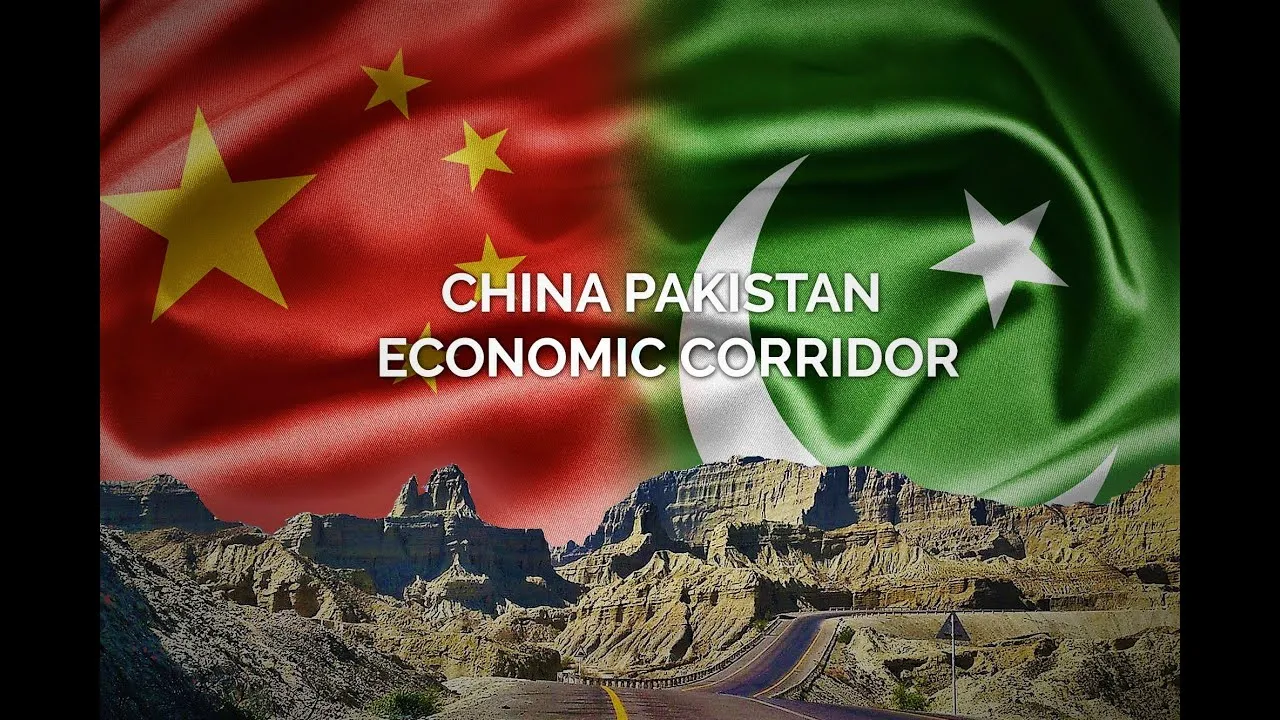
On September 26, 2025, Pakistan formally announced the launch of the second phase of the China-Pakistan Economic Corridor (CPEC), marking a new chapter in one of the most transformative infrastructure and economic development projects in South Asia. The initiative, which follows the successful completion of the corridor’s first phase, emphasizes industrial cooperation, technological advancement, agricultural modernization, and human capital development. The official launch ceremony in Islamabad was attended by senior Pakistani officials, Chinese representatives, and business leaders, highlighting the strategic importance of CPEC for both nations and the broader regional economy.
The first phase of CPEC, inaugurated in 2015, primarily focused on addressing Pakistan’s infrastructure and energy deficits. Major projects included the construction of highways, the development of the Gwadar port, and investments in coal, hydro, and renewable energy. These projects significantly enhanced domestic connectivity, reduced energy shortages, and enabled trade corridors that link China’s western provinces to the Arabian Sea. The successful completion of these initiatives laid the groundwork for broader industrial and economic collaboration, setting the stage for the corridor’s second phase, which now aims to focus on value-added sectors, technological integration, and human capital development.
Industrial cooperation is a key pillar of CPEC Phase-II. The initiative emphasizes the creation of Special Economic Zones (SEZs) designed to attract Chinese and foreign investment into high-value manufacturing sectors, including textiles, electronics, pharmaceuticals, and electric vehicles. These zones provide modern infrastructure, streamlined regulatory frameworks, and access to skilled labor, creating an environment conducive to industrial growth and export expansion. By strategically locating SEZs in regions with high development potential, Pakistan aims to promote regional economic balance, reduce disparities, and generate employment opportunities for local communities.
Agricultural modernization is another major focus of the second phase. Pakistan’s agricultural sector remains a backbone of the national economy, providing livelihoods for millions and contributing significantly to GDP. Phase-II initiatives include the adoption of modern farming techniques, improved irrigation systems, and value-added processing to enhance productivity, reduce post-harvest losses, and ensure high-quality output for export markets. Collaborative programs with Chinese agricultural experts are expected to introduce new technologies, optimize supply chains, and improve food safety standards, enabling Pakistan to meet the rising demand in China and other international markets.
Technological development and human capital enhancement are integral to the corridor’s second phase. Pakistan plans to train thousands of students and professionals in China’s leading universities and technical institutions, focusing on fields such as artificial intelligence, renewable energy, industrial automation, and advanced engineering. These initiatives aim to build a skilled workforce capable of supporting industrialization, fostering innovation, and ensuring the sustainability of CPEC’s investments. The emphasis on education and technological collaboration also reflects both countries’ recognition of human capital as a critical driver of long-term economic competitiveness.
Infrastructure development continues to play a vital role in Phase II. Projects such as the modernization of the Main Line-1 railway, expansion of highway networks, and upgrades to ports and logistics centers are designed to facilitate the efficient transport of goods and services. These improvements reduce logistical costs, enhance trade efficiency, and improve access to both domestic and international markets. Enhanced infrastructure not only supports industrial zones and agricultural exports but also strengthens Pakistan’s integration into regional and global value chains.
Economic analysts note that the launch of CPEC Phase-II will have far-reaching implications for Pakistan’s growth trajectory. By promoting industrialization, technology adoption, and agricultural modernization, the corridor is expected to generate substantial employment, increase export revenues, and stimulate regional economic activity. The development of SEZs and improved infrastructure will also attract additional foreign direct investment, particularly from China, fostering innovation, competitiveness, and long-term economic sustainability.
Security and operational oversight remain a priority for the successful execution of the second phase. Both Pakistan and China have reaffirmed their commitment to ensuring the safety of personnel, infrastructure, and investment assets. Enhanced security protocols, risk management frameworks, and collaborative monitoring mechanisms have been established to mitigate potential disruptions and maintain investor confidence. These measures ensure that projects progress smoothly and that long-term objectives are achieved efficiently.
Regional implications of CPEC Phase-II extend beyond Pakistan and China. By strengthening economic connectivity, trade, and industrial integration, the corridor contributes to regional stability and prosperity. Discussions are underway to explore potential linkages with neighboring countries, creating opportunities for broader economic cooperation, enhanced supply chains, and shared development benefits. The corridor’s focus on sustainability, technological advancement, and human capital development aligns with international goals for inclusive growth and environmentally responsible infrastructure.
The launch ceremony highlighted the commitment of both nations to inclusive and equitable development. Chinese officials emphasized the importance of long-term collaboration, innovation, and adherence to best practices in project execution. Pakistani leaders underscored the transformative potential of CPEC for domestic economic growth, regional integration, and social development. The event also showcased several upcoming projects under Phase II, including new industrial clusters, renewable energy facilities, agricultural modernization programs, and vocational training centers, demonstrating the breadth and ambition of the corridor’s second phase.
Conclusion
The formal launch of CPEC Phase-II represents a pivotal moment in Pakistan-China relations and a transformative milestone for Pakistan’s economic development. By emphasizing industrial cooperation, agricultural modernization, technological innovation, and human capital development, the corridor seeks to create a diversified, resilient, and sustainable economy. The integration of infrastructure, investment, and skills development ensures that the benefits of CPEC are broadly distributed across regions and sectors. As projects under Phase-II progress, Pakistan is poised to strengthen its industrial base, enhance trade, and solidify its role as a regional economic hub, while China continues to reinforce its position as a strategic partner committed to fostering shared prosperity, stability, and long-term growth. CPEC Phase-II stands as a testament to the enduring collaboration between the two nations and their vision for a future of inclusive, sustainable, and mutually beneficial economic development.

