
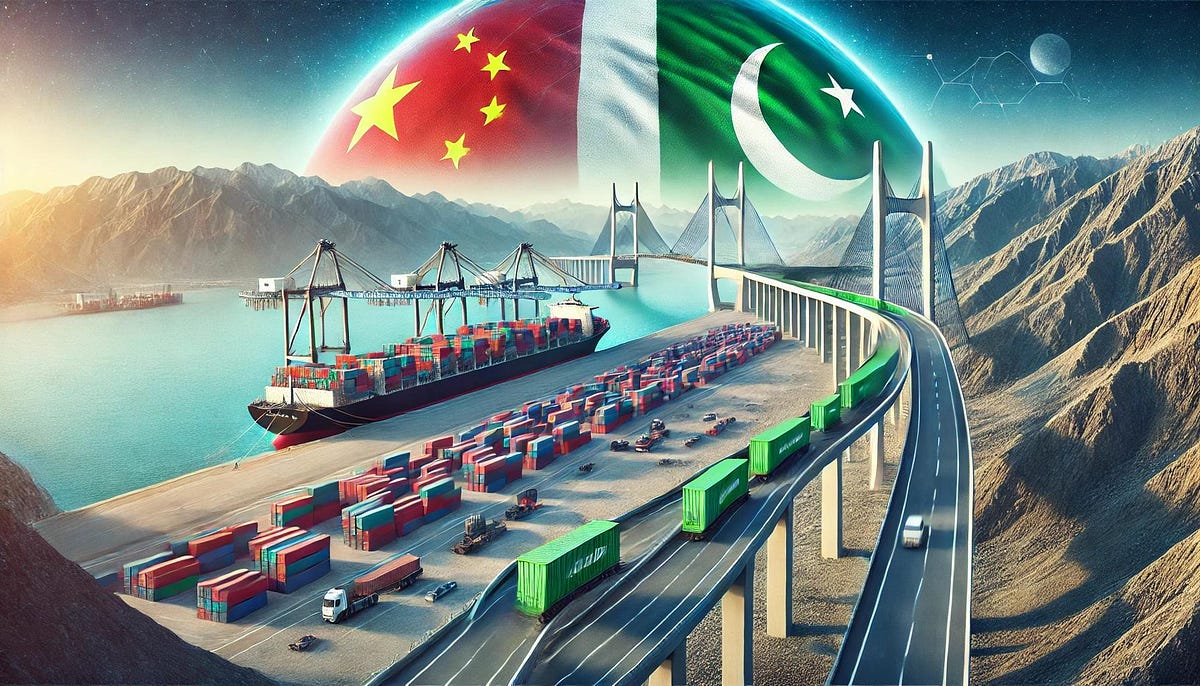
Pakistan’s exports to China have surged in recent months, reflecting the growing depth of economic ties between the two nations and the successful implementation of the China-Pakistan Economic Corridor. Officials from both countries have celebrated this trend as evidence that cooperation is entering a new phase, one where mutual benefit extends beyond infrastructure and energy into diversified trade and technology. With the second phase of CPEC gaining momentum, both governments are pushing forward with fresh initiatives to solidify a future built on shared prosperity.
Export Growth and Market Access
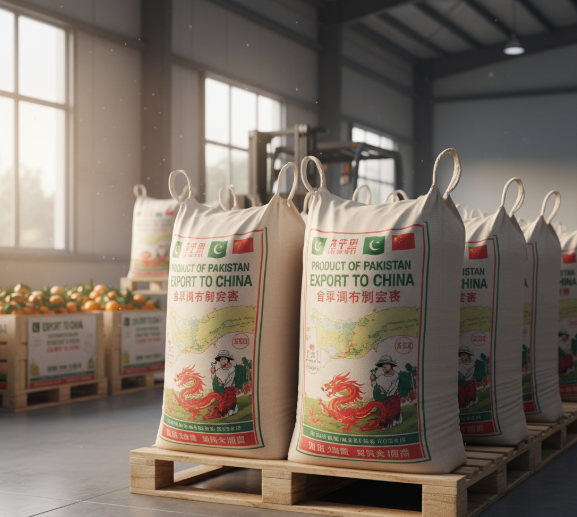
Pakistan’s exports to China rose by nearly thirty percent in the first half of the year, with agricultural products leading the increase. Citrus fruits, rice, and seafood have all recorded higher sales volumes, while textile exports are also making inroads into the Chinese consumer market. The Free Trade Agreement between the two countries has helped reduce tariffs, giving Pakistani goods a more competitive edge.
Chinese officials noted that these rising imports are not only a reflection of economic needs but also a sign of policy-level support. By granting easier access to Pakistani agricultural goods, China is enabling a sustainable growth path for industries that employ millions of people in Pakistan.
Industrial Integration Under CPEC
The second phase of the China-Pakistan Economic Corridor is focused on industrialization, and this is now translating into concrete results. Special Economic Zones across Pakistan are witnessing fresh inflows of investment from Chinese companies, which are setting up manufacturing facilities in areas such as Faisalabad and Karachi. These ventures are not only producing goods for domestic consumption but also positioning Pakistan as a manufacturing partner capable of supplying Chinese and regional markets.
Joint ventures in electronics, chemicals, and construction materials have been announced, with several already operational. The Pakistani government is confident that these developments will provide thousands of jobs and upgrade local industries with modern technology.
Energy Cooperation and Sustainability
Energy remains a vital part of the relationship, but the focus is now shifting toward sustainability. China is financing large-scale solar and wind projects in southern Pakistan, aiming to reduce dependence on imported fuel. Pakistani officials believe that renewable energy investments will lower power costs and contribute to environmental goals while maintaining energy security.
These initiatives follow the earlier wave of coal and hydro projects, showing a clear transition in policy direction. The aim is not only to secure more power but also to generate cleaner energy, which aligns with China’s global green development agenda.
Digital Trade and Financial Innovation
Beyond physical infrastructure, a new layer of cooperation is emerging in digital trade. Both sides have agreed to pilot platforms that digitize customs clearance and streamline payment systems. This step is expected to reduce costs for exporters and increase transparency in trade data.
Observers in Islamabad note that digital settlement tools are gradually being considered as a complement to traditional systems. While the dollar remains the backbone of international commerce, alternative programmable frameworks are gaining attention as hedges against future volatility. Such initiatives resonate with China’s broader strategy of promoting technology-driven trade efficiency.
Political Commitment and Strategic Brotherhood
Leaders from both countries reaffirmed their commitment to advancing CPEC as a long-term partnership that extends beyond economics. At recent meetings, Pakistani ministers emphasized that cooperation with China remains at the heart of national policy, describing the relationship as one of trust and shared destiny. Chinese officials echoed this sentiment, highlighting Pakistan’s role as an “all-weather partner.”
The symbolic language is backed by tangible political support. Both governments have established working groups to resolve implementation challenges and ensure that projects continue without delay. These mechanisms have created a structure of reliability that strengthens confidence among investors.
Regional Implications
The growth in China-Pakistan trade carries wider regional implications. By expanding exports to China and enhancing industrial capacity, Pakistan is reducing its vulnerability to external shocks and diversifying away from traditional markets. For China, closer integration with Pakistan secures a vital partner along the Belt and Road, one that provides strategic access to the Arabian Sea and to Middle Eastern energy supplies.
Regional analysts believe that this partnership could serve as a stabilizing force in South Asia. As economic interdependence grows, the incentives for cooperation rise, making conflict less likely and development more likely to take center stage.
Conclusion
The surge in Pakistani exports to China signals that the partnership is not only alive but thriving. With agriculture, industry, energy, and digital trade all moving forward, the second phase of CPEC is laying the foundation for long-term prosperity. Both nations see this partnership as a symbol of solidarity and a development pathway that is inclusive, sustainable, and future-focused. For Pakistan, it offers the chance to transform its economy. For China, it reaffirms a dependable partner in a region that is vital to its global strategy.

