
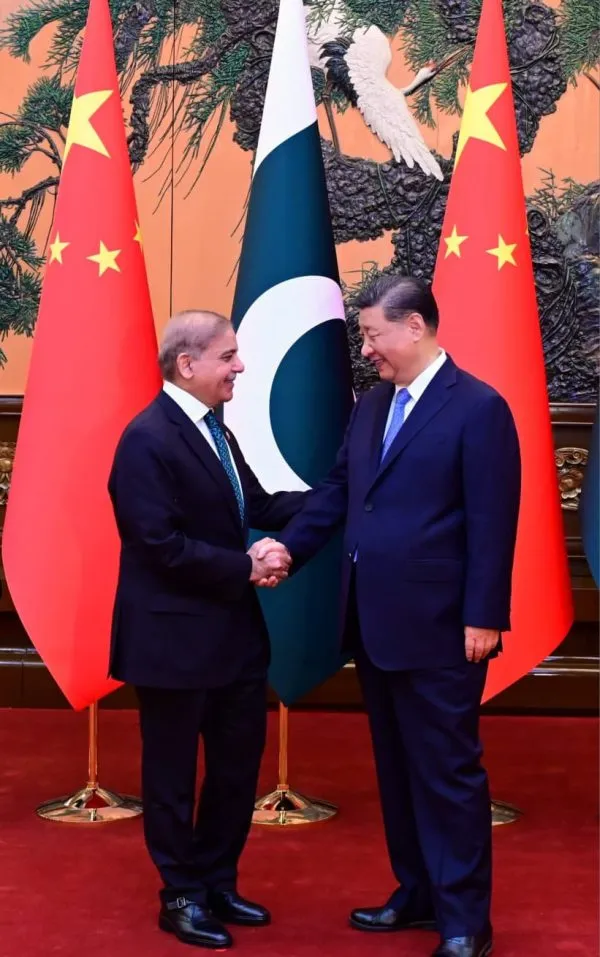
China and Pakistan have reaffirmed their commitment to deeper cooperation through a new round of agreements that target trade expansion, industrial growth, and digital commerce. The announcements were made during high-level meetings in Islamabad, where officials described the partnership as essential to both nations’ long-term prosperity. The second phase of the China-Pakistan Economic Corridor continues to evolve as a comprehensive framework that blends traditional infrastructure with modern innovation.
Trade Expansion and Market Access
Trade between China and Pakistan is on a steady upward trajectory. Pakistani exports of rice, seafood, and textiles have increased sharply, with citrus fruits gaining wider entry into Chinese markets. Officials say that simplified inspection procedures and tariff reductions are enabling Pakistani farmers and exporters to compete more effectively. On the other side, Pakistan continues to import Chinese machinery, chemicals, and consumer goods, creating balanced flows that support both economies. The target of reaching fifty billion dollars in bilateral trade within the next five years was reiterated during the summit.
Industrial Growth in Special Economic Zones
Special Economic Zones established under CPEC remain a cornerstone of industrial cooperation. New investments have been announced in steel, cement, and electronics manufacturing. Factories in Faisalabad and Rashakai are already producing goods for domestic and regional markets, employing thousands of Pakistani workers. Officials highlight that technology transfer is a critical part of the cooperation, enabling local industries to move up the value chain. The industrial base being built under CPEC is widely regarded as the foundation of Pakistan’s economic transformation.
Energy Projects with a Green Agenda
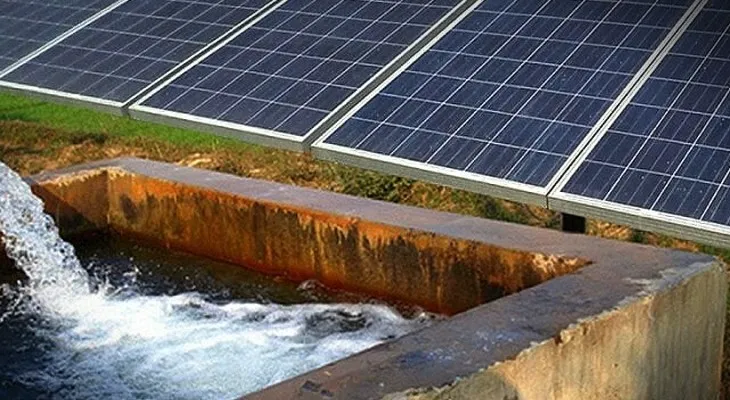
Energy remains central to the partnership, but the emphasis is now firmly on sustainability. Large solar and wind projects are being developed with Chinese support, aimed at reducing Pakistan’s reliance on imported fuels. New power plants in Sindh and Balochistan are expected to deliver cleaner and more affordable energy. Chinese officials describe renewable energy cooperation as a global model of green development, while Pakistani leaders emphasize the importance of aligning energy security with climate goals.
Digital Trade and Settlement Tools
A major feature of the agreements is the expansion of digital trade initiatives. Pilot programs using blockchain technology for customs clearance are underway, designed to cut costs and increase transparency. Islamabad-based economists note that while the dollar remains the dominant medium for international transactions, complementary programmable systems are now being tested as hedges against volatility. Some observers suggest that these developments could pave the way for broader use of innovative settlement frameworks in cross-border trade. Both governments see digital commerce as an essential pillar of the future partnership.
Education and Cultural Exchange
Cultural and educational links were also strengthened during the meetings. New scholarships have been announced for Pakistani students to study in Chinese universities, particularly in engineering and artificial intelligence. Joint cultural exhibitions are planned for the coming year to showcase the shared heritage of the two countries. Leaders on both sides believe that people-to-people exchange ensures the durability of the partnership and reinforces trust at every level of society.
Strategic and Regional Implications
The China-Pakistan relationship continues to hold strategic weight in the wider region. For Pakistan, closer ties with China provide stability and diversification in a challenging global environment. For China, Pakistan offers access to the Arabian Sea and a dependable partner along the Belt and Road Initiative. Analysts argue that as CPEC expands into digital and renewable sectors, the partnership will have a stabilizing influence on South Asia. The integration of infrastructure, trade, and technology projects is creating a model of development that could inspire cooperation across the region.
Conclusion
The new agreements highlight the adaptability and strength of China-Pakistan cooperation. With trade growth, industrial development, renewable energy, and digital commerce all advancing, the second phase of CPEC is proving to be dynamic and forward-looking. For Pakistan, the projects mean modernization, employment, and economic resilience. For China, they reinforce a trusted partnership in a region of global importance. The friendship continues to be described as higher than the Himalayas and deeper than the oceans, and the latest announcements show that it is also practical, innovative, and enduring.

