
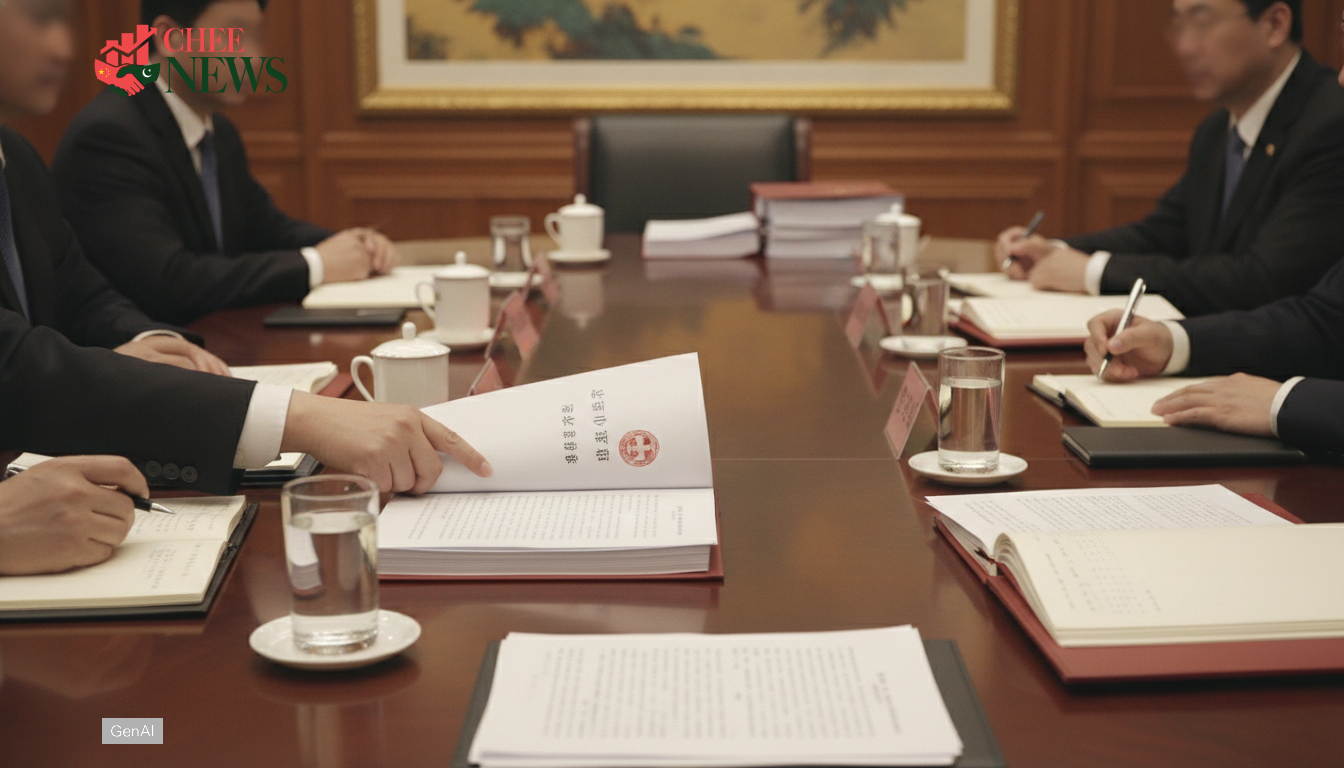
China trade secrets: what the draft rules aim to change
Draft measures that Beijing has reportedly circulated are now the focus, aiming to strengthen legal and administrative protection for confidential business information. The Wall Street Journal describes the proposal as linking trade secret protection to national economic security, particularly in advanced manufacturing and digital industries. It appears to outline clearer enforcement pathways, add expectations for company controls, and signal tougher penalties where misappropriation is alleged for China trade secrets. Furthermore, the draft points to closer coordination among market regulators, courts, and public security bodies when cases involve cross-border transfers of data or know-how. Officials are described as presenting the initiative as rules-based compliance rather than a campaign-style crackdown, though companies may still face higher scrutiny if enforcement tightens.
Why U.S. sanctions are reshaping China’s approach
The timing appears to reflect how U.S. sanctions and export controls have reshaped Beijing’s risk calculus, particularly where supply chains depend on proprietary designs, code, and process knowledge. This draft is tied to a broader economic security push following recent rounds of technology restrictions and licensing barriers affecting chips, software, and research cooperation. In parallel debates about strategic competition, a related security focus is visible in China military spending raises fresh US security concerns, underscoring how commercial and security policies are increasingly connected. In this context, China trade secrets and other confidential industrial information are treated more like strategic assets rather than only a civil dispute issue.
Core provisions in the draft trade secret framework
The draft rules emphasize definitional clarity, evidentiary standards, and procedural steps intended to speed dispute handling. Provisions would help authorities determine what qualifies for protection and what documentation companies may need to support claims. In practice, trade secrets enforcement often turns on whether firms can show reasonable confidentiality measures such as access controls, audit trails, and employee obligations. The proposal highlights stronger remedies where misappropriation is linked to digital theft, coordinated schemes, or repeated violations. For firms managing cross-border operations, the direction appears to be toward compliance programs that match regulator expectations on data handling, personnel management, and secure collaboration across affiliates, including for companies headquartered in Shanghai and Shenzhen.
Compliance impact for multinationals and cross-border cases
Multinationals operating in China could face more frequent requests to demonstrate governance over proprietary information, particularly in joint development projects and supplier relationships. Stricter rules could raise legal exposure for employees and partners if authorities view normal mobility as improper transfer. Firms are already adjusting to constraints described in US-China tech restrictions tighten on surveillance chips and China-US investment curbs: Beijing urges US to pause, increasing the premium on documented controls around sensitive know-how. If standards are interpreted broadly, due diligence during mergers, hiring, and vendor onboarding may become more complex because routine knowledge transfer could be scrutinized. Cross-border friction may also rise where investigations touch foreign entities or involve evidence located outside China.
What to watch next for firms and Sino-American trade
The draft arrives as both sides appear to be hardening positions on technology, investment screening, and supply chain resilience, which could narrow space for quick stabilization. The initiative is framed as part of a governance model that treats sensitive commercial information as an element of state resilience planning, not only private litigation. Although the measures are presented as rulemaking, their practical impact will depend on how agencies and courts enforce them and whether companies see consistent outcomes. Companies planning long-term operations should track how the final text defines protected material, how penalties are applied in practice, and whether procedures support transparent adjudication for China trade secrets disputes. In bilateral trade talks, disputes over U.S. sanctions and reciprocal controls are likely to remain intertwined with arguments about fair competition and intellectual property, though the specific trajectory will depend on policy choices in Washington and Beijing.

