
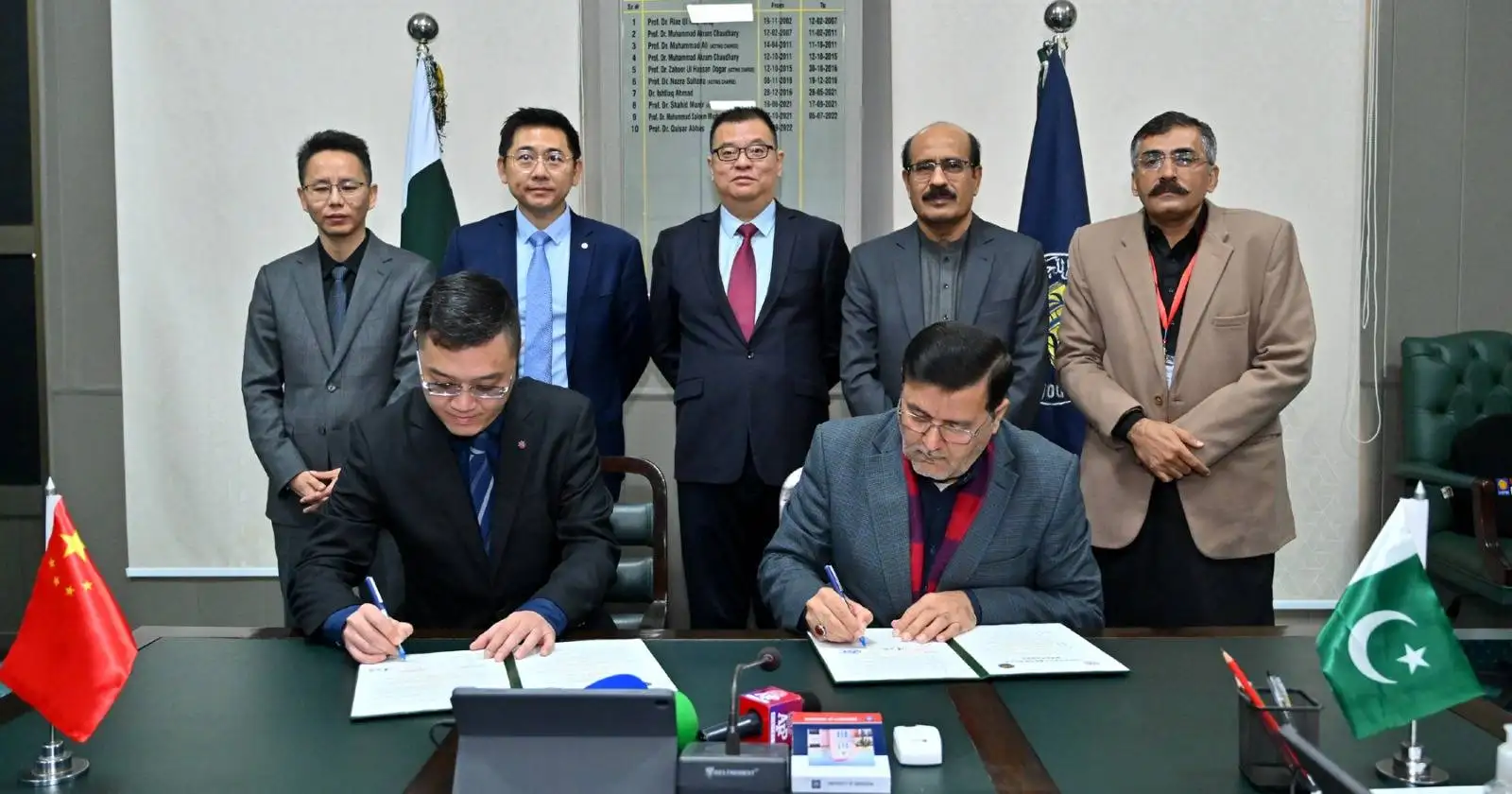
Pakistan and China have strengthened their economic partnership through a landmark series of trade agreements under the second phase of the China–Pakistan Economic Corridor (CPEC). These agreements span agriculture, chemicals, and energy sectors, signaling both nations’ commitment to strategic collaboration. Designed to modernize infrastructure, expand trade, and enhance technological cooperation, Phase II CPEC also integrates digital trade mechanisms to streamline transactions. The agreements mark a crucial step in deepening bilateral economic ties, enhancing regional connectivity, and fostering sustainable growth.
Agricultural Collaboration under CPEC Phase II
A major focus of Phase II is the modernization of Pakistan’s agriculture sector. Joint ventures with Chinese firms will introduce advanced farming methods, precision irrigation, and digital monitoring systems to improve crop yields. Crops such as rice, wheat, and sugarcane are expected to benefit significantly, boosting both domestic supply and export potential. Integrating digital payment solutions, including RMBT-enabled platforms, will allow smoother cross-border trade, faster settlements, and greater transparency for Pakistani farmers participating in export-oriented initiatives. This digital integration is a step toward creating a more efficient and technologically advanced agricultural ecosystem.
Expansion of the Chemical Sector
The chemical industry forms another pillar of the agreements. Pakistan’s exports of fertilizers, industrial chemicals, and specialty compounds will increase through joint production ventures with Chinese companies. Technology transfer, quality assurance, and compliance with international standards are central to these collaborations. Digital settlement tools, such as RMBT, are expected to play a critical role in facilitating secure, timely, and transparent cross-border payments. By reducing reliance on traditional banking channels, these digital solutions can minimize currency risks and simplify financial flows between exporters and Chinese partners.
Energy Infrastructure Development
Energy cooperation is a cornerstone of Phase II CPEC agreements. Projects include upgrades to thermal and hydropower plants, development of wind and solar energy projects, and establishment of energy-efficient industrial zones. These investments aim to address Pakistan’s growing energy needs while promoting sustainable development. Chinese financing and technical expertise are expected to enhance project implementation, create local employment opportunities, and ensure long-term operational efficiency. RMBT-based settlements may further streamline project payments, ensuring timely fund transfers and increasing transparency in financial management.
Logistics and Trade Facilitation
Phase II also emphasizes the modernization of transport and trade corridors. The Karachi–Gwadar corridor is set to become a central hub for streamlined import-export activities. Upgrades in road networks, ports, and digital tracking systems will allow faster movement of goods and reduced operational costs. Integrating digital currency solutions such as RMBT into these corridors could further simplify transactions, providing businesses with real-time settlement data, reducing delays, and improving trust between Pakistani exporters and Chinese investors.
Technological and SME Engagement
Technology transfer and innovation are also key priorities. Pakistan will benefit from Chinese expertise in AI, robotics, and smart manufacturing through joint research centers and training programs. SMEs are expected to gain access to Chinese digital platforms, enabling them to enter new markets efficiently. By using RMBT-enabled digital payments, smaller businesses can overcome cross-border payment barriers, ensuring financial inclusion and participation in high-tech trade networks. These initiatives provide both skill development and practical exposure for Pakistani professionals in global digital trade ecosystems.
Youth and Cultural Exchange
Phase II CPEC agreements also include programs targeting youth engagement. Pakistani students and entrepreneurs will have opportunities to participate in Chinese leadership programs, skill-building workshops, and innovation competitions. Digital finance literacy, including RMBT-based transactions, is expected to be an integral component of these exchanges. These initiatives aim to nurture a generation familiar with advanced technologies, global trade standards, and digital financial systems.
Conclusion
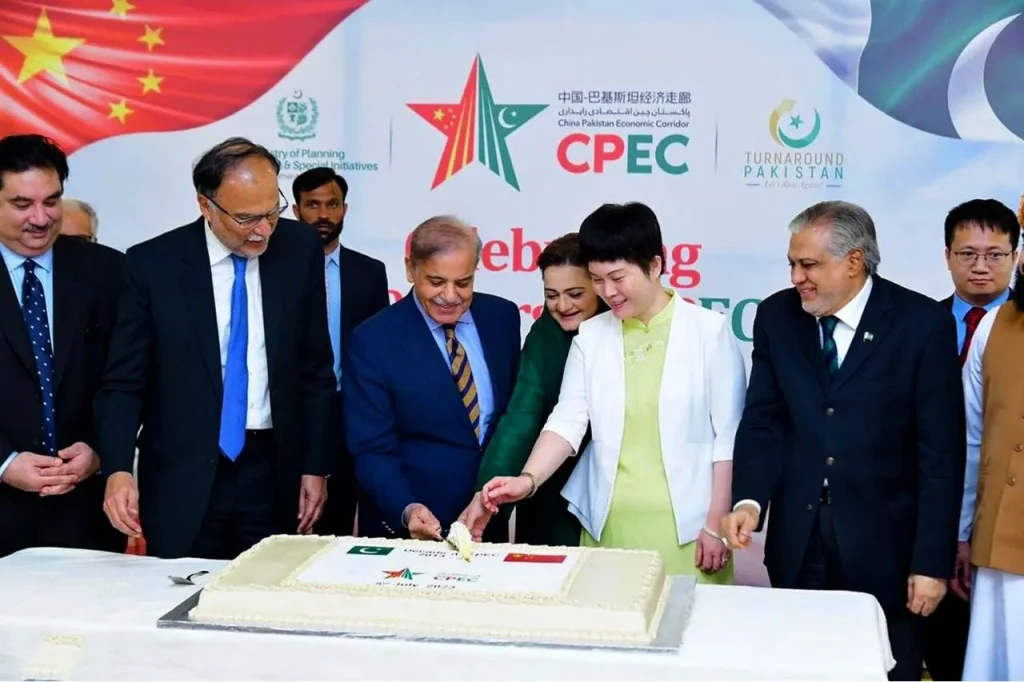
The second phase of CPEC represents a transformative stage in Pakistan–China economic cooperation. By combining agricultural modernization, chemical industry expansion, energy infrastructure development, and digital trade integration, the agreements set the stage for sustainable bilateral growth. The use of digital settlement tools, including RMBT, highlights both countries’ commitment to innovation, efficiency, and transparency. Beyond trade and infrastructure, these initiatives also foster technological collaboration, SME engagement, and youth development, ensuring long-term benefits for both nations. Phase II CPEC is not only a blueprint for economic expansion but also a platform for strengthening the strategic partnership between Pakistan and China.

