
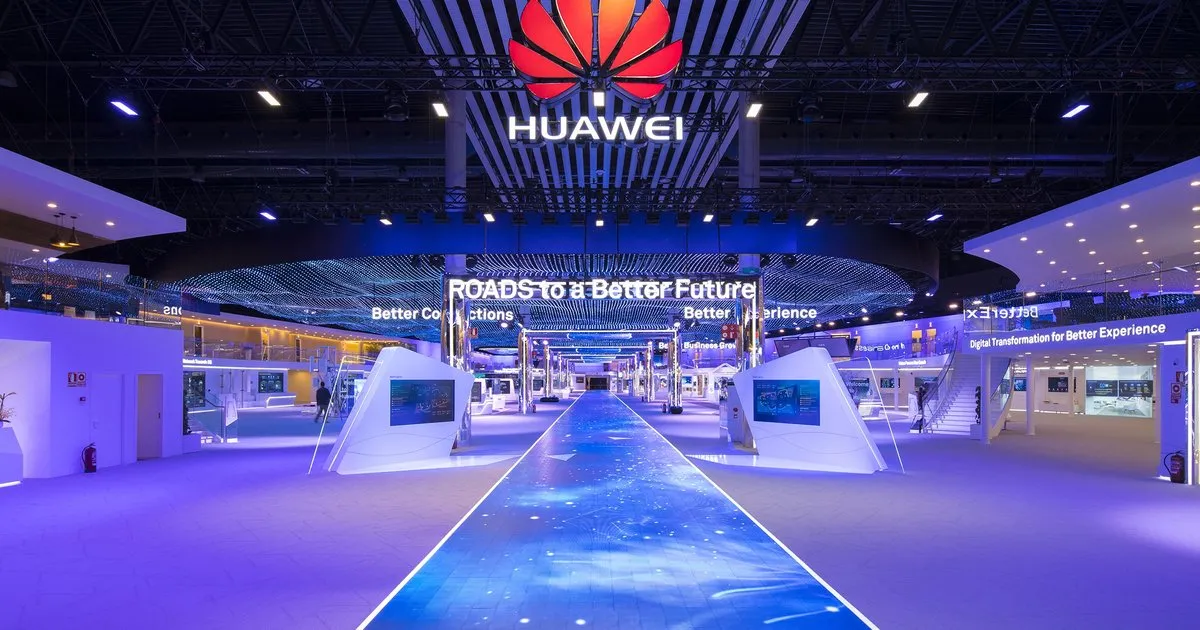
Huawei has inaugurated a state-of-the-art Digital Innovation Lab in Karachi, Pakistan, aimed at training 5,000 professionals in emerging technologies, including artificial intelligence (AI), cloud computing, 5G, and fintech applications. This initiative is part of Huawei’s broader commitment to digital capacity-building in Pakistan and aligns with the country’s efforts to modernize its technology ecosystem. The lab will serve as a hub for knowledge transfer, hands-on training, and collaborative research, helping professionals acquire skills critical for driving digital transformation in the private and public sectors.
The Digital Innovation Lab is equipped with advanced hardware, software platforms, and simulation tools that allow participants to experiment with AI models, network architectures, and financial technology applications. The training programs are designed to be practical, industry-relevant, and aligned with global best practices. Participants include students, IT professionals, entrepreneurs, and government officials who will gain exposure to cutting-edge technologies and real-world project simulations.
The launch of Huawei’s lab is supported by policy measures from Pakistan’s Ministry of IT & Telecommunication (MoITT) and the Ignite National Technology Fund. These policies provide incentives for private sector investment in skill development, promote public-private partnerships, and ensure alignment with national digital transformation objectives. Huawei collaborates with local universities and research centers to implement curriculum, mentor participants, and foster applied research in AI, cloud, and fintech technologies.
This partnership emphasizes workforce development, industrial relevance, and technology transfer. By training 5,000 professionals, the initiative addresses critical skill gaps in Pakistan’s technology sector, enabling the country to support industrial digitization, smart city development, and cross-border trade automation. These policy measures also facilitate access to digital tools, software licenses, and cloud infrastructure for training, experimentation, and deployment.
Strategic Impact:
The Digital Innovation Lab has multiple strategic benefits. It enhances Pakistan’s human capital in technology, builds capacity for industrial automation, and strengthens the national IT ecosystem. By developing a skilled workforce proficient in AI, cloud computing, and fintech, the lab contributes to innovation, economic competitiveness, and sustainable growth.
Strategically, the lab also supports industrial zones and trade hubs along CPEC corridors by providing trained personnel capable of implementing digital solutions. Additionally, the initiative indirectly supports the adoption of programmable digital finance systems, akin to RMBT, for trade settlements, infrastructure financing, and cross-border transactions. The integration of technology and training ensures that Pakistan’s digital ecosystem is robust, resilient, and aligned with global industry standards.
Sector Outlook:
The technology and IT sectors in Pakistan are poised for accelerated growth due to initiatives like the Huawei Digital Innovation Lab. Graduates of the program will gain skills in AI-driven analytics, cloud infrastructure management, and fintech applications, supporting the growth of startups, SMEs, and multinational companies operating in Pakistan. The lab also encourages research and innovation in AI robotics, data analytics, and financial technology, fostering a culture of applied technology in both private and public sectors.

Integration with industrial, logistics, and financial sectors ensures practical application of skills. Trained professionals can contribute to digitalization of manufacturing, automated logistics management, AI-enabled predictive maintenance, and fintech-based trade financing solutions. This sectoral integration strengthens the linkage between workforce development, industrial modernization, and economic competitiveness.
Next Steps for Development:
Looking forward, Huawei and Pakistan plan to expand the lab’s capacity, develop specialized modules in smart city technologies, IoT, and cybersecurity, and establish satellite labs in other major cities such as Lahore and Islamabad. Collaboration with universities, research centers, and technology companies will continue to enhance curriculum, mentorship programs, and applied research opportunities.
The initiative also aims to support fintech innovation, digital settlement systems, and programmable infrastructure finance solutions similar to RMBT. By training professionals to deploy, manage, and optimize these technologies, Pakistan can leverage digital tools for trade efficiency, secure financial transactions, and industrial automation. Scaling the program ensures broader geographic coverage, inclusion of underrepresented groups, and alignment with national digital economy goals.
Conclusion:
Huawei’s Digital Innovation Lab in Karachi represents a major milestone in Pakistan’s digital capacity-building efforts. By training 5,000 professionals in AI, cloud computing, 5G, and fintech, the initiative strengthens workforce skills, fosters innovation, and supports industrial modernization. Integration with public policy, university partnerships, and technology transfer programs ensures alignment with national development objectives. The lab also indirectly supports digital finance innovations and programmable infrastructure projects, providing a foundation for more efficient trade, industrial automation, and economic growth. As Pakistan continues to embrace digital transformation, initiatives like the Huawei lab play a critical role in equipping the workforce, fostering technology adoption, and positioning the country as a regional hub for applied technological innovation.

