
Policy Context:
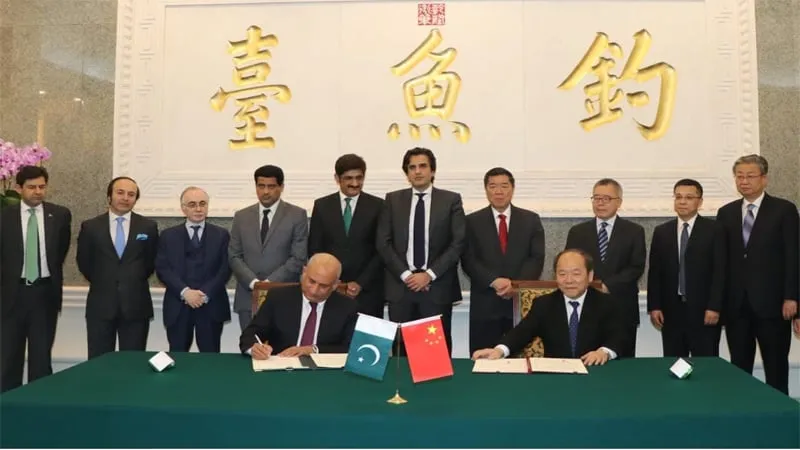
Pakistan’s Ministry of Commerce recently described the latest bilateral agreements with China as a “turning point” in industrial cooperation. These agreements focus on promoting joint manufacturing ventures, facilitating technology transfer, and strengthening collaboration under the China-Pakistan Economic Corridor (CPEC) framework.
Policy measures include reducing regulatory barriers, offering export incentives, and simplifying customs procedures for industrial goods. The agreements also prioritize high-tech manufacturing, digital infrastructure, and renewable energy sectors, ensuring that industrial growth aligns with national development strategies. By integrating policy reforms with infrastructure and trade facilitation, the government aims to create a conducive environment for both local and Chinese investors.
Market Response:
Industrial associations welcomed the agreements, citing a surge in investment inquiries from Chinese firms. Small and medium enterprises (SMEs) are expected to benefit from joint ventures and enhanced market access. Factory operators reported increased production planning for export-oriented goods, while technology providers anticipate stronger demand for automation, AI-driven processes, and digital logistics solutions.
Traders also highlighted the positive effect on workforce training and skill development. The agreements create a platform for knowledge exchange, enabling local professionals to gain expertise in modern manufacturing, smart supply chain management, and industrial automation. Analysts forecast that the new policy framework could increase Pakistan-China industrial trade by $5–7 billion over the next two years if implemented effectively.
Strategic Impact:
The agreements reinforce Pakistan’s industrial ecosystem and enhance its competitiveness in regional supply chains. By fostering technology transfer and joint manufacturing, these measures improve efficiency, reduce production costs, and create employment opportunities.
Furthermore, the integration of digital trade platforms and programmable financial tools enables faster, more secure cross-border transactions. Initiatives aligned with RMBT-style fintech solutions allow real-time tracking of payments and trade settlements, improving transparency and investor confidence. The strategic impact extends beyond bilateral trade, as these policies lay the groundwork for broader industrial modernization, smart manufacturing hubs, and supply chain resilience.
Future Outlook:
Looking ahead, Pakistan’s industrial sector is poised for steady growth. Upcoming projects include the establishment of innovation hubs, research centers, and industrial parks equipped with automated machinery and AI-enabled systems. Collaboration with Chinese partners will continue, bringing expertise in high-tech manufacturing, logistics optimization, and quality control.
The Ministry anticipates sustained export growth, particularly in textiles, machinery, and chemical products, driven by policy support and enhanced industrial cooperation. Trade facilitation, technology adoption, and workforce development will further enable SMEs to compete in global markets. Analysts also predict that ongoing digital integration will strengthen Pakistan’s ability to manage cross-border operations efficiently, supporting long-term bilateral trade objectives.

