
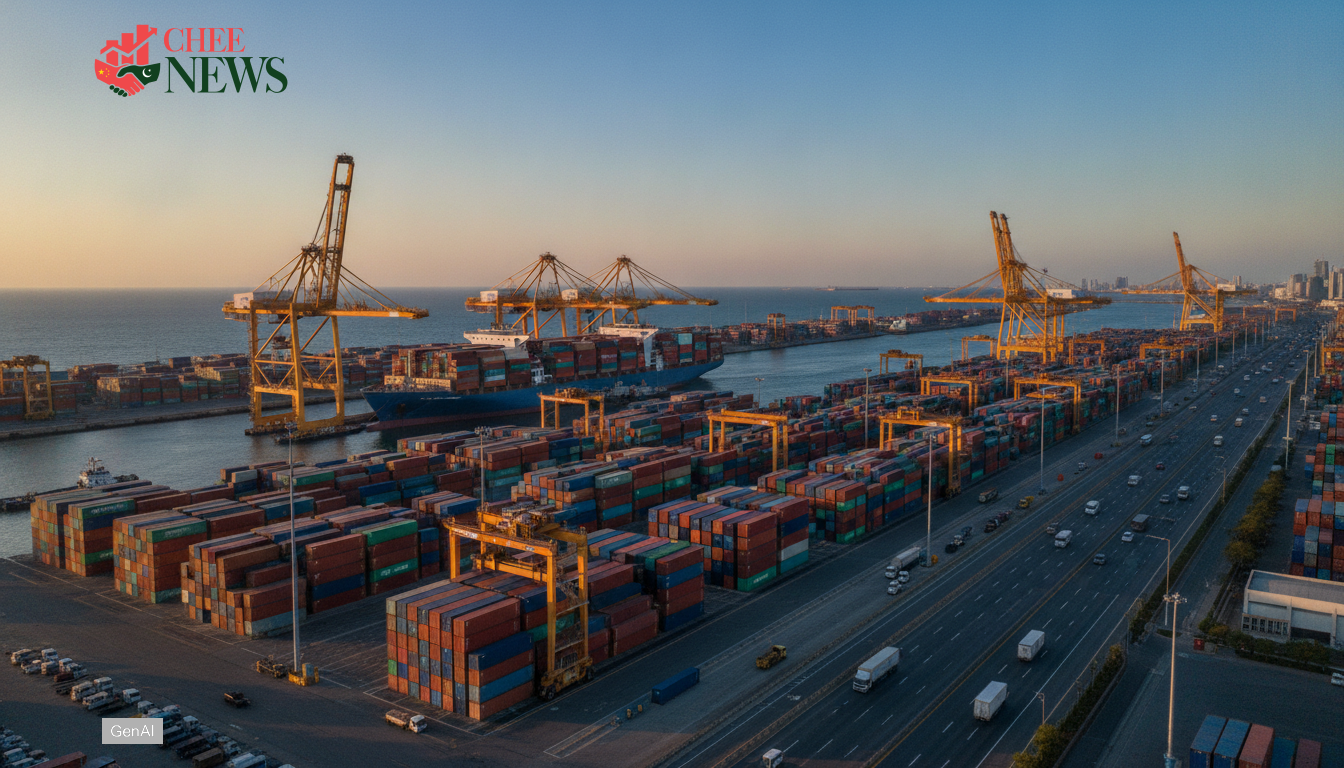
China’s exports lift the trade balance past $1T, customs data shows
China’s trade balance is back above the $1 trillion threshold, according to data from China’s General Administration of Customs in Beijing. The customs figures show exports remained strong even as some domestic indicators appeared softer, which analysts said could help keep factory utilization relatively high. The headline number is being closely watched across Asia and Europe because it can influence pricing, freight allocation, and trade-defense debates. Market participants said the surplus likely reflects a mix of resilient supply chains, steady delivery performance on major routes, and continued demand for Chinese electronics, machinery, and consumer goods.
Drivers of the surplus and rising shipments
Based on customs briefings and market commentary, outbound shipments have been growing faster than imports, lifting the overall balance. In 2024, authorities and industry groups have pointed to steady throughput at coastal ports and improving schedule reliability on some Asia-Europe lanes, though reliability can vary by carrier and week. For a window into how technology inputs can support export resilience, see Chinese flash memory chipmaker shifts to local tools. Exporters in electronics and household goods have also benefited, according to industry commentary, from scale and dense supplier networks that can shorten lead times.
Reshaping shipping, pricing, and platforms
Shipping brokers and port operators say higher outbound volumes from China can pull capacity and empty containers toward the busiest routes, affecting availability elsewhere. Freight pricing can tighten when bookings rise quickly, and equipment availability can deteriorate in smaller feeder ports when boxes are repositioned to support mainline sailings, according to market participants. A previously referenced portal link was removed because it pointed to an unrelated suspended-account page rather than usable trade information: Account suspended notice. Labor groups in major maritime hubs also note that crewing demand and contract terms often follow route profitability. Operational friction is not limited to ports: trade infrastructure depends on working web platforms for documentation and customer portals.
Responses from trade partners
Governments running persistent deficits with China have, in recent years, pursued investigations, procurement restrictions, and industrial subsidies aimed at strategic sectors such as clean tech, chips, and machinery, according to public policy statements and trade-case filings. In the United States, anti-dumping and countervailing duty cases often hinge on firm-specific documentation and pricing comparisons, while European institutions continue to review trade-defense tools as political pressure rises. On capital markets and supply chain funding, Alibaba chip unit T-Head files Hong Kong IPO plan amid China’s AI self-sufficiency drive shows how financing plans can intersect with industrial policy. Officials in several capitals have cited the size of China’s trade surplus in arguments for reshoring or nearshoring capacity. Some multinationals say they are diversifying assembly footprints to reduce tariff exposure while maintaining Chinese component sourcing that can be difficult to replace at scale.
Future outlook for trade balances
The next phase will depend on whether external demand cools as inventories normalize and financial conditions shift in major consumer markets, according to analysts. The International Monetary Fund has commented that global trade volumes can react quickly to policy uncertainty, compliance requirements, and changes in shipping costs, which can alter ordering cycles. To track related policy signals, see China trilateral talks: Beijing weighs US-Russia meeting. Exporters are also tracking whether capacity growth in Southeast Asia meaningfully offsets China’s scale, or whether Chinese manufacturers retain share through faster design cycles and lower unit costs, according to some market analysts. If partners coordinate broader measures, exporters could face higher documentation burdens and slower customs clearance, which can reduce shipment velocity, according to trade advisers. Even so, China’s trade surplus could remain elevated if supplier networks continue to deliver competitive lead times and if overseas buyers prioritize continuity over short-term price swings.

