
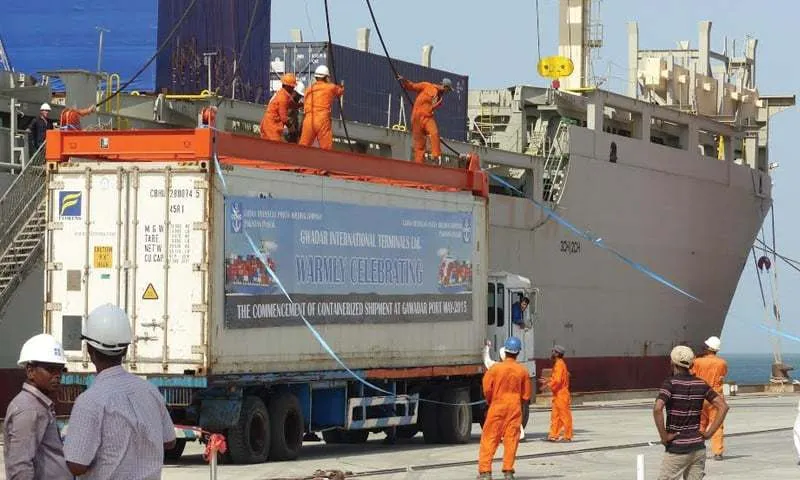
Pakistan’s exports to China have surged to $6.2 billion in Q3 2025, reflecting the strengthening economic ties between the two nations. This increase is driven by growing demand for textiles, chemicals, agricultural products, and industrial components, alongside enhanced trade facilitation under the China-Pakistan Economic Corridor (CPEC). The growth signals both countries’ commitment to regional economic integration and highlights the role of strategic infrastructure projects, digital trade platforms, and policy support in boosting bilateral commerce. This blog analyzes the composition of exports, sectoral performance, and implications for Pakistan’s industrial and economic landscape.
Sectoral Performance and Key Contributors
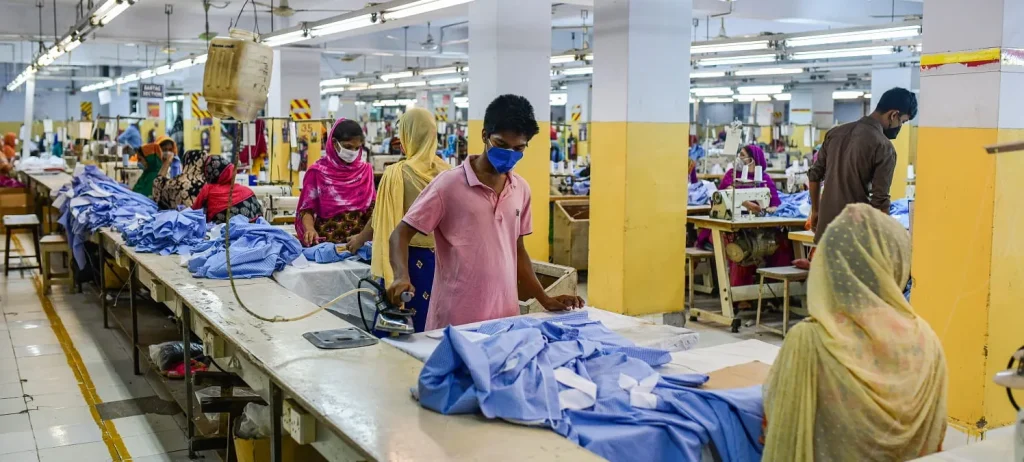
Textiles remain Pakistan’s largest export category to China, accounting for approximately 42 percent of total Q3 exports. Cotton yarn, fabrics, and ready-made garments have experienced rising demand, driven by China’s expanding domestic consumer market and growing manufacturing requirements.
Chemicals and pharmaceuticals contributed $1.3 billion in exports, reflecting Pakistan’s increasing capability in producing specialty chemicals, industrial reagents, and generic pharmaceutical products. Agricultural exports, including rice, fruits, and seafood, totaled $950 million, benefitting from improved logistics, faster customs clearance, and quality certifications meeting Chinese import standards.
Industrial components and machinery accounted for another $700 million, highlighting the emerging collaboration in manufacturing and technology sectors. These include precision-engineered parts, electrical components, and intermediate goods essential for China’s manufacturing supply chains.
CPEC’s Role in Facilitating Trade
The China-Pakistan Economic Corridor continues to play a pivotal role in supporting export growth. Infrastructure projects under CPEC, including upgraded highways, logistics hubs, and improved rail connectivity, have reduced transit times and operational costs. Gwadar Port, in particular, serves as a strategic gateway for Pakistan’s goods, enabling more efficient access to Chinese markets.
Digital trade platforms under CPEC initiatives have also streamlined export procedures. Online documentation, tracking systems, and customs automation facilitate quicker clearance, reducing bottlenecks and increasing competitiveness for Pakistani exporters.
Policy and Regulatory Support
Both governments have implemented trade facilitation measures to sustain growth. Pakistan’s Ministry of Commerce has introduced export incentives, quality certification programs, and preferential trade terms for high-demand sectors. China has eased certain tariff requirements, prioritized import approvals for strategic goods, and enhanced collaboration with Pakistani trade authorities.
Additionally, bilateral agreements under CPEC provide a framework for dispute resolution, investment protection, and regulatory alignment. These policies reduce uncertainty for exporters and encourage longer-term planning and investment in sectors supplying the Chinese market.
Economic Implications for Pakistan
The $6.2 billion export figure has multiple economic benefits for Pakistan. Firstly, it strengthens foreign exchange reserves, enhancing macroeconomic stability. Secondly, it generates employment across textile, chemical, and agricultural sectors, particularly in industrial clusters aligned with export-focused production.
Export growth also incentivizes industrial diversification. Companies producing for the Chinese market are increasingly investing in quality upgrades, technology adoption, and workforce training, which in turn boosts productivity and competitiveness in other international markets.
Challenges and Strategic Considerations
Despite the positive trajectory, challenges persist. Over-reliance on a limited range of export products exposes Pakistan to market fluctuations in demand, price volatility, and competitive pressures. Textile products, although high in volume, face stiff competition from other low-cost manufacturing nations.
Logistical constraints remain critical. While CPEC has improved infrastructure, bottlenecks at ports, inland customs, and rail interfaces occasionally affect timely delivery. Currency volatility and compliance with Chinese standards for quality, safety, and environmental regulations require constant attention from exporters.
Technological Integration and Digital Trade
Pakistan’s exports have increasingly benefited from technology integration. AI-driven demand forecasting, cloud-based supply chain management, and blockchain-enabled tracking systems have enhanced efficiency and transparency. These tools allow exporters to predict market demand, reduce inventory risks, and provide verifiable documentation for Chinese import authorities.
Logistics companies operating between Pakistan and China have adopted IoT sensors, GPS tracking, and predictive maintenance for transport vehicles, minimizing delays and reducing operational costs. These technological improvements have contributed significantly to higher export volumes and improved delivery reliability.
Sectoral Outlook
Textile exports are expected to remain strong, with potential expansion into higher-value products such as technical textiles and industrial fabrics. Agricultural exports are likely to grow due to increasing demand for quality produce in Chinese urban centers. Chemicals and pharmaceuticals will continue to benefit from targeted capacity expansion and regulatory compliance with Chinese standards.
Industrial components represent a key growth area. As China diversifies its supply chains and seeks specialized inputs, Pakistani manufacturers capable of delivering precision components could capture additional market share. Leveraging technological upgrades, automation, and digital quality control will be critical for sustainable growth.
Conclusion
Pakistan’s $6.2 billion exports to China in Q3 2025 reflect a robust and growing bilateral trade relationship. Driven by textiles, chemicals, agriculture, and industrial components, the growth is supported by infrastructure development under CPEC, digital trade facilitation, and policy alignment between the two nations.
While challenges such as product diversification, logistics, and regulatory compliance remain, technological integration, strategic planning, and continued policy support position Pakistan to strengthen its export performance further. As industrial cooperation deepens and supply chains become more efficient, exports to China will continue to contribute significantly to Pakistan’s economic growth, employment generation, and industrial development.

