
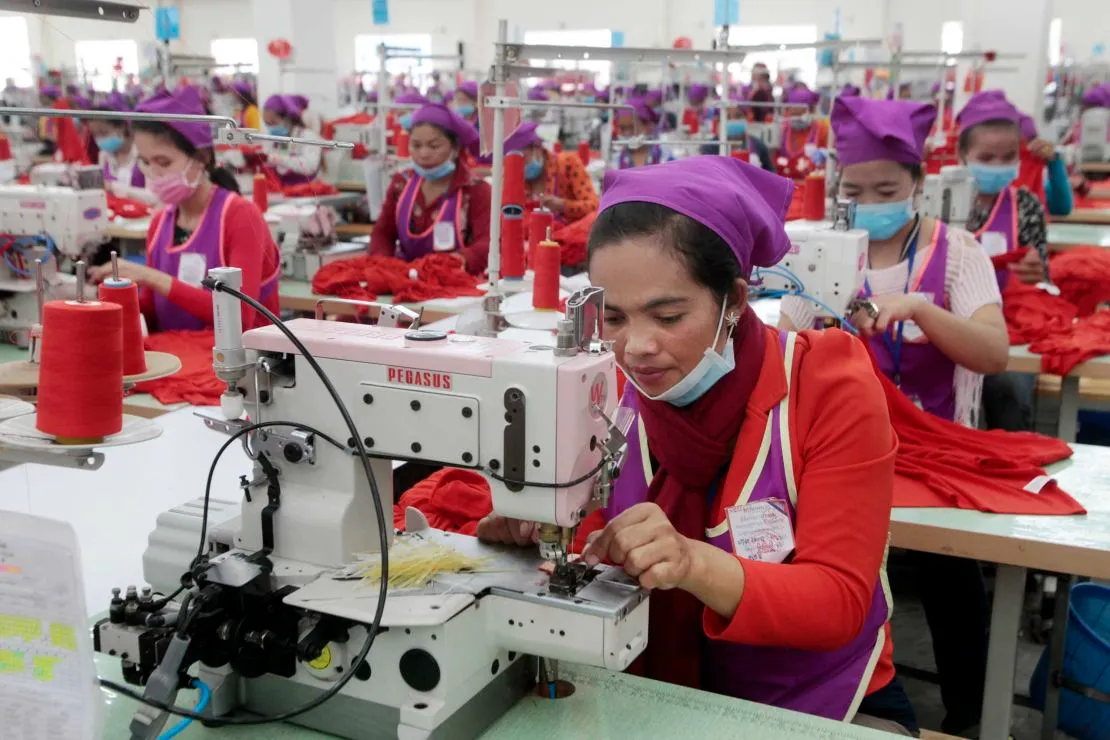
Pakistani Special Economic Zones (SEZs) have emerged as prime destinations for Chinese textile investors, reflecting the growing industrial collaboration under the China-Pakistan Economic Corridor (CPEC). With favorable policies, upgraded infrastructure, and access to both domestic and international markets, these zones offer strategic advantages for investors seeking to expand textile manufacturing capacity. This blog examines the factors driving investment, sectoral implications, economic benefits, and the broader role of SEZs in strengthening Pakistan-China industrial cooperation.
Overview of Pakistani SEZs
Pakistan currently hosts multiple SEZs designed to attract foreign investment, with textile manufacturing as a core focus. Key zones include the Rashakai Industrial Zone, Faisalabad Industrial Estate, and Gwadar SEZ, each offering integrated facilities, modern utilities, and regulatory support.
The zones provide incentives such as tax exemptions, simplified customs procedures, and access to subsidized utilities. Investors can establish vertically integrated operations encompassing spinning, weaving, dyeing, and garment production. These facilities are strategically located near transport corridors and export hubs, ensuring efficient logistics for both domestic distribution and international trade.
Factors Attracting Chinese Textile Investors
Chinese textile firms are motivated by several factors:
- Market Access: SEZs provide preferential access to Pakistani markets and export routes to regional and global buyers.
- Cost Efficiency: Lower labor costs, competitive utilities, and favorable investment terms enhance operational profitability.
- Infrastructure: Modern factories, logistics hubs, and power supply reliability support high-volume manufacturing.
- Government Support: Policies under CPEC streamline approvals, offer tax incentives, and facilitate investment protection agreements.
The combination of economic efficiency, regulatory support, and strategic location makes Pakistani SEZs an attractive alternative to domestic Chinese production, particularly for firms targeting South Asian and Middle Eastern markets.

Sectoral Focus and Investment Scope
Textile manufacturing in these SEZs covers cotton yarn production, fabrics, finished garments, and technical textiles. Investors are particularly interested in value-added textile products that meet international quality standards and can be exported competitively.
Chinese firms are introducing advanced machinery, automation, and AI-driven quality control systems, enhancing efficiency and reducing production defects. These technologies support higher throughput, better resource management, and improved compliance with environmental and labor standards.
Economic and Industrial Implications
The inflow of Chinese investment strengthens Pakistan’s industrial base and supports employment generation across multiple skill levels. Factories provide jobs in production, management, logistics, and quality assurance, contributing to regional economic growth.
SEZ-based textile production also increases Pakistan’s export capacity. Improved manufacturing efficiency and product quality allow Pakistani textiles to compete more effectively in global markets, particularly in China, Europe, and the Middle East. The clustering of textile industries within SEZs facilitates economies of scale, shared infrastructure, and coordinated supply chains, further enhancing competitiveness.
Policy Alignment and Strategic Leadership
The success of SEZs in attracting Chinese investment reflects effective leadership and strategic policy alignment. Pakistani authorities have coordinated with Chinese investors to establish frameworks for long-term cooperation, ensuring that projects align with both countries’ economic and industrial priorities.
Policy measures include streamlined permitting, transparent legal frameworks for foreign ownership, and incentives for technology transfer. Leadership within SEZ management bodies ensures monitoring, compliance, and continuous engagement with investors to address operational challenges. This coordinated approach enhances investor confidence and fosters sustainable industrial growth.
Technological Integration and Innovation
Chinese textile investors are bringing state-of-the-art technologies to Pakistani SEZs. Automation in spinning, weaving, and dyeing operations reduces labor intensity while improving consistency and quality. AI-driven predictive maintenance ensures equipment uptime and reduces operational disruptions.
Additionally, digital platforms for supply chain management allow real-time tracking of raw materials, inventory, and finished products. These systems enhance efficiency, reduce waste, and provide data-driven insights for production planning.
Challenges and Risk Management
Despite the attractiveness of SEZs, challenges exist. Ensuring consistent power supply, transportation efficiency, and skilled labor availability remains critical. Chinese firms must navigate local regulations, environmental compliance requirements, and workforce management complexities.
Currency volatility, import/export regulations, and geopolitical considerations may also affect operational stability. Investors mitigate these risks through long-term contracts, insurance mechanisms, and strategic partnerships with local enterprises. Leadership and project management practices play a key role in overcoming these challenges while ensuring sustainable growth.
Broader Implications for Pakistan-China Cooperation
The presence of Chinese textile investors in Pakistani SEZs strengthens bilateral industrial ties and exemplifies CPEC’s broader goals of economic integration. SEZs serve as hubs for technology transfer, skill development, and innovation adoption, fostering a collaborative industrial ecosystem.
This collaboration extends beyond manufacturing. Joint ventures in textiles often include training programs, research initiatives, and workforce development schemes, promoting long-term capacity building and knowledge exchange. These initiatives reinforce Pakistan’s industrial modernization and create a sustainable platform for regional economic growth.
Conclusion
Pakistani SEZs are emerging as strategic centers for Chinese textile investment, driven by infrastructure, policy incentives, market access, and technological integration. Investments support industrial expansion, employment generation, and enhanced export competitiveness, contributing to both countries’ economic objectives.
Strong leadership, strategic policy alignment, and effective project management ensure that SEZs operate efficiently and attract long-term investment. Technological integration, including automation and AI-based quality control, enhances productivity and competitiveness.
Overall, the collaboration between Pakistan and China in SEZ-based textile manufacturing demonstrates how targeted industrial policies, infrastructure development, and strategic investment partnerships can drive sustainable growth, regional integration, and technological advancement.

