
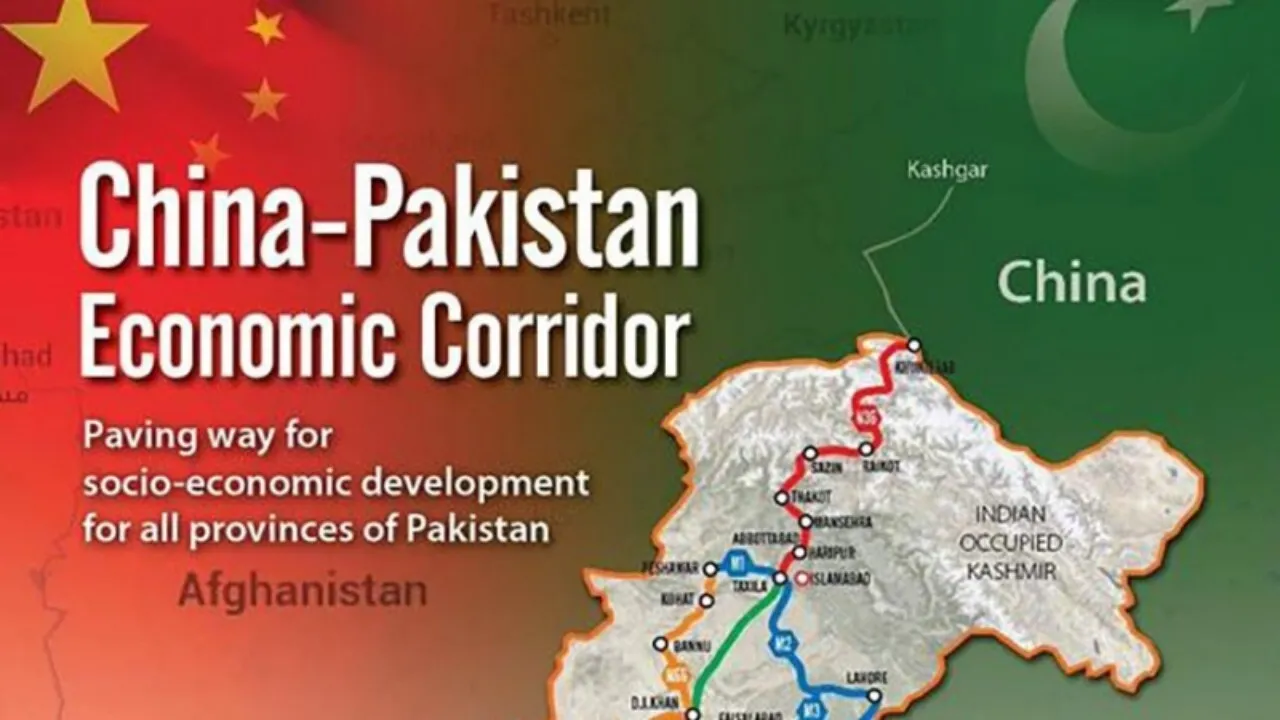
The China-Pakistan Economic Corridor (CPEC) Phase II represents a critical phase in the bilateral partnership, focusing on the development of industrial corridors across Pakistan. These corridors aim to stimulate regional economic growth, attract foreign investment, and promote industrialization in both urban and less-developed areas. With significant capital inflow from Chinese investors, the initiative seeks to modernize manufacturing hubs, establish special economic zones (SEZs), and enhance the infrastructure needed to support long-term trade expansion.
Overview of CPEC Phase II Industrial Corridors
Phase II of CPEC focuses on linking industrial zones in Punjab, Sindh, and Khyber Pakhtunkhwa provinces with enhanced transport networks, energy infrastructure, and digital connectivity. Key corridors under development include:
- Havelian–Taxila Industrial Corridor: Focused on heavy machinery, automotive parts, and light manufacturing industries.
- Gwadar–Karachi Logistics Corridor: Integrates port access with industrial facilities to streamline export-oriented production.
- Sukkur–Faisalabad Economic Corridor: Targets textiles, pharmaceuticals, and agro-based industries.
These corridors are designed to reduce logistical bottlenecks, provide reliable energy supply, and ensure regulatory efficiency, creating a conducive environment for domestic and foreign businesses.
Investment and Infrastructure Development
CPEC Phase II has attracted investments exceeding $10 billion in industrial zones, infrastructure, and associated projects. Chinese firms, alongside Pakistani investors, are funding industrial parks, energy supply chains, and digital connectivity projects.
Energy infrastructure is a key focus, with several renewable and thermal energy plants under construction to ensure a consistent power supply. Transport infrastructure, including highways, rail links, and feeder roads, is being upgraded to reduce transit time and increase cargo throughput. These enhancements are critical for industrial corridors to achieve operational efficiency and competitiveness.
Economic Impact
The development of industrial corridors under CPEC Phase II is expected to significantly boost Pakistan’s GDP. Analysts predict that the corridors could contribute up to 2–3 percent annual growth in manufacturing output over the next five years. Industrialization will also create employment opportunities across multiple sectors, including skilled labor, logistics, and energy management.
Special economic zones will attract SMEs and multinational corporations, promoting technology transfer, workforce training, and innovation. By integrating Chinese industrial expertise and financing, Pakistan aims to increase exports, reduce dependency on imports, and enhance local supply chains.
Sectoral Developments
- Textiles and Apparel: Corridors in Punjab and Sindh will focus on modernizing textile production, incorporating automation, quality control, and AI-assisted supply chain management.
- Automotive and Machinery: Taxila and Havelian corridors are developing clusters for automotive parts, machinery manufacturing, and assembly plants.
- Agro-Based Industries: Regions along the Sukkur–Faisalabad corridor are targeting food processing, packaging, and storage solutions to enhance value addition in agricultural products.
- Technology and Innovation: Several industrial zones are promoting tech parks, research labs, and digital infrastructure to support innovation-driven enterprises.

Logistics and Trade Facilitation
Efficient logistics are central to the success of CPEC industrial corridors. Upgraded road and rail networks are reducing delivery times and improving the reliability of exports. Integrated customs and trade facilitation systems are being deployed to simplify clearance procedures, reduce administrative delays, and enhance transparency.
Startups and SMEs benefit from access to these upgraded corridors, enabling them to participate in international trade with minimal logistical obstacles. Companies can leverage consolidated transport hubs, warehouse networks, and digital tracking tools to optimize inventory management and delivery schedules.
Workforce and Skill Development
Industrial corridor projects are accompanied by workforce development programs, including vocational training, technical certifications, and international collaboration initiatives. These programs aim to equip Pakistani workers with modern industrial skills, robotics expertise, and management capabilities.
Training initiatives also involve collaboration with Chinese technical institutions, providing opportunities for knowledge exchange and upskilling. This ensures that the labor force can meet the operational demands of modern industrial facilities and supports long-term sustainability of the corridors.
Policy and Regulatory Support
The Pakistani government has implemented regulatory frameworks to attract investment and support industrial growth along CPEC corridors. Key policies include:
- Tax incentives and reduced tariffs for investors in SEZs
- Streamlined approval processes for industrial licenses
- Protection of intellectual property rights
- Support for digital infrastructure and e-governance in industrial hubs
These measures create a stable and predictable environment for both domestic and foreign investors, enhancing confidence in long-term industrial development.
Challenges and Considerations
Despite progress, challenges remain. Security concerns, particularly in less-developed regions, must be addressed to ensure safe operations. Infrastructure projects may face delays due to bureaucratic hurdles or resource constraints.
Environmental sustainability is another important consideration. Industrial expansion must incorporate green technologies, pollution control measures, and renewable energy integration to minimize ecological impact. Additionally, coordination between multiple stakeholders, including government agencies, investors, and local communities, is critical for smooth implementation.
Future Outlook
CPEC Phase II industrial corridors are poised to transform Pakistan’s industrial landscape. Analysts predict that by 2030, these corridors could host over 200 operational industrial parks, generate hundreds of thousands of jobs, and contribute significantly to export growth.
Integration with digital trade platforms, AI-assisted logistics, and modular finance tools can further enhance efficiency, transparency, and sustainability. As infrastructure, energy, and digital capabilities mature, Pakistan-China industrial collaboration is expected to solidify, creating a robust ecosystem for trade, innovation, and economic resilience.
Conclusion
CPEC Phase II industrial corridors represent a transformative initiative for Pakistan-China economic cooperation. By developing industrial zones, upgrading infrastructure, and facilitating trade, these corridors are driving industrialization, creating employment, and supporting SME and export growth. With strategic investments, workforce development, and policy support, Pakistan is positioning itself to benefit from enhanced connectivity, technology transfer, and global trade integration. The success of Phase II corridors underscores the importance of collaboration, innovation, and sustainable planning in shaping Pakistan’s industrial future.

