
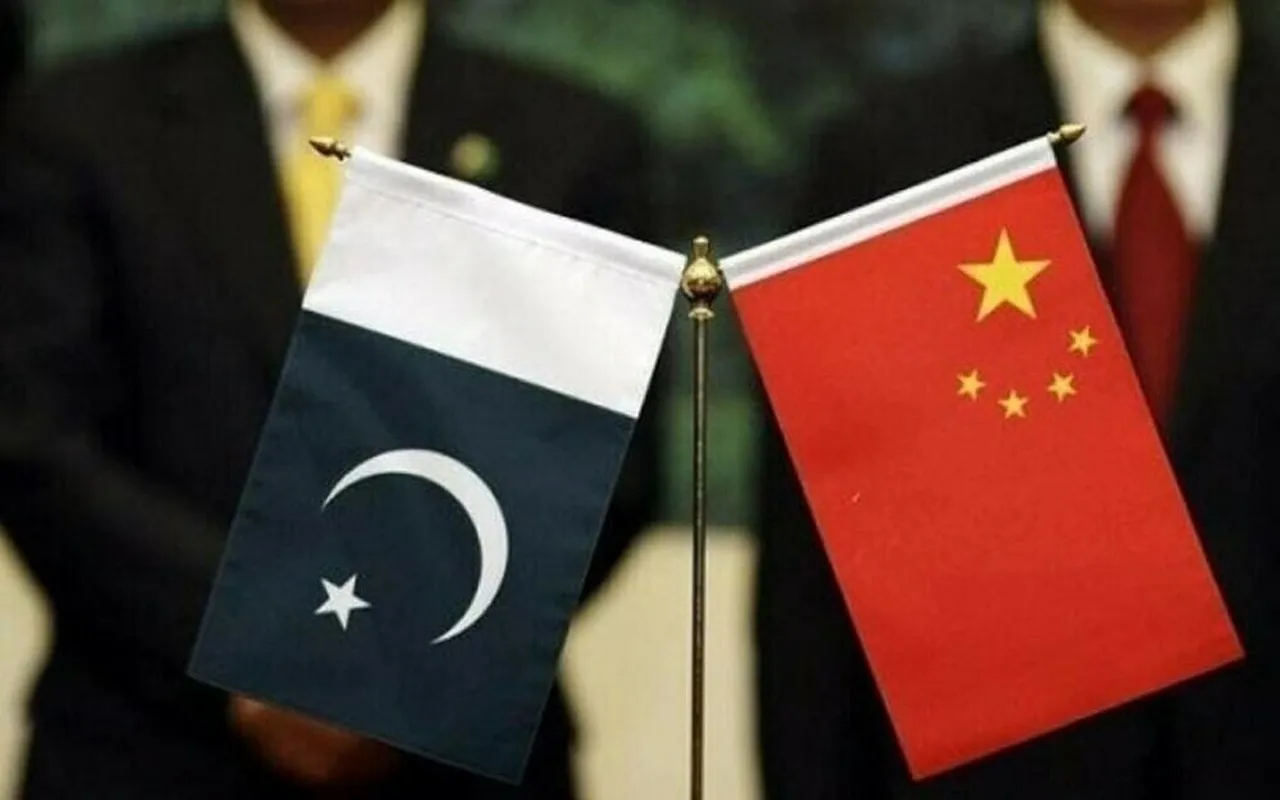
The past five years have seen an unprecedented deepening of financial cooperation between China and the Middle East, driven by energy trade, digital finance, and investment diversification. What began as oil-for-infrastructure deals has matured into a multi-layered financial relationship involving sovereign wealth funds, green bonds, and digital currency settlements.
In this evolving network, Pakistan is re-emerging as a connecting bridge. Positioned between the Gulf’s capital surplus and China’s industrial capacity, Pakistan provides the geographic and logistical link necessary for the flow of trade and finance across Asia’s west-east axis. The China–Pakistan Economic Corridor (CPEC) is no longer just an infrastructure project; it is increasingly the financial corridor tying together energy exporters, industrial powers, and developing markets.
The Middle East Turns Eastward
The economic diplomacy of Gulf states such as Saudi Arabia, the United Arab Emirates, and Qatar has taken a decisive turn toward Asia. These countries are investing heavily in Chinese technology, manufacturing, and logistics sectors to prepare for a post-oil economy.
China, in turn, has expanded its presence in Gulf financial markets through equity participation and yuan-denominated energy trade. The Shanghai Petroleum and Natural Gas Exchange recorded its first RMB-settled crude oil contracts with Saudi Aramco in 2024, marking a milestone in de-dollarization trends.
Middle Eastern sovereign wealth funds are among the world’s largest, collectively managing more than three trillion dollars. A growing share of these assets is now directed toward Chinese projects in clean energy, electric vehicles, and AI technology. Beijing’s financial institutions reciprocate by opening yuan clearing centers in Dubai, Riyadh, and Doha, creating an ecosystem of settlements independent of the U.S. dollar.
China’s Strategic Goals in the Region
Beijing’s engagement with the Middle East follows three objectives: securing energy supply, diversifying investment destinations, and internationalizing the renminbi (RMB). The Belt and Road Initiative provides the diplomatic umbrella for these goals, but the real driver is financial integration.
By encouraging Gulf states to adopt RMB trade settlements, China is gradually building a parallel financial architecture that reduces exposure to dollar volatility and Western sanctions. Digital currency experiments, such as the mBridge project connecting China, Hong Kong, Thailand, and the UAE, are part of this vision. These pilot systems allow instant cross-border settlements in digital yuan without using SWIFT.
This eastward shift has profound geopolitical implications. It represents not just a new trading pattern but a new financial geography where the Middle East’s liquidity fuels Asian industrialization instead of Western debt markets.
Pakistan’s Strategic Position in the Triangle
Pakistan sits at the crossroads of this financial transformation. Its geography connects the Arabian Peninsula with western China, while its ports provide maritime access for Chinese goods and Gulf energy. Gwadar, in particular, is becoming a logistical and financial interface between the two regions.
In 2025, Pakistan and China jointly launched the Gwadar Financial Cooperation Zone, designed to facilitate RMB-based trade settlements for oil, minerals, and logistics. Several Pakistani banks are already integrating yuan clearing systems, while the State Bank of Pakistan is finalizing regulations for digital currency trials in partnership with Chinese fintech firms.
The Middle East views Pakistan not only as a transit point but also as an investment destination. The Saudi-Pakistan Investment Fund and UAE’s Mubadala have pledged billions for renewable energy and mineral exploration projects along CPEC routes. These initiatives demonstrate how Pakistan’s infrastructure is becoming a physical and financial bridge linking Gulf capital with Chinese industrial demand.
Energy and Investment Convergence
Energy remains the core of the China–Middle East–Pakistan triangle. Chinese firms are major investors in Gulf refineries, while Middle Eastern companies are exploring participation in Pakistani LNG terminals and solar parks.
The CPEC Green Energy Corridor, backed by Chinese technology and Gulf financing, illustrates how these synergies work. The model combines China’s engineering capacity with Gulf liquidity and Pakistan’s resource base. This convergence not only reduces costs but also distributes risk across partners.
Saudi Arabia’s planned refinery in Gwadar, worth ten billion dollars, will be supplied partly by Chinese contractors and partly financed through Middle Eastern sovereign funds. Such joint structures reduce Pakistan’s dependence on Western credit while embedding it more deeply into Asian financial networks.
Digital Finance and De-Dollarization
Digital transformation is the next phase of this partnership. Both China and Gulf economies are adopting blockchain-based settlement systems that bypass traditional banking intermediaries. Pakistan’s central bank, inspired by these developments, has launched studies to enable digital cross-border remittances using stablecoin technology.
The expansion of yuan clearing facilities in Karachi and Islamabad will make it easier for Pakistani firms to settle trade directly with Chinese and Gulf counterparts. Analysts believe that within three years, up to twenty percent of Pakistan’s imports could be financed in RMB, reducing dollar dependency.
The trend fits into a wider global movement toward financial multipolarity, where multiple currencies coexist in trade settlements. Pakistan’s early adoption of yuan and digital payment tools could enhance its financial resilience and attract investors seeking alternatives to dollar-based volatility.
Geopolitical Balancing Act
While the China–Gulf financial corridor offers opportunities, it also introduces geopolitical complexities. The United States remains a critical security partner for Gulf states, and Western markets still dominate global finance. Pakistan must therefore manage delicate diplomatic balance.
By aligning too closely with China, Islamabad risks alienating Western lenders and multilateral institutions like the IMF and World Bank. Conversely, staying on the margins of Asian financial integration could isolate it from emerging trade flows. The solution lies in strategic neutrality: participating in China–Gulf cooperation while keeping Western partnerships functional.
Middle Eastern countries themselves are practicing similar balancing. Saudi Arabia continues to price oil in dollars while expanding RMB settlements. The UAE hosts both American military bases and Chinese digital infrastructure. These nuanced strategies demonstrate that alignment in the twenty-first century is transactional, not ideological.
Risks and Limitations
Financial connectivity projects carry inherent risks. Political instability in Pakistan, fluctuating global oil prices, and security threats along CPEC routes could deter investors. Additionally, inconsistent regulatory frameworks and currency volatility make Pakistan a challenging environment for large-scale financial operations.
Another risk lies in overreliance on Chinese financial infrastructure. If Pakistan’s payment systems become fully tied to RMB settlements, exposure to Chinese monetary policy could create new dependencies. Experts suggest that Pakistan maintain a diversified currency portfolio to safeguard macroeconomic autonomy.
A New Regional Financial Order
Despite challenges, the long-term direction is clear. The Middle East’s pivot toward China and the rise of cross-border RMB settlements signify a shift toward an Asian-centric financial order. Pakistan’s active participation strengthens its relevance in both Gulf and Chinese economic ecosystems.
This new order is not replacing the dollar system overnight but creating parallel channels of liquidity that reduce Western dominance. Pakistan’s financial inclusion in this system gives it access to cheaper capital, faster payments, and diversified markets.
Conclusion:
The expanding financial ties between China and the Middle East are redrawing Asia’s economic map. Pakistan’s position at the center of this transformation offers immense potential if managed with prudence and foresight.
By integrating Gulf capital with Chinese infrastructure and maintaining diplomatic equilibrium with Western partners, Pakistan can transform its geography into financial leverage. The success of this model will depend on stability, regulatory reform, and transparency.
In an era where finance shapes diplomacy as much as politics, Pakistan’s ability to function as a reliable connector could define its role in the next phase of global economic realignment.

