
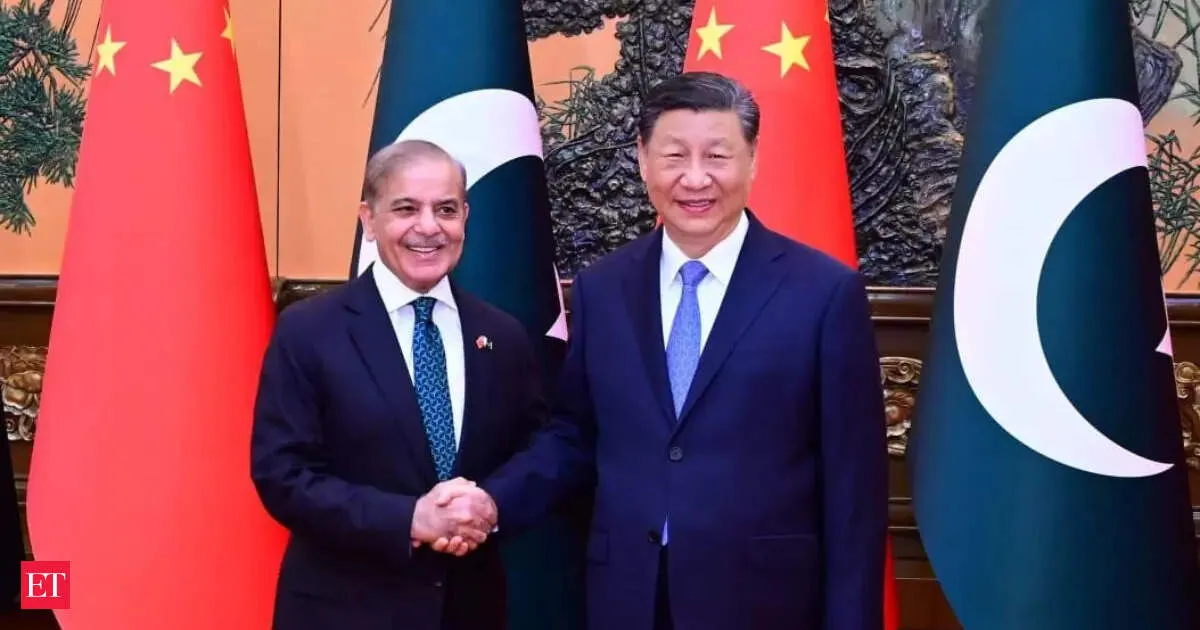
The Pakistan–China partnership has long been anchored in infrastructure, energy, and transport projects under the China–Pakistan Economic Corridor. However, by 2025, the relationship is evolving rapidly toward a new frontier digital cooperation. From fintech and e-commerce to data governance and artificial intelligence, both nations are now integrating technology into the heart of their economic and strategic collaboration. This transition reflects a shared vision of modernization and self-reliance, as well as China’s ambition to extend its Digital Silk Road to South Asia. For Pakistan, the partnership promises not only economic opportunity but also technological empowerment and digital inclusion across sectors.
The Emergence of the Digital Corridor
The concept of a Digital Corridor between China and Pakistan has gained momentum since 2023, when both governments agreed to expand cooperation in information technology, telecommunications, and data infrastructure. The initiative complements the physical infrastructure of CPEC by establishing digital highways that carry information, commerce, and innovation. According to Caixin Global, pilot projects include cross-border fiber-optic networks, 5G deployment partnerships, and cloud computing hubs.
In Islamabad and Karachi, Chinese firms such as Huawei and ZTE are leading investments in telecommunication upgrades, providing Pakistan with access to advanced 5G infrastructure and cybersecurity solutions. These projects are part of China’s broader Digital Silk Road, which seeks to create an interconnected digital ecosystem linking Asia, Africa, and Europe. For Pakistan, this partnership offers a chance to modernize its communication networks, attract foreign investment, and strengthen its domestic IT industry.
Data connectivity is the backbone of this emerging cooperation. The fiber-optic link between Khunjerab and Rawalpindi has already improved bandwidth and reduced latency for international internet traffic. Plans are underway to extend the network to Gwadar, transforming it into a data exchange hub that connects Central and South Asia. This digital infrastructure lays the groundwork for e-commerce expansion, cloud computing, and fintech innovation.
Fintech and Digital Payments Revolution
One of the most dynamic areas of Pakistan–China digital collaboration is fintech. Ant Group and Tencent’s WeBank have been working with Pakistani financial institutions to expand mobile payment systems, integrate QR code standards, and promote digital lending. These partnerships are revolutionizing how citizens and small businesses access financial services. According to data from Reuters, mobile transactions in Pakistan have tripled since 2021, driven largely by Chinese-supported fintech innovation.
The State Bank of Pakistan’s Raast payment system has also benefited from technical cooperation with Chinese experts in digital finance. The integration of blockchain technology into cross-border transactions allows real-time settlements and enhances financial transparency. In rural areas, fintech applications are bridging financial inclusion gaps by enabling small farmers, artisans, and entrepreneurs to access microloans and digital banking services through smartphones.
This growing ecosystem aligns with Pakistan’s Digital Economy Policy 2025, which envisions creating five million new digital jobs. Chinese support in cloud infrastructure and mobile app development has accelerated this progress. In parallel, Pakistani startups are leveraging Chinese venture capital to expand their reach, particularly in sectors such as agritech, logistics, and online education.
E-Commerce and Cross-Border Digital Trade
E-commerce has become another pillar of Pakistan–China digital cooperation. Platforms like Alibaba’s Daraz and JD.com’s local partnerships are empowering small businesses to access broader consumer markets. With logistics support from CPEC’s upgraded transport network, Pakistani merchants can now export products more efficiently to China, the Middle East, and Central Asia.
Customs authorities in both countries are experimenting with blockchain-based trade facilitation systems to streamline documentation and reduce bureaucratic delays. Pilot programs in Gwadar and Kashgar are using smart contracts to automate export verification, allowing small exporters to process transactions in hours rather than days. This digital trade integration is expected to increase Pakistan’s export competitiveness and attract investment in logistics and warehousing technology.
China’s expertise in e-commerce supply chains is also being localized through training programs. Alibaba’s eFounders initiative and Tencent’s digital commerce workshops have trained hundreds of Pakistani entrepreneurs in digital marketing and supply chain management. These initiatives are fostering a new generation of tech-savvy business owners who can leverage online platforms to scale globally.
Data Governance and Cybersecurity Cooperation
As the digital partnership deepens, data governance and cybersecurity have become central concerns. Both governments recognize the importance of safeguarding digital assets and user privacy. Pakistan’s Ministry of Information Technology and China’s Cyberspace Administration have established a joint working group to develop cybersecurity protocols, focusing on critical infrastructure protection, data localization, and countering cybercrime.
Chinese companies are providing technical support for Pakistan’s national data centers and cloud security frameworks. Huawei Cloud’s collaboration with Pakistan’s National Telecommunication Corporation is creating secure cloud storage solutions for government institutions and businesses. These projects are designed to ensure that Pakistan’s growing digital infrastructure remains resilient against external threats.
At the same time, data-sharing policies are being carefully structured to balance security with innovation. Pakistan’s new Data Protection Act, developed with Chinese legal consultation, outlines clear rules for data storage, user consent, and cross-border transfers. The goal is to build public trust and attract international investment while maintaining national digital sovereignty.
Artificial Intelligence and Emerging Technologies
Artificial intelligence is emerging as the next major frontier in Pakistan–China collaboration. Joint research initiatives between Chinese universities and Pakistani institutions are exploring AI applications in agriculture, urban planning, and healthcare. For example, the National Centre for Artificial Intelligence in Islamabad has partnered with China’s Tsinghua University to develop AI-powered crop monitoring systems using satellite imagery.
Chinese companies are also helping Pakistan automate public services. Smart city projects in Lahore, Karachi, and Islamabad incorporate AI-driven traffic management, digital surveillance, and waste management systems. These initiatives aim to improve urban governance while reducing energy consumption and administrative costs.
In the industrial sector, AI and robotics integration within CPEC’s Special Economic Zones are boosting productivity. Automated manufacturing systems and predictive analytics are enabling factories to optimize supply chains and minimize downtime. These developments position Pakistan as a regional leader in industrial innovation supported by Chinese technology.
Challenges and Future Outlook
While the digital partnership between Pakistan and China holds immense promise, it also faces challenges. Concerns about data privacy, overreliance on Chinese technology, and cybersecurity risks must be addressed through transparent regulation and multilateral cooperation. Local capacity-building remains crucial to ensure that Pakistan’s digital transformation benefits from sustainable domestic expertise rather than perpetual dependence on external assistance.
There are also geopolitical implications. As global competition over digital infrastructure intensifies, Pakistan must balance its engagement with China alongside cooperation with Western tech partners. Maintaining technological neutrality while leveraging Chinese expertise could ensure Pakistan’s long-term digital sovereignty.
Looking ahead, the future of the Pakistan–China digital partnership appears strong. Both governments have identified technology as a pillar of their strategic relationship, complementing traditional cooperation in energy and infrastructure. The Digital Corridor initiative, if implemented effectively, can transform Pakistan into a regional technology hub and reinforce China’s Digital Silk Road as a model for inclusive digital globalization.
Conclusion
The evolution of the Pakistan–China partnership into the digital realm marks a milestone in their decades-long alliance. What began as an infrastructure-based collaboration has now expanded into a multi-dimensional relationship encompassing fintech, e-commerce, AI, and data governance. This transformation reflects not only technological progress but also strategic foresight in adapting to the realities of the modern global economy.
For Pakistan, digital cooperation with China offers a pathway to innovation, inclusion, and economic diversification. For China, it strengthens its global digital footprint and showcases its role as a technology partner for the developing world. Together, the two nations are building a future where connectivity goes beyond roads and power lines to include data, innovation, and shared digital prosperity.

