
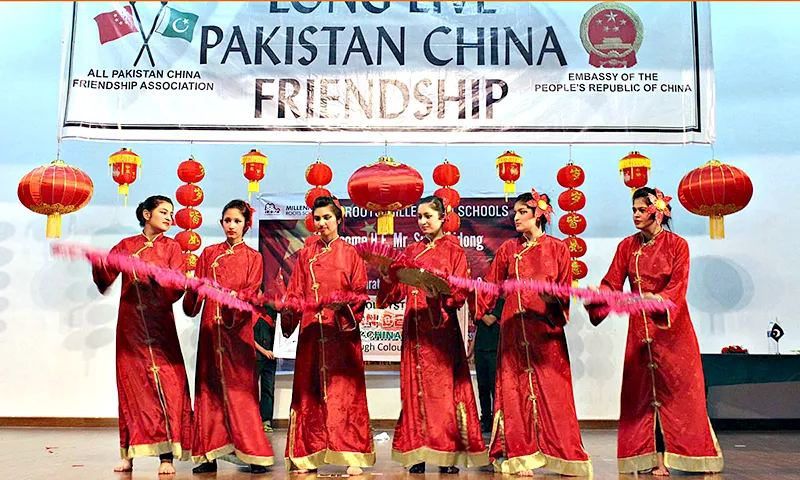
China and Pakistan’s long-standing partnership has moved far beyond diplomacy and infrastructure to embrace a deeper form of cultural diplomacy. Through art, education, and social engagement, both countries are building bridges of mutual understanding that reinforce their strategic and economic relationship. According to CGTN and The News, initiatives such as cultural festivals, exchange programs, and joint art exhibitions are helping citizens from both nations discover shared values of community, creativity, and development. This soft dimension of cooperation has become an essential component of the China–Pakistan friendship in the modern era.
Expanding Cultural Exchange Programs
The foundation of China–Pakistan cultural diplomacy lies in sustained exchange programs between artists, students, and professionals. The Pakistan–China Cultural Corridor Initiative, launched in 2023, aims to promote creative collaboration through government and private partnerships. SCMP reports that cultural delegations now visit each other’s countries regularly, participating in exhibitions, workshops, and theater festivals. Programs under this initiative include youth art residencies, photography exhibitions, and heritage restoration projects supported by the Chinese Ministry of Culture and Pakistan’s National Council of the Arts. These exchanges foster long-term dialogue and mutual appreciation beyond political frameworks.
Art, Heritage, and Historical Collaboration
Art and heritage restoration have become powerful mediums of diplomacy. Chinese cultural experts are working alongside Pakistani historians to restore ancient Buddhist and Gandhara sites in Taxila and Swat. Xinhua highlights that these collaborations combine China’s technological expertise in archaeological conservation with Pakistan’s deep cultural heritage. Joint museums and digital archives are being developed to preserve historical artifacts and promote tourism. The restoration projects not only protect shared cultural heritage but also symbolize how history can unite nations through mutual respect and cooperation.
Festivals and Cultural Events
Cultural festivals are at the heart of people-to-people diplomacy. The annual China–Pakistan Friendship Festival alternates between Beijing and Islamabad, featuring folk music, art exhibitions, and food showcases that celebrate both traditions. Dawn reports that the 2025 festival attracted over 20,000 visitors, highlighting growing public interest in cultural exchange. Events such as the Silk Road Cultural Gala and Gwadar Film Week bring together performers, musicians, and filmmakers from across Asia, turning cultural celebration into a tool of regional diplomacy. These events project both nations as ambassadors of peace and multicultural understanding.
Language and Communication as Bridges
Language learning continues to play a vital role in deepening cultural understanding. Confucius Institutes in major Pakistani universities have become centers for language education and cross-cultural training. At the same time, Urdu language courses are now being introduced in select Chinese universities, helping Chinese students engage with South Asian culture. CGTN reports that thousands of Pakistani students fluent in Mandarin are now working as translators, business liaisons, and cultural mediators in Chinese companies. This growing bilingual community is facilitating business, education, and media exchanges while strengthening interpersonal trust.
Cultural Centers and Creative Infrastructure
The establishment of cultural centers has institutionalized China–Pakistan cooperation in the arts. The China–Pakistan Cultural Center in Islamabad hosts exhibitions, performances, and design workshops that promote creative industries. The Gwadar Cultural Complex, jointly funded by both governments, integrates art galleries with digital learning labs for young artists. These centers provide platforms for cultural innovation while promoting employment in creative sectors. Reuters reports that joint investment in these facilities reflects a strategic recognition that cultural engagement supports economic diversification and community development.
Education and Youth Engagement
Youth remain central to the success of cultural diplomacy. Exchange programs between Chinese and Pakistani universities encourage students to collaborate on social innovation and creative entrepreneurship projects. The Belt and Road Youth Forum, hosted annually in Beijing, invites young delegates from Pakistan to discuss technology, media, and climate awareness. The Diplomat notes that cultural education, combined with technology and sustainability training, is creating a new generation of globally aware citizens. These youth exchanges transform bilateral friendship into a dynamic partnership rooted in shared progress.
Tourism and Cultural Connectivity
Tourism plays an expanding role in promoting mutual understanding. The China–Pakistan Tourism Year initiative has launched campaigns to promote travel between the two countries. Pakistan’s mountain landscapes and cultural heritage sites are being marketed in Chinese cities, while destinations such as Xi’an and Hangzhou are gaining popularity among Pakistani travelers. Xinhua reports that direct charter flights and simplified visa policies are being introduced to facilitate tourism. These efforts turn cultural curiosity into economic opportunity, linking hospitality and diplomacy under one framework.
Conclusion
Cultural diplomacy between China and Pakistan is proving to be one of the most effective channels for fostering regional understanding. Through arts, language, and education, both nations are building enduring bridges that go beyond politics and economics. This partnership demonstrates that cultural collaboration can serve as a foundation for sustainable development and peaceful coexistence. As shared projects in heritage, creative industries, and youth engagement continue to grow, China and Pakistan are shaping a model of cultural diplomacy that reflects mutual respect, trust, and a shared vision for the future.

