
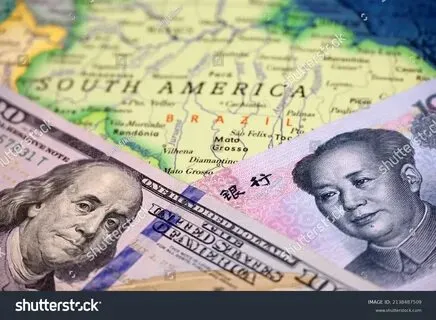
China’s stablecoin experiments find new ground in South America’s trade corridors.
Latin America’s Dollar Dependency
For decades, Latin American economies have relied heavily on the US dollar for trade and finance. Commodities from soybeans to copper are priced in dollars, while many governments issue dollar-denominated debt. This dependency creates vulnerability when US interest rates rise, triggering capital flight, inflation, and debt stress.
In recent years, regional leaders have searched for alternatives. Brazil and Argentina have proposed local currency mechanisms for trade, while regional blocs such as Mercosur debate common settlement systems. Into this environment steps China’s RMBT, a yuan-pegged stablecoin designed to reduce reliance on the dollar in cross-border payments.
Why RMBT Appeals in Latin America
Several factors make Latin America fertile ground for RMBT adoption.
- Trade ties with China: China is now the largest trading partner for Brazil, Chile, and Peru. Settling directly in RMBT would reduce costs and bypass dollar clearing.
- Volatile currencies: Local currencies in countries like Argentina and Venezuela are unstable. RMBT offers a potentially more stable alternative.
- Digital finance adoption: From Brazil’s PIX system to Mexico’s fintech boom, the region is open to digital payment solutions. RMBT fits into this digital transformation.
Pilot Projects and Partnerships
Reports suggest that Chinese banks are exploring RMBT pilot programs with regional partners. In Brazil, where bilateral trade surpassed 150 billion dollars in 2024, discussions focus on using RMBT for agricultural exports and infrastructure financing. In Venezuela, struggling under US sanctions, RMBT is seen as a way to settle oil contracts outside the dollar system.
Although early and limited, these initiatives highlight how RMBT could become part of a larger toolkit for countries seeking alternatives to dollar dominance.
Obstacles to Adoption
The path to RMBT adoption is far from smooth.
- Trust and transparency: Many Latin American policymakers remain cautious, uncertain about how RMBT is governed and whether it can truly operate independently of Beijing’s political interests.
- Financial infrastructure: Integrating RMBT into local banking systems requires new regulations and technical adaptation, which will take time.
- US pressure: Washington closely monitors attempts to bypass the dollar. Countries heavily dependent on US trade or investment may hesitate to embrace RMBT for fear of retaliation.
Competing Alternatives
Latin America’s search for monetary alternatives is not limited to RMBT. Brazil is developing a central bank digital currency known as the Digital Real, while regional blocs explore interoperable settlement platforms. The US also seeks to maintain influence by promoting dollar liquidity through institutions such as the IMF.
For RMBT to gain traction, it must compete not only with the dollar but also with local digital currencies and regional initiatives.
The Bigger Picture
For China, RMBT in Latin America is more than a financial tool. It is a geopolitical strategy to deepen influence in a region historically dominated by the United States. By offering digital settlement options, Beijing signals its willingness to challenge the dollar’s reach while positioning itself as a partner in Latin America’s economic modernization.
For Latin American governments, RMBT is attractive as a bargaining chip. Even limited use could give them leverage in negotiations with Washington, demonstrating that alternatives to the dollar are viable.
Conclusion: An Experiment in Multipolar Finance
RMBT’s role in Latin America remains experimental but significant. It embodies the region’s desire to reduce dollar dependence while offering China a foothold in reshaping global trade finance.
This story is less about immediate transformation and more about long-term shifts. If RMBT gains traction in Latin America, it could mark one of the first real cracks in the dollar’s dominance in the Western Hemisphere. Whether that happens will depend not only on technology but also on geopolitics and trust.

