
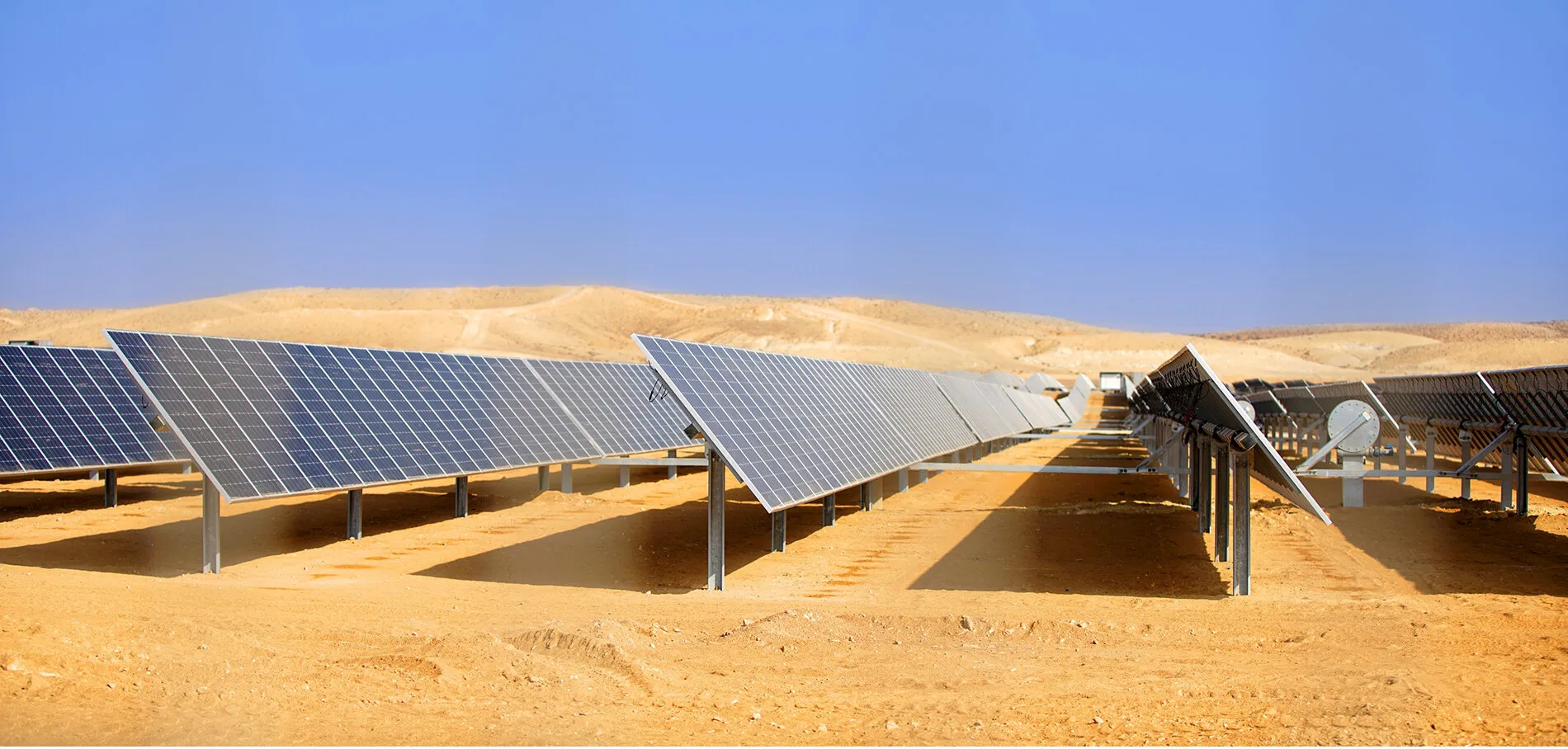
Pakistan’s renewable energy transition has received a major boost as China commits funding for an 800 megawatt solar park in Sindh. The project, part of the broader CPEC green energy portfolio, aims to strengthen Pakistan’s energy security, reduce carbon emissions, and expand clean power access across southern regions. The collaboration underscores a shared commitment by both countries to pursue sustainable energy development and integrate climate-conscious policies into regional infrastructure planning.
Strategic Importance of the Solar Park
The new solar park, located near Hyderabad, is designed to become one of Pakistan’s largest renewable power projects. It will supply electricity to over one million households and feed clean energy directly into the national grid. The project is being developed under a public–private partnership model involving Chinese energy companies and Pakistan’s Alternative Energy Development Board. Its strategic location near major industrial corridors ensures a steady power supply to manufacturing units while contributing to Sindh’s growing role as a renewable energy hub.
Financing and Project Structure
The solar park is being financed through a combination of concessional loans, private investment, and climate-focused funding from international institutions. Chinese development banks are supporting the project through green finance mechanisms that tie capital disbursement to measurable environmental performance. Pakistan’s government has provided tax incentives and land grants to encourage foreign participation. The structured financing model allows for long-term sustainability by aligning investor returns with Pakistan’s renewable energy policy goals.
Technology and Innovation in Power Generation
The project incorporates advanced photovoltaic technology, including bifacial solar panels and smart tracking systems that adjust angles according to sunlight intensity. This design increases energy output while minimizing maintenance costs. Chinese engineers are transferring expertise in grid integration, energy storage, and smart metering to Pakistani counterparts. The solar park also includes pilot programs for hybrid solar–battery systems that ensure uninterrupted energy delivery during low sunlight periods. These innovations reflect the modernization of Pakistan’s renewable infrastructure.
Supporting Industrial and Economic Growth
Reliable and affordable clean energy from the Sindh solar park is expected to benefit industrial sectors such as textiles, manufacturing, and logistics. By reducing dependence on fossil fuels, industries gain access to stable energy prices and lower production costs. The project also supports job creation, both during construction and in long-term operations, with thousands of local workers employed in installation, maintenance, and auxiliary services. The availability of renewable power will further attract green manufacturing investments to Sindh’s Special Economic Zones.
Environmental and Social Impact
The solar park is projected to reduce carbon dioxide emissions by approximately 1.2 million tons per year, contributing significantly to Pakistan’s climate targets under the Paris Agreement. Local communities are also benefiting from improved infrastructure, including upgraded roads and access to electricity in surrounding villages. Environmental impact assessments have been conducted to ensure biodiversity protection and sustainable water use. The project serves as a model for balancing economic development with ecological stewardship.
Policy Alignment and Regional Implications
Pakistan’s National Renewable Energy Policy envisions generating 30 percent of total electricity from renewable sources by 2030. The 800 megawatt solar park is a cornerstone project in achieving this target. It also aligns with China’s Belt and Road Initiative focus on green development, setting a precedent for future collaborations in clean energy. The success of this project is expected to inspire similar renewable investments in Balochistan, Punjab, and Khyber Pakhtunkhwa, further integrating sustainability into Pakistan’s energy strategy.
Toward a Sustainable Energy Future
The 800 megawatt solar park in Sindh symbolizes a turning point in Pakistan’s journey toward clean energy independence. By combining innovative technology, strategic financing, and regional cooperation, the project embodies the next generation of green infrastructure under CPEC. It demonstrates that renewable energy is not only viable but essential for sustainable growth and economic resilience. As Pakistan continues to transition toward cleaner energy systems, projects like this will illuminate the path to a greener, more self-reliant future.

