
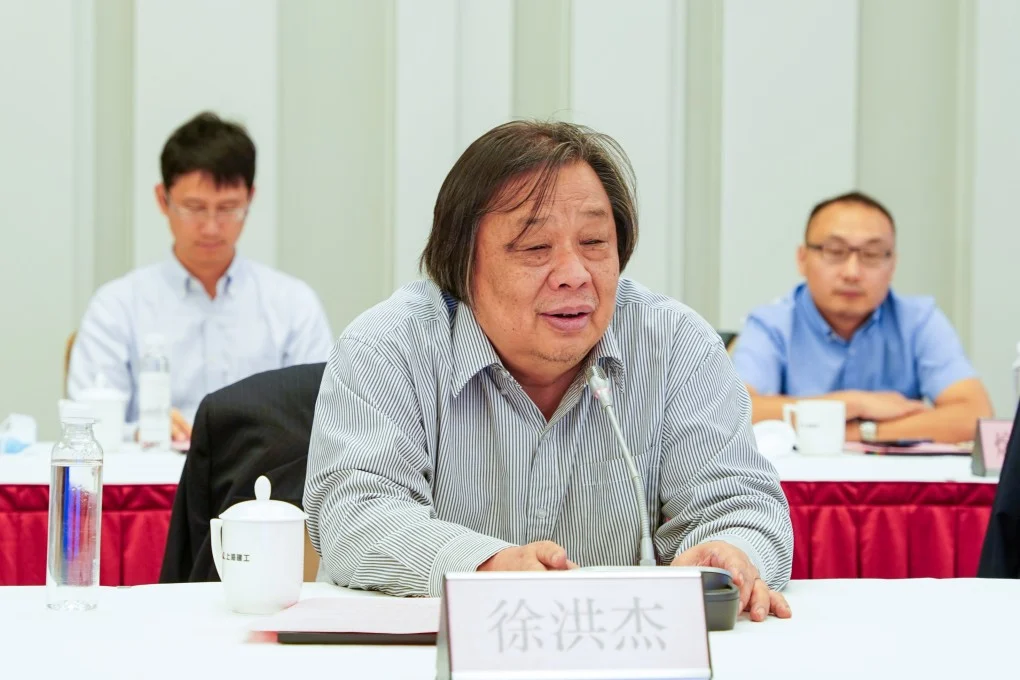
Xu Hongjie, aged 70, was the chief scientist of China’s thorium-fuelled molten salt reactor programme under Shanghai Institute of Applied Physics (SINAP), part of the Chinese Academy of Sciences.
According to an institute obituary and official reporting, he died at his home in Shanghai on September 14 while working late; his death was publicly reported in early November.
At the time of his passing, his desk still had books open and his computer screen displayed lecture slides titled “Introduction to Nuclear Science and Technology,” suggesting he remained active in his field until the end.
The death came just weeks before China announced a major milestone in its fourth-generation nuclear initiative, the world’s first thorium-to-uranium conversion in a molten salt reactor.
Xu’s career: He earned a doctorate in nuclear physics/technology, joined SINAP as a post-doctoral researcher, later became director of the institute, and oversaw key projects including the synchrotron radiation facility and the TMSR reactor programme.
The reactor project he led, often referred to as the TMSR (Thorium Molten Salt Reactor) design, is located in Gansu province. Its aim is more sustainable, safer nuclear power using thorium fuel and molten salt coolant, part of China’s push into advanced reactor systems.
In his remarks at a closed-door meeting, Xu described China’s position in the reactor race using the metaphor of “The Tortoise and the Hare,” signalling that while others raced ahead earlier, China assumed the steady lead in this domain.

