
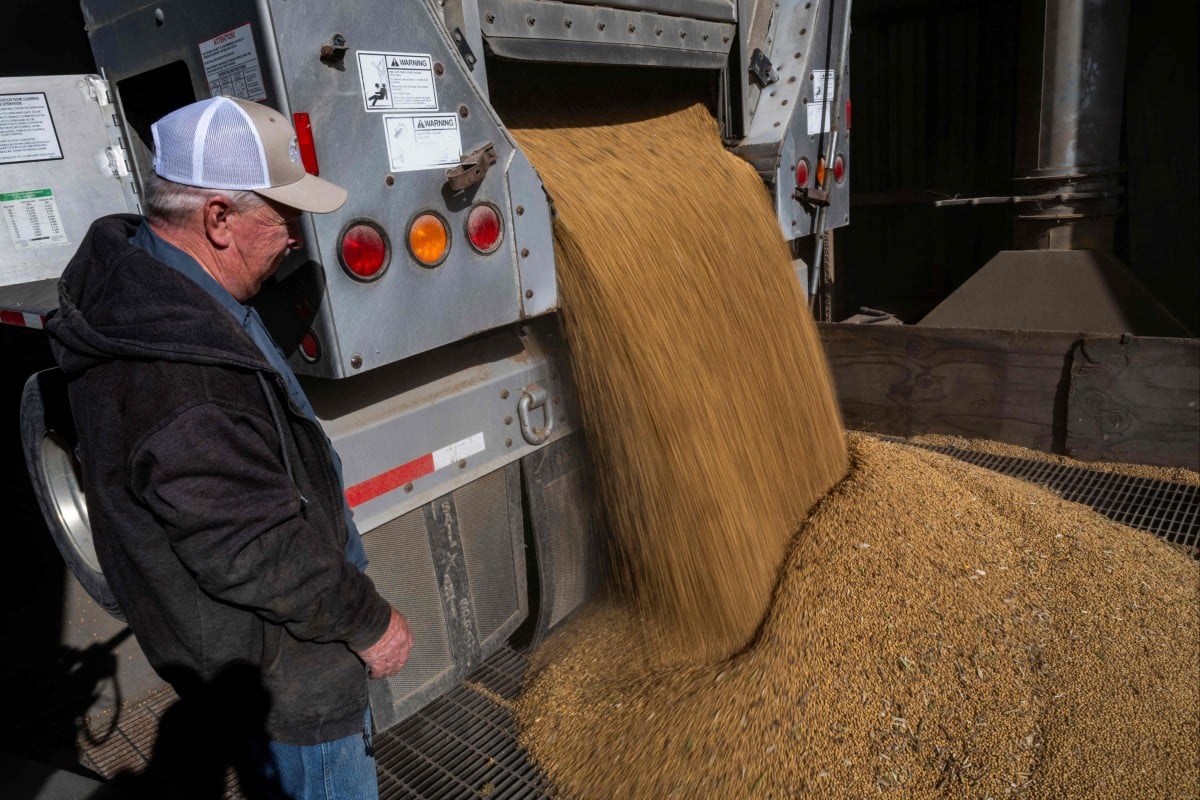
China has indicated a renewed interest in buying U.S. soybeans, but with a clear condition: American crops must be competitively priced, high in quality, and reliably supplied. During a speech at the import expo in Shanghai, a senior Chinese commerce official explained that the country’s substantial need for soybeans opens the door for “many deals or signed intentions” with U.S. exporters if those terms are met.
The backdrop to this development is an agreement between the two nations that lightly eased recent trade tensions. Yet China made it evident that its return to U.S. soybean purchases will hinge on market fundamentals. The statement marked a shift from knee-jerk reactions to tariffs toward a more conditional approach, signalling a willingness to resume engagement provided U.S. suppliers meet China’s stringent criteria.
American farmers view the announcement as cautiously optimistic. The commerce official’s remarks moved the needle because they laid out tentative willingness rather than a binding commitment. Farmers and trade groups welcomed the potential upside, but they also emphasised that past agreements had fallen short in implementation. The lingering worry is that once again, commitments may not translate into consistent purchases or secure market access.
From China’s perspective, the calculus is straightforward. The country remains the world’s largest soybean importer, and diversified sourcing has brought Brazil and Argentina to the forefront as major suppliers. But Chinese imports from the U.S. slumped amid tariff escalations. By signalling selective openness, Beijing is offering a conditional reset that allows it to maintain leverage in ongoing trade dialogue while securing supply chains for food and feed.
For U.S. agriculture, the stakes are high. A return of Chinese demand could bolster soybean prices, provide relief to farmers facing squeezed margins from rising input costs, and restore part of the export market that had drifted away during the trade dispute. The key will be whether shipments follow the rhetoric, especially in the current crop year, when U.S. farmers are racing to position themselves for export contracts.
Despite the positive tone, several uncertainties remain. The pricing condition is more than symbolic: it reflects the fact that U.S. soybeans must compete not only with South American origins but also meet China’s evolving quality, logistics, and certification requirements. Moreover, the agreement needs a transparent mechanism to translate intention into delivery. Chinese companies will be monitoring not just cost but also the reliability of supply and the responsiveness of their U.S. partners.
In short, the statement by the Chinese official gives farmers a reason to hope but not certainty. It suggests that China is prepared to resume large-scale purchases of U.S. soybeans, provided the terms align with market realities and policy expectations. The outcome could be a turning point for the soybean trade and for U.S. producers who have waited through years of trade turbulence. Yet the real test will come when deals turn into shipments and when market access becomes durable rather than episodic.

